Ani Almario: Raising a New Generation of Readers
She shows how love of reading starts at home and in school.
Published on Dec 5, 2025
This year, Smart Parenting Awards introduced its newest category: Smart Parenting Gamechangers.
Smart Parenting Gamechangers honors educators, experts, and advocates who uplift Filipino families and children with authenticity, passion, and purpose. Each awardee is a standout in their field, shaping the lives of parents and children through meaningful work and a commitment to our values. This recognition celebrates their work and the impact they create every day.
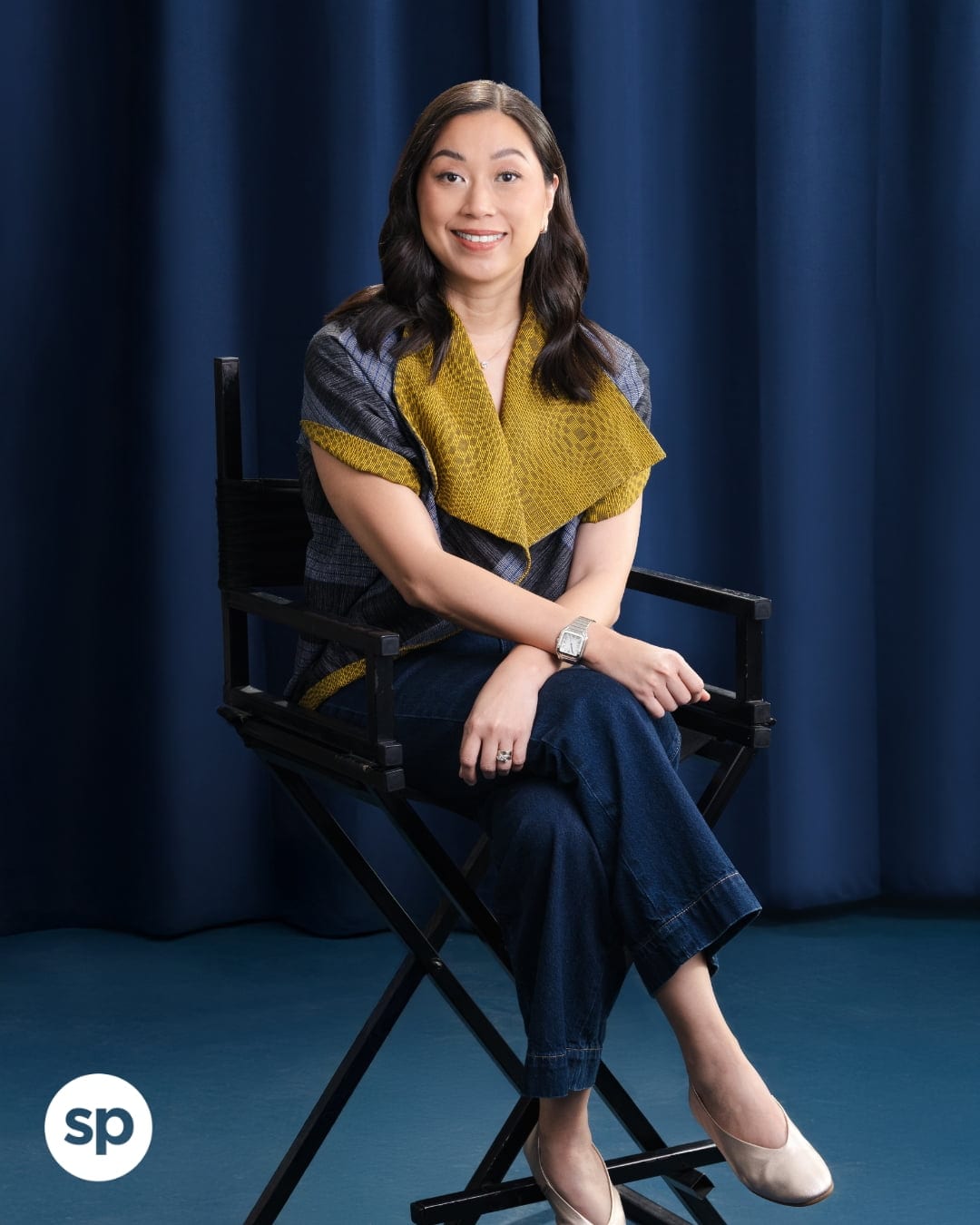
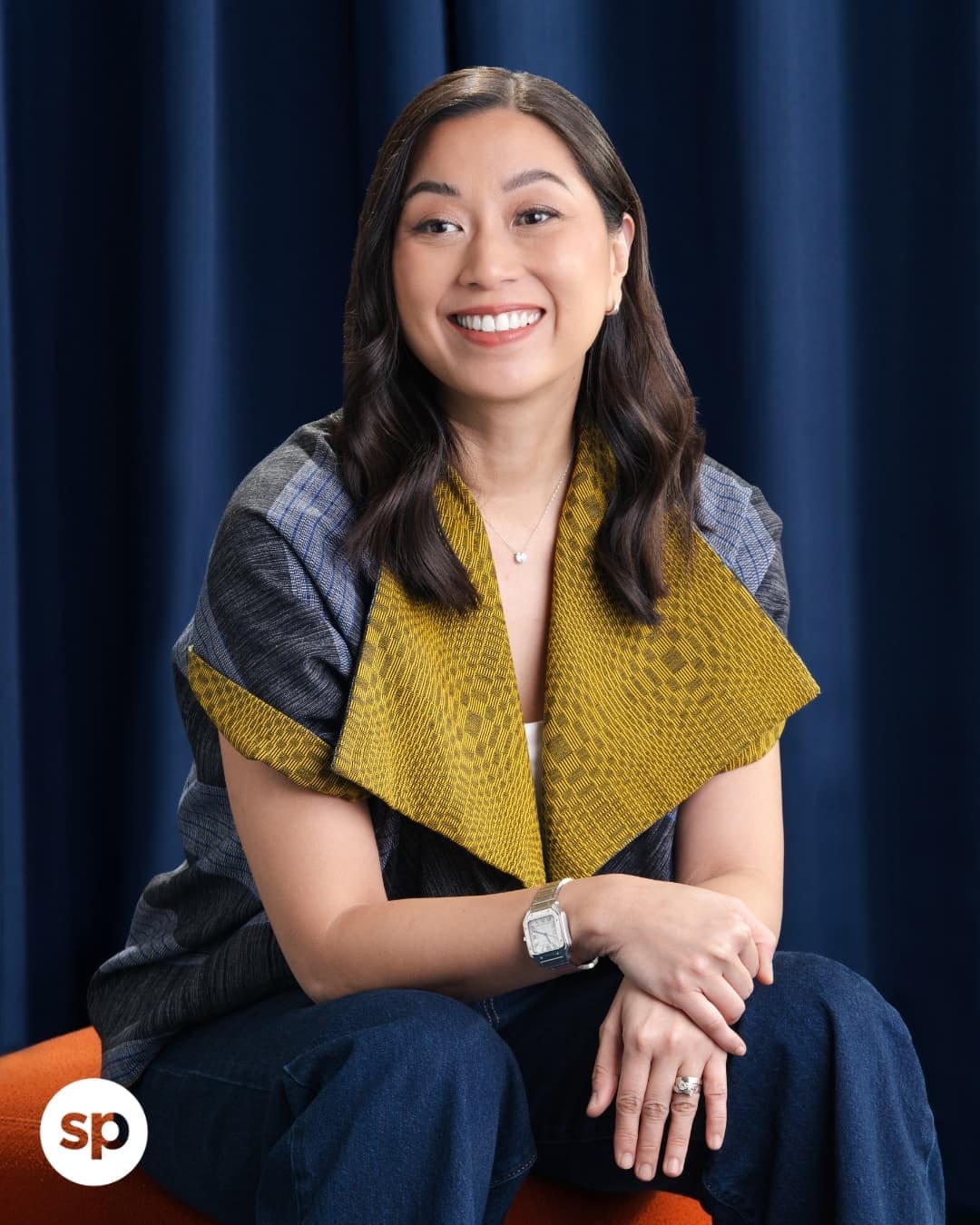
Ani Almario, Smart Parenting Gamechanger Awardee for Literacy
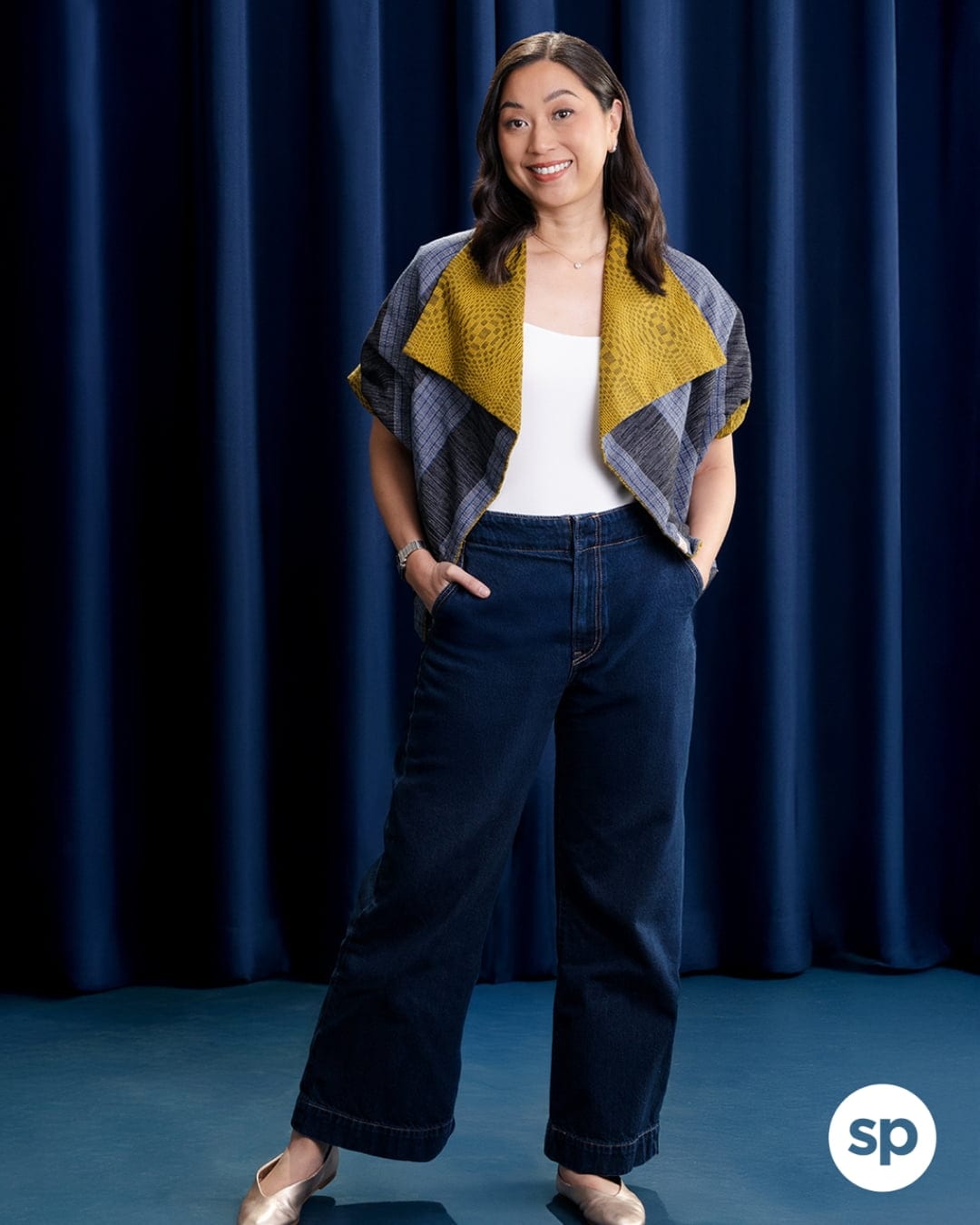
Ani Almario is the founding director of The Raya School, a progressive school committed to helping children discover their roots and understand the world around them. She is also the Vice President for Product Development at Adarna House, the country’s leading publisher of children’s books. She holds a Doctor’s Degree from the University of the Philippines and a Master’s Degree from Stanford University.
When asked about the beginnings of her advocacy, Ani always returns to her childhood. “Ang dami, dami, dami naming libro. I'm always surrounded by books. I was not censored with my literature choices. I could read Tatay’s and Nanay's books. I could read anything available in Tatay’s library. That really was a treasure trove for me growing up,” she told Smart Parenting.
Ani’s Tatay is, of course, National Artist for Literature and founder of Adarna House, Virgilio S. Almario. It is easy to say, “It runs in the blood,” but Ani has built her own path and defined her own advocacy.
Surprisingly, she found herself in the field of education. She did not start with a teaching background, but her conviction pushed her forward.
Smart Parenting (SP): What inspired you to found The Raya School?
Ani Almario (AA): The inspiration came 20 years ago when I was studying in the US. I was with a group of Filipinos in graduate school, and I realized only two of us were going home. Everyone else was staying in the US.
Naisip ko, baka dapat mas i-ituro natin sa mga bata yung love for the country.
Pag-uwi ko, ginulat ko yung mga magulang ko. “Gusto ko mag-tayo ng school,” sabi ko sa kanila. Even before that, I had been keeping a journal about the ideal school Filipino children should have. How classrooms should look, how the faculty should be, the philosophical underpinnings.
Pero sa totoo lang, it's such a strong value in our family to love our country. We're deeply patriotic, so it cannot be that I'm founding a school and patriotism isn't the core value.
SP: How do you foster patriotism among children, in both The Raya School and Adarna House?
AA: Sa Adarna, ang topics sa mga libro namin lagi namang Pilipinas. We publish books about Filipino culture, history, and values. We want our books to mirror the typical Filipino child's experience.
Sa Raya naman, naniniwala kami na teaching love of country has to start on day one, at the earliest time possible. We surround our children with Filipino artifacts. We tell them Filipino stories. We sing Filipino songs. We bring prominent Filipinos to inspire them. They learn to read in Filipino. We always make them feel and understand that speaking Filipino matters, to use it to express their feelings and their thoughts.
Laging may pagpapahalaga hindi lang sa wika, kundi pati sa kultura at kasaysayan natin. That's how we try to foster love of country. And we bring kids outside to the community, because 'yun ang dapat mong mahalin talaga, ang kapwa mo Filipino. We teach them to help and meet marginalized members of the community. If they do that on their own without our help, then we’ve done our job.
SP: How important is it for children to learn and speak Filipino now that English is so dominant?
AA: I cannot stress how important it is. Our language is the repository of our soul, culture, and history. It is who we are. If we lose it, we lose a big piece of our identity.
I remind parents that Filipino will not come naturally to the kids if you're all speaking English in your home, and everybody around them speaks English. There really has to be an effort. Sometimes one parent commits to always speaking Filipino, tapos yung isa pwede mag-English. Meron kayong Filipino storytelling sa bahay o kaya may rules kayo about using the language. There are really different ways for them to learn the language and to love the language. Hindi ko ma-imagine na mahal mo yung bayan pero hindi mo ginagamit yung wika natin.
SP: What was it like to be raised by a father who is a National Artist?
AA: Si Tatay, very strict. Very strict sa academics namin, actually. Kailangan nagpu-push kami ng sarili namin to be the best in class.
Aside from that, I think ang swerte ko kasi sinasama niya kami kahit saan, kahit feeling ko minsan hindi appropriate for children. Sinasama niya kami sa poetry readings, sa plays. Marami akong plays na napanood. Sa cultural performances, sa ballet. Added bonus pa, ang dami, dami, dami naming libro.
SP: How did you end up working in Adarna House?
AA: I was working in consultancy and was pretty miserable. I thought I would follow in my mom's footsteps, who was in business consultancy for the longest time.
But Tatay brought me to the Bologna Book Fair in Italy. It’s the biggest children's book fair. You get lost in the magic of illustrations and books from around the world.
That's when I told him, “May I join the family business?” We were never forced to join Adarna. But being in Bologna, surrounded by children's books, I realized I wanted to enter that world.
Now my time is really divided between Adarna and Raya, and I also work with several organizations. Basta yung common lang talaga, I always involve myself in something that is for literature, for pushing literacy, and for advancing the welfare of Filipino children.
Ang forever hope ko is that Filipino children grow up to be real lovers of the country. That they love it so much they want to help their fellow Filipinos, work in the country, and work for the country.
SP: What were the challenges you faced in building Raya and working in Adarna? How did you overcome them?
AA: Naku, ang daming challenges. I think na-spare ako from the birthing pains sa Adarna dahil hindi naman ako yung nagsimula noon. Pero ang dami ko pa ding hamon na hinarap sa Adarna dahil gusto ko talaga excellent yung children's books. Parang feeling ko ang baba ng quality standards natin, so we had to do a lot of retooling.
Pero yung talagang dinaanan ko, everything, lahat ng hirap from day one, is of course, sa Raya. Kasi kami ang nagsimula noon. The biggest challenge was getting people to believe in us. I had no background in running a school, and we had to earn their trust. We still interview every family who enrolls. We like keeping the community small because we want to know them, so that we can cater to the children's needs better. This way, they never lose that trust in us.
SP: What are your hopes for the future of children’s education and literature in the Philippines?
AA: Ang forever hope ko is that Filipino children grow up to be real lovers of the country. That they love it so much they want to help their fellow Filipinos, work in the country, and work for the country.
I hope they become lovers of democracy, that they voice their opinions, express displeasure when something is wrong, and have their voices heard.
Sana every generation ng Filipino children mas mulat sa mga pwede nilang gawin para sa bayan.
As for literature, sana mas marami pang Pinoy na nagbabasa ng Pinoy. Kasi marami sa atin mahilig magbasa, pero yung binabasa lang natin puro foreign authors. Ang dami-daming magagaling na local contemporary authors. I hope people will take a chance, go out of their comfort zone, and pick up a piece of Filipino fiction or a poetry collection.
SP: For you, what is smart parenting?
AA: Smart parenting for me is listening to your child and being attuned to your child's individual needs, abilities, and interests. Listening so well na kahit yung hindi niya nasabi or sinasabi, naririnig mo. And I think that takes a lot of time, and it takes a lot of humility on the part of the parent. I think that's smart parenting.
Produced by the Smart Parenting Team
Editor-in-Chief: Ronna Capili Bonifacio
Asst. Managing Editor/Co-Producer: Em Cruz
Interview by Hanna Panoringan
Art Director: Mariella Lao
Videographer and video editor: Rolando Pingco Jr.
Associate Publisher: Bettina Santos
Photographs by Paola Aseron
Hair and Makeup by Team Muriel Vega Perez
Homeschooling mom to a talkative little girl. Pyschometrician by profession. Loves K-Drama, coffee and pasta. In-house chef.