Help Your Child Understand Money and Saving with These Practical Tips
These are some lessons your child doesn’t normally learn in school.

Published on Mar 16, 2026
Teaching children how to manage money is one of the most practical life skills parents can pass on. Money habits form early, which means small lessons at home can shape how kids handle finances later in life.
For Filipino financial educator Jax Reyes, building these habits should start as early as childhood. Reyes is also a co-founder of KasKasan Buddies, a Facebook community known for sharing tips on responsible spending, credit cards, and financial literacy.
“Dapat sinisimulan natin siya habang bata pa lang,” he says. “Bata pa lang, natututo na siya [kung] paano mag-ipon at paano hindi gumastos beyond the budget.”
Early exposure to these ideas helps children grow into adults who are more confident with money. The goal is to introduce simple tools and routines that make saving and budgeting feel natural.
.jpg)
Free Budget Trackers to Organize Your Finances and Reach Your Goals
Take control of your money with free, easy-to-use budget trackers.
READ HEREStart with tools kids can see
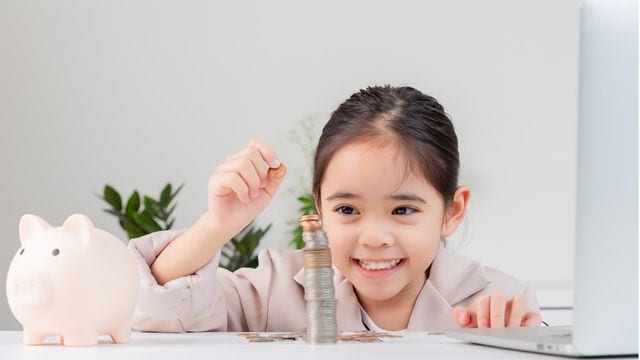
For younger children, the best financial tools are often the simplest ones. A piggy bank or alkansya remains one of the most effective ways to introduce the idea of saving. When children physically drop coins into a container, they see and hear their savings grow. This tangible experience makes the concept of saving easier to understand. “Importanteng nakikita [nila] na lumalaki,” Reyes explains.
Parents can make this activity more engaging by setting simple goals. For example, a child might save toward a toy, a book, or a small treat. Watching the piggy bank slowly fill up teaches patience and reinforces the idea that saving leads to rewards.
When the piggy bank is full, parents can open it together with their child and count the money. This moment becomes an opportunity to celebrate the effort while also teaching basic math, money awareness, and the idea that every peso comes from hard work. It also opens a simple conversation about wants and needs.
Move gradually toward bank accounts
Once children grow older and understand basic numbers, parents can introduce the next step: saving money in a bank.
A kiddie savings account is often a good starting point. Many banks offer accounts designed specifically for children, with lower minimum deposits and tools that help families track savings progress. Parents can involve their child in the process by explaining why people keep money in banks. Visiting a branch together also helps make the experience more concrete.
Teach Your Child to Save: 12 Kiddie Savings Accounts to Consider
Let's talk fertility—what to know and how to take charge!
READ HEREAs kids get more comfortable with money, banking apps can help them learn. They can see their balance and any interest earned, which shows how savings grow over time. Pointing out the increase helps them understand money growth.
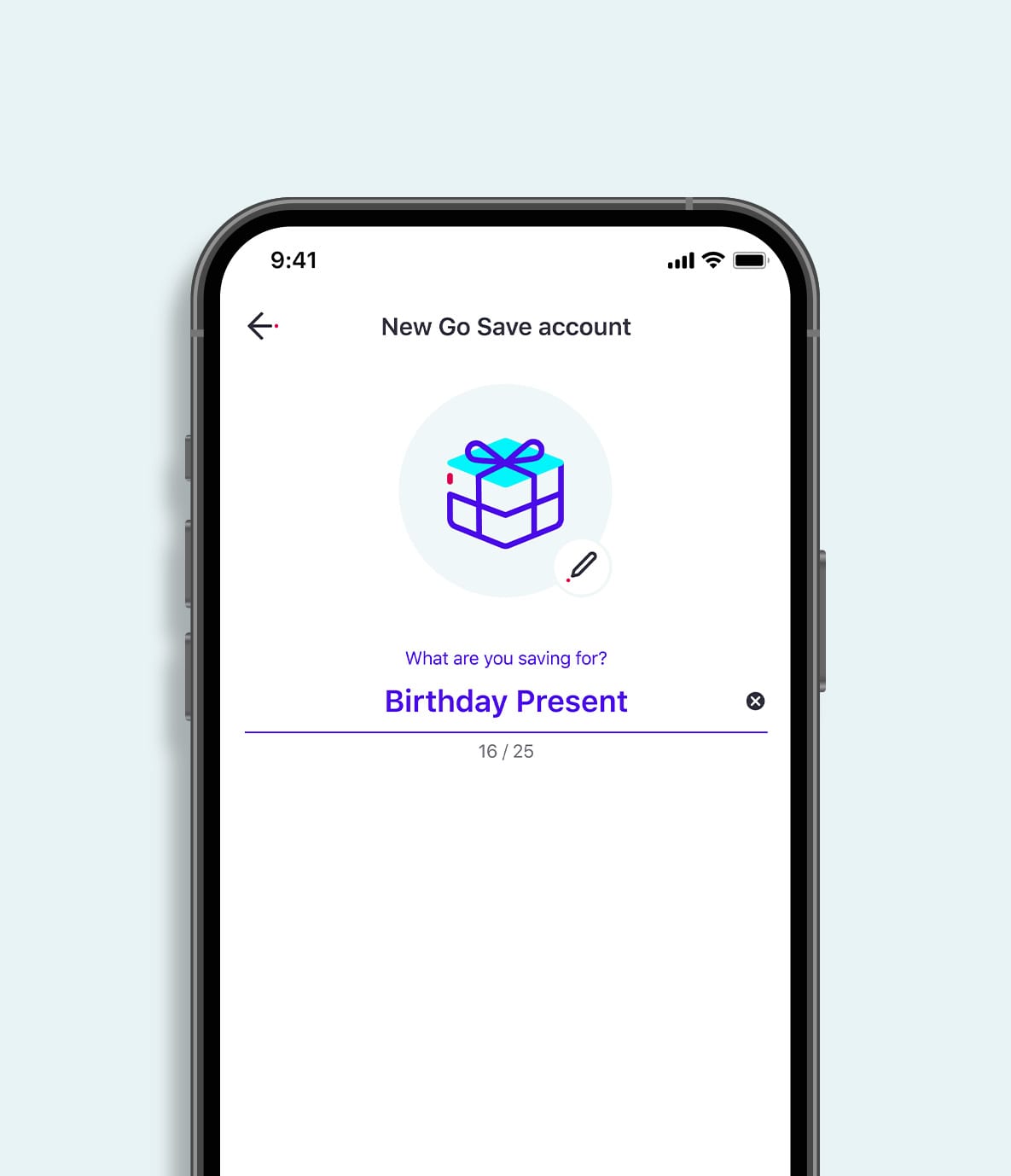
If the banking app allows it, parents can also help children create small savings goals inside the account. Some apps like GoTyme allow users to label funds for specific purposes. Watching progress toward these goals can keep kids motivated to save.
Reyes recommends moving through these steps gradually. Start with the piggy bank, review the savings together, then introduce bank accounts or digital tools once children are ready. “If you want to do this, you have to commit,” he adds.
Encourage saving with small incentives
Children often respond well to encouragement, and parents can use this to strengthen saving habits.
One method Reyes suggests is matching a portion of a child’s savings. If a child manages to save P100, a parent might add P50. Some families even promise to double the savings once the child reaches a certain goal.
These small incentives help reinforce the habit of saving and show children that money can grow when it is managed well. Over time, this also introduces the basic idea behind interest and investment. Kids begin to understand that money does not simply sit still. It can increase when handled responsibly.
Introduce a simple budgeting system
Saving is important, but children also need to learn how to divide their money wisely. Reyes recommends a beginner-friendly budgeting system known as the envelope method.
Parents can prepare three envelopes labeled for different purposes.
Savings envelope: 20%
Needs envelope: 50%
Wants or fun envelope: 30%
If a child receives P100 from allowance or a gift, P20 goes into savings, P50 goes toward needs, and P30 becomes spending money for small treats. This system helps children visualize where their money goes. They begin to understand that money must be allocated carefully and that spending decisions have limits.
Talk about the value behind every peso
“Teach them how hard kinikita 'yung bawat piso,” Reyes says.
When kids realize that money comes from work and time, they tend to become more thoughtful about spending it. Parents can share simple explanations about their jobs, discuss grocery budgets, or talk about how family expenses are managed. These everyday conversations help children connect money with responsibility.
At the same time, Reyes says money should not only be discussed during difficult financial moments. “Hindi lang dapat kung kelan may problema,” he explains. “Pag-uusapan din siya in the good times as well.”
Of course, if parents themselves haven’t had much financial education, it’s easy to pass on money mistakes to their children without realizing it. That’s why it helps to learn from others’ experiences. Joining trusted communities, reading books, or exploring other reliable resources can give parents practical tips and strategies for teaching kids about money. By learning from real-life examples, parents can guide their children more confidently and avoid repeating the same mistakes.
With guidance and the right resources, children can develop healthy money habits early on.
Hanna is a News Desk Writer at Smart Parenting, covering parenting, health, culture, and more. Off the clock, she’s likely people-watching at a café or park, matcha latte in hand.