Vaping Among Filipino Teens Is Rising: Why Parents Need to Pay Attention
Understanding teen vaping starts by being informed.

Published on Oct 18, 2025
More Filipino teens are getting into vaping, and it’s happening faster than many adults realize. Data from the Food and Nutrition Research Institute (FNRI) reveals that 4.8 percent of kids aged 10 to 19 were smoking in 2023, up from 2.3 percent in 2021. Among 18- to 19-year-olds, the rate is almost 14 percent.
What’s even more alarming is the surge in vaping among teen smokers—from 7.5 percent to nearly 40 percent in just two years.
In a previous radio interview, Health Secretary Teodoro Herbosa said one major reason is how easy it is to buy these products today.
“Kapag nakita mo naman ang advertisements, may fruit flavor and ang pinapalabas nila it is cool kapag ikaw ay nag-va-vape,” added Herbosa.
From January to May 2025, the Department of Trade and Industry seized ₱41 million worth of illegal vapes, but that barely made a dent in what continues to be sold in physical stores and online. Many of these products do not carry health warnings, do not follow age restrictions, and are priced low enough for teens to afford.
Why Vaping Is Dangerous for Kids
A lot of teens believe vaping is “not as bad” as smoking. Some parents think the same, especially when ads and packaging make vapes look cleaner or milder. But doctors warn that the risks are real, especially for children and teens whose bodies and brains are still developing.
Both vaping and smoking contain nicotine, a highly addictive substance that affects mood, attention, impulse control, and learning. Even kids who don’t vape can still be affected by secondhand and thirdhand exposure at home, in school, or in enclosed public spaces.
Dr. Karen M. Olondriz, a pediatrician and pulmonologist who treats children with respiratory issues, explained what is found in vape aerosol.
“Nicotine and other polycyclic aromatic hydrocarbons have been found in these aerosols, together with other fine and ultrafine particles such as metal and silicates. In addition, the flavoring chemicals can also act as respiratory irritants in sufficient concentrations,” she said.
She also challenged the idea that vaping should be compared to cigarette smoke.
“Are these vapors safer than second-hand smoke? I think the better question is, ‘Are these vapors better than inhaling clean air?’ If we are considering the potential health effects for children who do not use these e-cigarettes, the comparison should always be with clean air, not cigarette use. Given the presence of harmful chemicals in these vapors, the guiding principle is that these are not safe for exposed children.”
Doctor Warns Parents Who Vape at Home, ‘These Are Not Safe for Exposed Children’
Quitting the habit will not only benefit the kids, a doctor says.
READ HEREWhat Parents Should Look Out For If Their Child Secretly Vapes
With low pricing and minimal regulation, vaping products are becoming more accessible to younger consumers. Many parents don’t realize how early experimentation starts or how discreet the devices can be. Vapes are small, easy to conceal, and often designed to resemble USBs, highlighters, or pens. Teens may also use flavored products that don’t smell like cigarettes, making them harder to detect.
Some possible signs to watch for:
Sweet, fruity, or candy-like scents on clothes or in bags
Unexplained USBs, pods, cartridges, or small disposable devices
More frequent coughing or throat clearing
Dry mouth, nosebleeds, or complaints of headaches
Sudden mood changes, irritability, or restlessness
Pulling away from family routines or hiding phone activity
Spending more time in bathrooms or isolated areas
Packages or online deliveries that arrive without explanation
.jpg)
Talking to Teens About Vaping
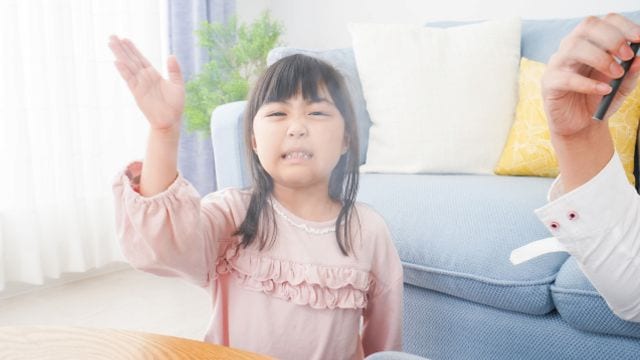
Talking to your child about vaping starts with creating a safe, open space for conversation. Pick a calm moment and ask what they know or if they’ve seen others vaping. Listen without judging to build trust and keep communication open.
Then, explain the health risks in a way they can understand, like how vaping can harm the lungs and brain. Be honest and clear without using scare tactics. Let them know you’re there to support them and that they can always come to you with questions.
Click here to find out how to improve lung health.
Hanna is a News Desk Writer at Smart Parenting, covering parenting, health, culture, and more. Off the clock, she’s likely people-watching at a café or park, matcha latte in hand.
Read more stories about