Why Are We Ignoring Oracy? The Missing Link in Teaching English to Kids
English proficiency starts with speaking, but many Filipino learners are taught grammar and reading first.

Published on Apr 30, 2026
When children learn language, they begin by listening. Then they speak. Reading and writing come later.
It sounds simple, but in many classrooms, especially in English instruction, this natural order is often reversed.
Kids are expected to read texts, identify grammar rules, and answer comprehension exercises before they have built enough confidence in speaking and understanding the language out loud. Experts call this missing foundation oracy, or the ability to express oneself fluently through speaking and listening.
And according to education experts, the lack of attention to oracy may be one of the biggest reasons many Filipino students continue to struggle with English.
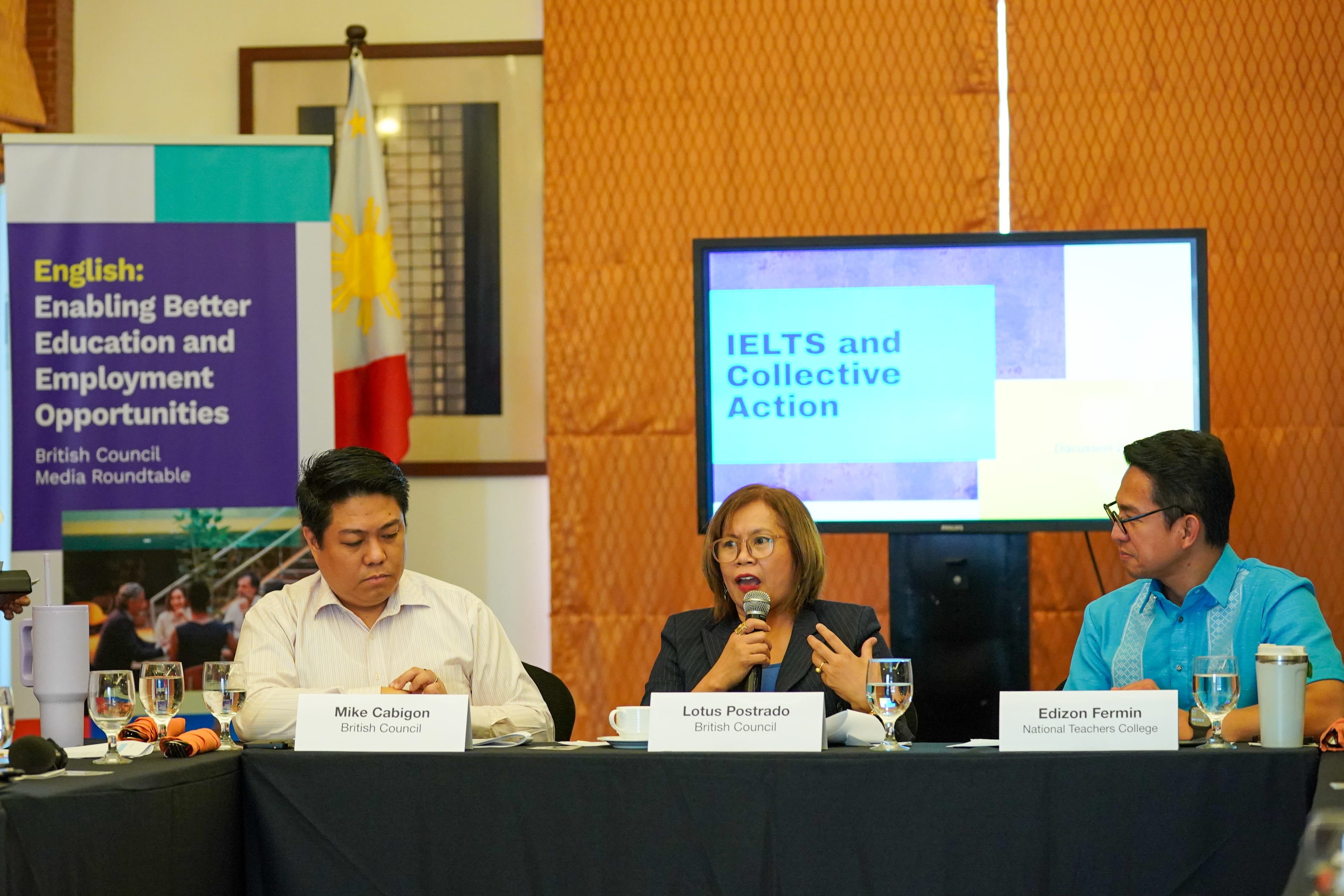
This was one of the key issues raised during the British Council Philippines’ recent media roundtable on English learning gaps, where experts discussed how weaknesses in English instruction are affecting Filipino learners’ readiness for higher education, employment, and international opportunities.
Oracy is the foundation of literacy
Years of second-language acquisition research show that oracy comes before literacy.
Children first learn language by hearing words, understanding meaning, and practicing spoken communication. These oral language skills help build vocabulary, improve comprehension, and support later reading and writing.
But according to the British Council’s curriculum analysis, English instruction in the Philippines remains heavily centered on literacy rather than oracy.
Across different grade levels, learners are exposed to more literary texts and grammar structures, with greater emphasis on receptive skills like reading, while productive skills like speaking receive less attention, particularly in the early years.
That imbalance can have long-term effects.
A child who has memorized grammar rules but rarely practices speaking may perform adequately in written exercises yet hesitate when asked to express ideas aloud. Over time, that lack of confidence can limit participation in class discussions, oral presentations, and eventually workplace communication.
Why speaking skills matter beyond the classroom
For many Filipino parents, strong English skills are often associated with academic success. But oracy affects far more than grades.
Children who are encouraged to speak, explain, and discuss ideas develop stronger confidence, clearer thinking, and better comprehension.
When kids practice verbal communication, they learn to organize thoughts, ask questions, and articulate opinions.
At home, parents can support oracy by talking with children in English during daily routines, asking them to describe what they learned, or reading books together and discussing the story.
Hanna is a News Desk Writer at Smart Parenting, covering parenting, health, culture, and more. Off the clock, she’s likely people-watching at a café or park, matcha latte in hand.