Kids and Pranks: How Far Is Too Far? A Psychologist Answers
Children can enjoy harmless pranks, but adults need to be mindful of their limits.

Published on Nov 3, 2025
Family videos have taken over social media feeds. Clips showing kids’ reactions or playful pranks often go viral, drawing laughs and likes from viewers. But behind the fun, not every child experiences the moment the same way, particularly younger ones.
A recent clip showed two-year-old Polly being pranked by her Tita Alex G., who pretended to shut a door on her. The comments revealed a mix of reactions. Some viewers found it funny and nostalgic, while others worried about how the child felt in the moment. The viral video has since opened a discussion on kids and pranking and where parents should draw the line.
The top comments read: “Ang bata pa para i-prank na ganyan Alex, kindly be mindful of the long-term effects.”

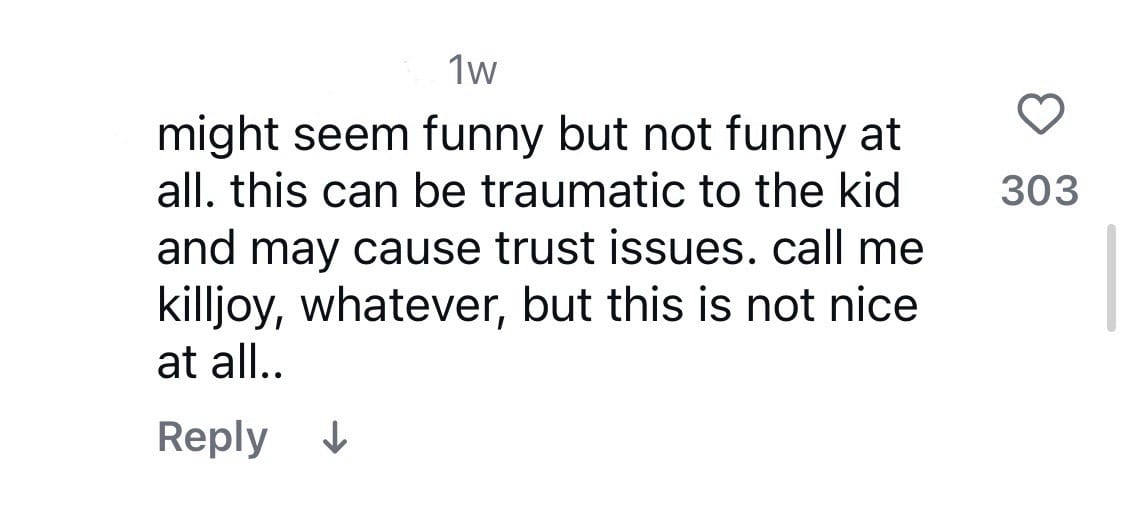
“Might seem funny, but not funny at all. This can be traumatic for the kid and may cause trust issues. Call me killjoy, whatever, but this is not nice at all.”
“A seemingly harmless prank may have long-term effects on the child. She may even grow up having trust issues with you. Trauma can start to develop at a very early age. Protect your relationship with her by making her feel secure in your love. Be an example to her Kuya, too, so he will not think it is okay to scare his sister like that.”
Meanwhile, others saw no problem with it, saying they went through the same as kids and turned out fine. They believe children today also need to “tough it out.”
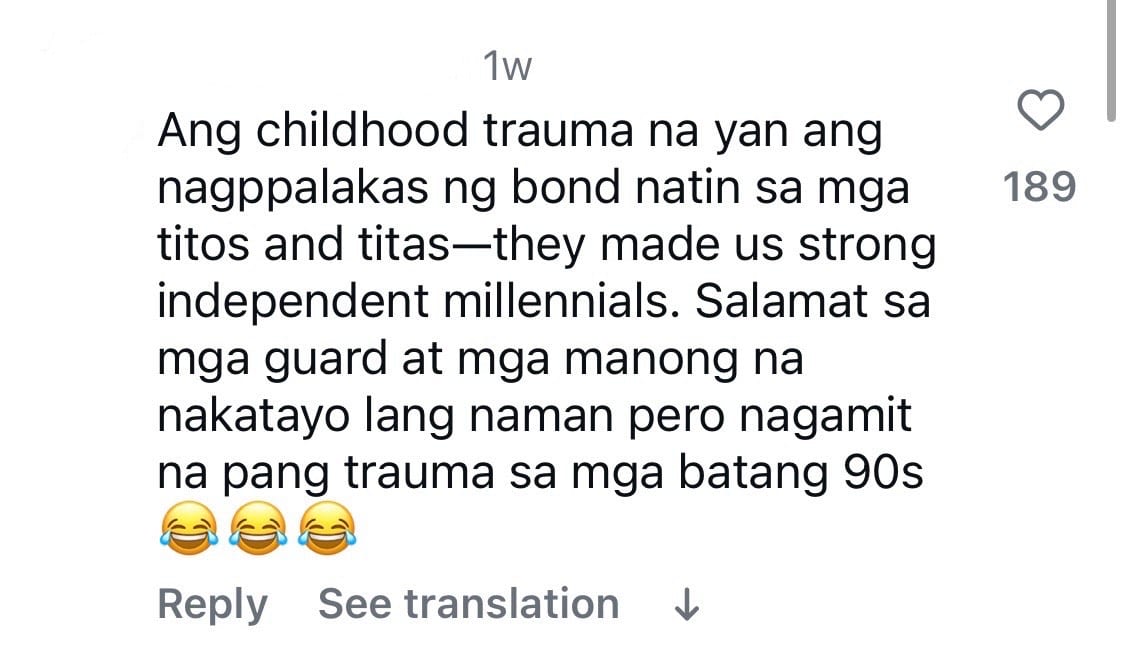
One wrote, “Ang childhood trauma na ’yan ang nagpapalakas ng bond natin sa mga tito and tita—they made us strong, independent millennials. Salamat sa mga guard at mga manong na nakatayo lang naman pero nagamit na pang-trauma sa mga batang 90s.”
The mixed reactions raise an important question: how far is too far when it comes to pranking kids? What some see as harmless fun can feel uncomfortable or even upsetting to others, showing that humor isn’t always one-size-fits-all.
How Far Is Too Far with Pranking Children?
To better understand the psychological impact of pranks on children, we spoke with Dr. Gail Galang, psychologist, professor, and a member of Smart Parenting’s Board of Experts.
“Even small pranks can hurt a child more than we realize,” Doc Gail says. “Younger kids see the world in literal ways. They don’t always understand when something is meant as a ‘joke.’ So when someone says, ‘Hala ka, your mom already left you,’ just to get a reaction, the child may actually feel scared or sad, not amused.”
She explains that in moments like these, the “fun” can easily turn into confusion or mistrust, because to the child, it felt real. “Worse, it can become a traumatic experience if the prank is played for a long period of time.”
Doc Gail also shares a simple rule parents can follow: check who’s laughing. “If only the adults are laughing while the child is obviously in a state of fear or anxiety, then that’s too far,” she says. For example, showing a toddler a motion-activated toy that suddenly moves or makes noise might seem funny to adults, but to the child, it feels genuinely scary. “Those seconds of fear can stay with them and affect their sense of security,” she adds.
According to Doc Gail, children usually begin to understand jokes and playful teasing around seven or eight years old. “Before that, they see things very literally,” she explains. “You can tell a four- or five-year-old that you own the toy store or that you’re a famous celebrity, and they’ll believe it. That’s a fun joke because no one gets hurt. However, this same age group will cry if they’re pranked about their favorite things being thrown away. That’s distressful and not funny at all.”
With older kids, it’s a different story. “An eight-year-old will likely laugh and tease you back when you poke them from behind. They can also engage in light banter with adults, and for them it feels enjoyable to outwit an adult. They know people are laughing with them, not at them. They still feel safe and secure.”
This change, Doc Gail notes, happens as their thinking matures—a shift developmental psychologist Jean Piaget called the move from “literal” to “logical” thinking. “It’s the stage when kids start to see that not everything adults say or do is meant to be serious,” she says.
Using Kids for Content
Another important consideration is how children are used in social media or family content. Videos featuring kids in pranks often go viral because of their reactions, but there is a fine line between sharing family fun and putting children in uncomfortable situations for entertainment. Children cannot always consent in the same way adults do, and even a “funny” clip can leave a lasting impression.
Content creators and parents should prioritize the child’s comfort and safety. Playful moments can be shared online as long as they respect boundaries and ensure that kids feel secure. Humor and entertainment should never come at the expense of a child’s trust, confidence, or emotional well-being.
Gail Reyes Galang, PhD is a licensed psychologist and a member of the Smart Parenting Board of Experts. Follow Dr. Gail on Instagram @docgailgalang.
Find out how ‘harmless’ teasing can affect your child’s weight—click here.
Hanna is a News Desk Writer at Smart Parenting, covering parenting, health, culture, and more. Off the clock, she’s likely people-watching at a café or park, matcha latte in hand.