The Health Risks of Pets Using Baby Facilities in Public Spaces

by Em Cruz
Published on Aug 22, 2025
Recently, a heated debate erupted on social media regarding the appropriate use of public spaces after several viral posts showed pet owners placing their pets on baby changing tables, inside grocery carts, on restaurant tables, high chairs, and even letting them ride kiddie arcade rides.
The controversy began with a Reddit post from user @Any-Fact_2712 that featured a photo of two individuals using a diaper changing station in a restroom for their pet dog. The caption indicated that the picture was taken in 2021 at a shopping mall in Pampanga.
Although the image is a few years old, this practice appears to be increasing, as evidenced by numerous photos and videos that followed. These included a dog riding a carousel, dogs sitting in high chairs or on tables at restaurants, and a recent post of a pet owner changing her dog's diaper on a baby changing table while a baby and its mother looked on.
Opinions online are divided. One group argues that pet owners treat their pets like babies, believing that these fur-kids are clean and well cared for. In contrast, others insist that pets are fundamentally different from human babies and should not be allowed to use public facilities meant for children.
The Philippine Animal Welfare Society (PAWS) issued a reminder on their Facebook page urging everyone to respect shared spaces. Their statement reads:
“We know how much our pets mean to us; they’re beloved members of our families. And with the growing acceptance of pets in public spaces comes a critical responsibility: to safeguard these spaces by respecting boundaries and protecting the health and well-being of both people and animals.
“Baby changing stations are designed specifically for the health and safety of human infants. Using these areas for pets, even with good intentions, can pose health risks to babies and potentially undermine public trust in the pet-friendly environments that the animal-loving community has worked so hard to build over the years. Just as there are designated areas and facilities meant to accommodate animals, such as pet parks, there are also spaces created for the unique needs of young children and their own families.
“Respecting these distinctions is not only a matter of public health, but also one of mutual respect and social harmony.”
But is the concern over pets using public facilities justified? Is it unsafe, particularly for children? Smart Parenting spoke with pediatrician and Smart Parenting board of experts member Dr. Joey Cuayo-Estanislao, who explained why this practice can pose real health risks for children.
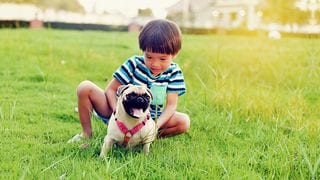
Why pets and baby facilities don’t mix
“These facilities, from diaper changing areas to high chairs, are meant to be used by infants and toddlers. As much as possible, we want to maintain the area’s cleanliness,” Dr. Cuayo-Estanislao emphasized.
Even if a pet looks clean and well-groomed, it naturally sheds fur and skin particles known as pet dander. These microscopic flakes can stay suspended in the air for long periods and cling to furniture, fabrics, and other surfaces.
“Pet dander is one of the most common allergens worldwide, and exposing our littles to it can make them prone to allergies and irritation,” Dr. Cuayo-Estanislao explained. “Pets’ fur also tends to harbor dust mites, mold, and pollen, which are all also common allergens and irritants.”
Moreover, pets may also leave behind traces of saliva, urine, or stool on these shared surfaces—further increasing the risk of infection.
Dr. Cuayo-Estanislao warned: “Their urine, stool, and saliva can also be a source of allergies, irritation, and they may also harbor viruses, bacteria, and other microbes that may cause problems for our children who are inadvertently exposed to them.”
Babies and toddlers are especially vulnerable because they often put their hands (and anything else they grab) into their mouths. A high chair or ride that looks clean may actually carry invisible allergens and microbes from pets.
How can parents protect their kids
One common question from commenters in these social media posts is how parents can keep their children safe from such health risks. Here are a few proactive steps parents can take to keep their kids safe:
Why Have Pets? Sabi Ng Isang Vet-Nanay They 'Provide Non-Judgmental Emotional Support'
Read hereTeach kids to be safe around pets
While having pets in the family is advantageous, parents should remember that safety must always come first. Dy. Cuayo-Estanislao reminded parents:
It’s understandable that fur parents love their pets as much as parents love their children, and treat them in the same way they would any family member. But it’s important to remember: baby facilities are meant for babies.
As Dr. Cuayo-Estanislao emphasized, “While many of us regard our pets as family, it’s important to be mindful that they can still be a source of medical problems for many of us, including small children and people with allergies.”
This is not about shaming pet owners—it’s about making sure that all families can safely use shared public spaces. Parents can do all kinds of preventive measures, but pet owners must also be mindful that some facilities are simply off-limits for animals.
Here are some benefits pets can give you and your kids.
Having a Pet in Your Home May Be One of Your Best Parenting Decisions
Read hereEm is a section editor at Smart Parenting (smartparenting.com.ph). A mother of two school-aged children and happily married for 15 years, she draws on her background in Public Relations and Digital Marketing to create meaningful content.