Dutch Schools Report Improved Learning After Banning Phones

Published on Jul 18, 2025
Taking smartphones away from students is a bold move, but in the Netherlands, it’s leading to positive results. Teachers say students are learning better, paying more attention, and classrooms feel much calmer.
Dutch Schools See Better Learning After Phone Ban
Three-quarters of the 317 surveyed high schools reported that the ban has had a positive effect on students’ concentration. Additionally, nearly two-thirds noted an improvement in the social climate within their schools, and one-third observed better academic performance.
More than half of the schools also observed improved interactions among students. Dr. Alexander Krepel from research institute Kohnstamm Instituut said, “It’s not possible to secretly snap a photo and share it on WhatsApp anymore. Now, kids are actually talking to each other during breaks. Sure, sometimes they argue, but that’s part of real connection.”
Typically, students only begin bringing phones to school in the final years of primary school, so the survey found minimal impact there. However, special needs and primary schools also saw gains, especially in classroom discipline.
Education Minister Mariëlle Paul put it simply: “When one teacher banned phones, it sparked debate. Now, with a national rule, everyone’s on the same page.”
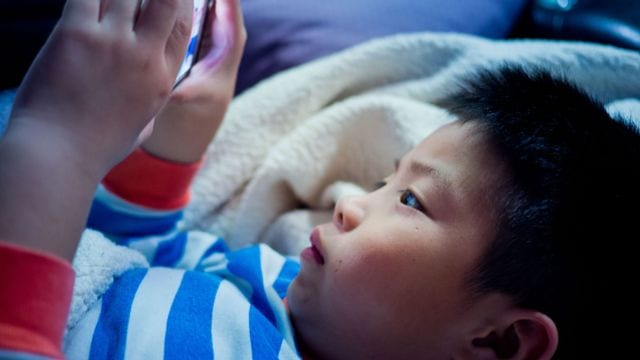
Parents Should Not Give Smartphone Access to Kids Under 11—EE
Here’s why you should delay your kids’ access to smartphones.
READ HEREOther Countries That Have Successfully Banned Smartphones in Schools
The Netherlands is not alone in implementing phone bans to improve classroom behavior and learning outcomes. France has enforced a nationwide ban on mobile phones in primary and middle schools since 2018.
In 2021, China’s Ministry of Education introduced a national policy that prevents primary and secondary students from bringing mobile phones to school, unless they have written permission from their parents. Even then, phones must be handed over to school staff during school hours to reduce distractions and protect students’ eyesight.
Australia has also moved toward phone-free learning. In 2020, Victoria required students to switch off and store phones during school hours to reduce cyberbullying and distractions. New South Wales introduced a similar ban in late 2023, and a 2024 survey found most principals reported fewer distractions and better learning outcomes.
Even in the United Kingdom, schools have been encouraged to limit the use of phones. In February 2024, the government released guidance supporting bans throughout the school day to help students focus on lessons and reduce online harm.
As phone bans become more common around the world, educators continue to weigh their impact on learning, social interactions, and student wellbeing.
Click here to read what Smart Parenting Village members think about cellphone bans in schools.
Hanna is a News Desk Writer at Smart Parenting, covering parenting, health, culture, and more. Off the clock, she’s likely people-watching at a café or park, matcha latte in hand.