How to Talk to Your Children About School-Based Violence
In light of the recent school violence, here's expert advice on talking to kids and the reminders that can help keep them safe.

by Em Cruz
Published on Jun 26, 2026
"School shooting" generally refers to any armed attack at an educational institution involving a firearm and has been in use since the 1990s. By 2010, the term had evolved to its meaning today: student-perpetrated attacks in schools.
This year, the U.S. has recorded 89 school shooting incidents. Over the last decade, 2023 recorded the highest number, with 352 incidents.
For most Filipinos living outside the U.S., school shooting was foreign news. We see the numbers. We see them on our screens. We see them in the news and on social media. We see the aftermath and, at times, law enforcement responding to the situation. We see them depicted in movies, in school lockdown drills, and in students’ bulletproof backpacks and folders.
Not until June 2026.

How To Talk To Your Kids About Gun Violence
Read hereOn June 22, 2026, school shootings hit closer to home for many Filipinos when two teenage students allegedly opened fire inside their high school in Tacloban City, killing three students and injuring numerous others.
Sadly, it wasn’t the only school-related violent incident in the news cycle that week. Just a couple of days before, two separate stabbing incidents also occurred at different schools in Cavite, the first on June 16 and the second on June 19. One of the incidents was captured on CCTV, showing a student entering a classroom and stabbing several students multiple times before anyone realized what was happening.
These violent acts came as a shock to Filipinos and understandably left parents worried, with some expressing panic. Questions about how to keep children safe and what parents can do to help ensure their children don’t fall victim to or commit such horrific acts have flooded social media and online communities. Government agencies and politicians have each offered their own proposals and statements on the steps needed to help prevent this from happening again. Schools, meanwhile, are taking steps to protect their communities, whether by hiring additional security personnel, installing metal detectors or, as some parents have posted online, confiscating possible sharp objects.
While we recognize the importance of these measures, the question remains: is there anything parents can do themselves to help keep their children safe? And how can we help our children understand and cope with the reality that they live in a world where young people can also commit criminal acts?
How to Talk to Your Children About School Shootings
The reality is that we can’t always shield our children from hearing and learning about school shootings, especially with constant news coverage and social media. What parents can do, however, is help them process these events in ways that make them feel informed, supported, and safe.
Child psychologists recommend focusing on emotional safety and taking the following steps:
Ask your child what they already know
Ask your child what they already know
Ask open-ended questions such as:
“What have you heard?”
“How did you find out?”
“How do you feel about it?”
Then explain what happened. Starting with what your child already knows allows you to correct any misinformation and gauge how much they actually understand.
Dr. Gail Reyes-Galang, psychologist, child and family specialist, and Smart Parenting Board of Experts member, recommends:
“Check in with our kids instead of assuming they’re okay. Ask what they’ve heard, listen without judgment, and reassure them that it’s okay to feel scared or sad about the news. Assure them that these incidents are very rare, but they still need to be careful.”
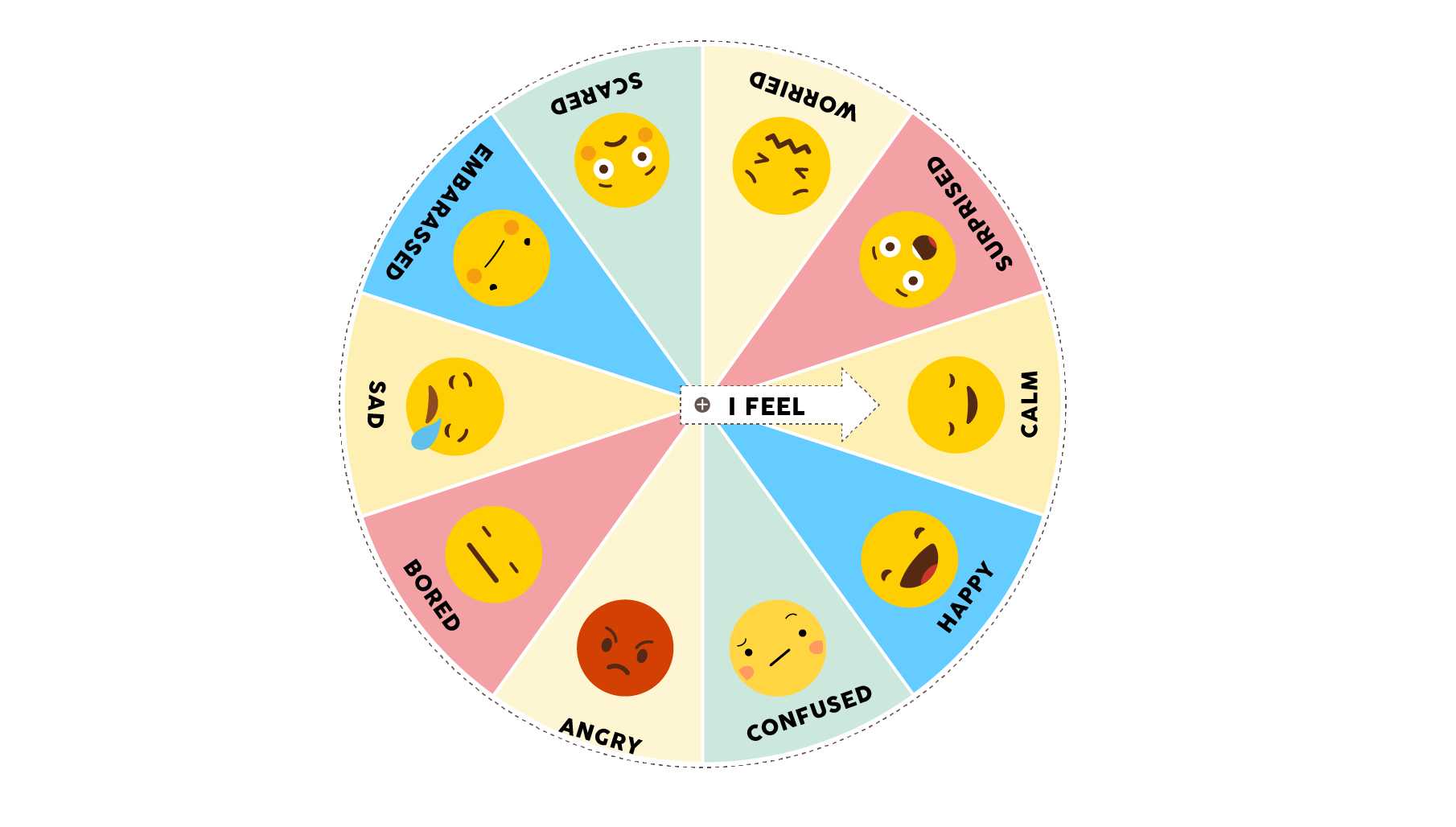
Smart Parenting Tip: Provide kids options for emotions if they can't easily identify what they're feeling. If you have emotion cards, this would be a good time to make use of them. You can also use images online to show on your devices.
Stay calm.
Stay calm.
Dr. Jamie Howard, a trauma expert and clinical expert of the Child Mind Institute, recommends that parents remain calm because children take emotional cues from adults. They may mirror their parents’ fear or become even more anxious when they see adults panicking or feeling overwhelmed.
Be honest, but don’t overwhelm them.
Be honest, but don’t overwhelm them.
Be truthful, but tailor the information to your child’s age and developmental level.
For younger children:
Keep explanations brief
Avoid graphic details
For older children and teens:
Answer their questions honestly
Discuss the situation depending on the questions they ask
.png)
Playing 'Violent' Video Games Won't Necessarily Make Your Child A Violent Person
Read HereExplain the school’s safety measures.
Explain the school’s safety measures.
Schools may already be planning to implement additional security measures, which children will likely notice. It’s helpful for parents to explain these changes because children generally feel safer when they understand that there is a plan in place.
Parents can also assure kids that schools have:
Teachers and staff are trained for emergencies
Campus security procedures
Emergency drills
Adults whose job is to protect students
Teach your child what to do.
Teach your child what to do.
We asked Dr. Galang what parents can realistically teach their children, or what bilin they can give, in the event of a school shooting. She recommends the following scripts:
“Anak, always trust your instincts. If something doesn’t feel right, don’t ignore it. Leave the area and find a teacher or another trusted adult right away.” ["Anak, pagkatiwalaan mo ang instincts mo. Kapag feeling mo may mali o hindi ka komportable, umalis ka agad at lumapit sa teacher o sa ibang trusted adult."]
“Whenever you enter a new place, make it a habit to notice where the exits are. It only takes a few seconds, but it can make a big difference.” ["Kahit saan ka pumunta, ugaliin mong tingnan kung nasaan ang mga exit. Mabilis lang 'yan, pero malaking bagay kung magkaroon ng emergency."]
“Take care of your friends, but don’t risk your own safety. The best way you can help is by staying safe too.” ["Tulungan mo ang friends mo, pero huwag mong ilagay sa danger ang sarili mo. Mas makakatulong ka sa kanila kung safe ka rin."]
“If you ever hear someone making threats or see something that worries you, please tell me, your teacher, or another trusted adult. It’s always okay to speak up.” ["Kung may marinig kang nagbabanta o may makita kang alarming o delikado, sabihin mo agad sa akin, sa teacher mo, o sa ibang trusted adult. Huwag kang matakot magsabi. Mas mabuting magsalita kaysa manahimik."]
“Listen carefully to your teachers and security guards. They are there to keep everyone safe.” ["Makinig ka lagi sa teachers at security guards. Nandiyan sila para panatilihing safe ang lahat."]
“If you need to hide, stay out of sight, away from windows or doors and stay quiet.” ["Kung kailangan mong magtago, humanap ng lugar na hindi ka makikita, lumayo sa mga bintana at pinto, at manatiling tahimik."]
Most importantly, experts emphasize that children are not expected to confront a shooter. Although the “Run, Hide, Fight” strategy is commonly taught during active shooter situations, “fight” is intended only as a last resort when there is an immediate threat to life, and there’s no other viable option.
Parents can remind their children: “It’s not your job to stop the bad person. Your job is to stay with your teacher and get to safety.” ["Tandaan mo, anak, hindi mo responsibilidad na pigilan ang masamang tao. Ang dapat mo lang gawin ay sundin ang teacher mo at gawin ang lahat para manatiling ligtas."]
Consult an expert.
Consult an expert.
Finally, Dr. Galang reminds parents to seek professional help when necessary:
“If a child goes through trauma, a psychologist can help them debrief and process what happened in a safe way.”
Should Parents Be Concerned About Field Trips? Expert Weighs In
Read hereEm is a mom of two fueled by coffee, stories, and parenting chaos. When not on her laptop as Smart Parenting’s Assistant Managing Editor, she’s likely lost in a book or movie.