What Is a Low-Stimulation Show and Why It’s Better for Young Brains

Published on Sep 11, 2025
Screen time for toddlers is unavoidable and, dare we say, part of today’s parenting. But not all shows are equal. Fast-paced, brightly colored programs may capture a child’s attention, but they can overstimulate, making it harder for toddlers to self-regulate or transition to other activities. Enter low-stimulation television.
All Aboard ‘Slow TV’
While the viewing time remains an important concern, the quality of content children consume matters just as much. Thoughtfully chosen shows can support learning, curiosity, and emotional growth. It’s also why slow TV is gaining popularity among today’s parents on social media, who champion more mindful viewing.
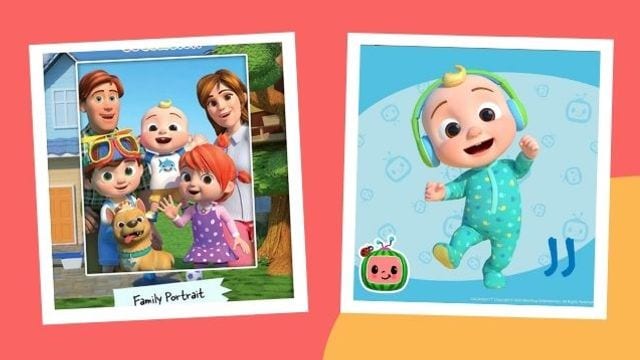
CoComelon Acts Like a Drug? What We Need to Really Worry About
We can hate on a show, but we shouldn’t strike fear or panic among parents.
READ HEREThe Role of Television in Early Childhood
In contrast, low-stimulation shows engage children through calm storytelling, intentional pacing, and meaningful social-emotional lessons. This isn’t to say they’re boring—they just avoid the unnecessary noise and over-the-top actions.
What Defines a Low-Stimulation Show?
 (720 x 720 px) (4).jpg)
Advantages of Low-Stimulation Shows
Reducing Overstimulation
Young children process sensory input differently from adults. Rapid scene changes, loud sounds, and bright colors can overwhelm their developing brains. Low-stimulation shows give children space to absorb information and engage calmly with content.
Many calm shows center on problem-solving, social skills, and emotional understanding. They demonstrate empathy, cooperation, and self-regulation, equipping toddlers with tools that go extend beyond the screen.
When programming slows down, children are more likely to interact with the material. They may mimic behaviors, sing along, or imagine themselves in the story. This mental engagement naturally nurtures creativity and curiosity.
Low-stimulation shows are easier for adults to watch without sensory fatigue. Parents can discuss lessons, guide children through social-emotional concepts, and enjoy screen time together without the chaos associated with high-energy programming.
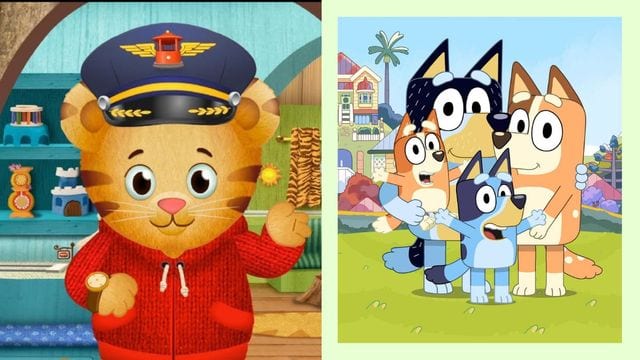
Top 10 Kids and Family TV Shows to Watch
We’ve rounded up a list of TV shows both the kids and entire family can enjoy!
READ HERERecommended Low-Stimulation Shows for Little Ones
Little Bear
This series follows a curious young bear exploring friendship and family dynamics. Its gentle pacing and soft visuals make it an ideal introduction to television for toddlers.
Where to Stream: Amazon Prime Video, Paramount+
Daniel Tiger’s Neighborhood
Inspired by Mister Rogers’ Neighborhood, this series uses gentle storytelling and catchy songs to teach young viewers essential social-emotional skills like expressing feelings, sharing, and problem-solving.
Where to Stream: PBS Kids
Franklin
Franklin follows a young turtle and his friends in Woodland, teaching social skills, problem-solving, and family values through relatable, positive scenarios for young children.
Where to Stream: Amazon Prime Video
The Sound Collector
A stop-motion animated series that follows a curious, partially deaf child who embarks on adventures to discover and record the world’s sounds, fostering mindfulness and appreciation for nature.
Where to Stream: PBS Kids, YouTube
 (720 x 720 px) (Presentation) (1).jpg)
Suzy’s Zoo
Suzy’s Zoo follows Witzy the duck and his animal friends as they explore everyday adventures, teaching young children lessons about kindness and friendship.
Puffin Rock
This Irish animated series tells the story of Oona, a young puffin, and her brother Baba on Puffin Island. Its narrative highlights nature, environmental awareness, and simple, soothing adventures.
Where to Stream: Netflix
Arthur
Arthur follows an aardvark and his family and friends, addressing empathy, friendship, and moral dilemmas. Its slow pacing and thoughtful approach make it suitable for toddlers learning social-emotional skills.
Where to Stream: PBS Kids, Amazon Prime Video
The New Adventures of Winnie the Pooh
This classic series focuses on friendship, kindness, and problem-solving. Episodes are gentle and comforting, making them ideal for young viewers.
Where to Stream: Disney+
Goodbye, National Geographic Channel; Where to Watch Similar Content
READ HEREIs Bluey Low-Stimulation Enough for Toddlers?
You’re probably wondering, how about Bluey? While it’s hugely popular for its heartwarming stories and relatable family moments, it isn’t entirely low-stimulation. It includes faster scene changes, playful chaos, and occasional loud sounds. Limiting viewing to one or two episodes at a time can help keep it suitable for toddlers who are sensitive to stimulation.
Creating a Balanced Screen Routine
Hanna is a News Desk Writer at Smart Parenting, covering parenting, health, culture, and more. Off the clock, she’s likely people-watching at a café or park, matcha latte in hand.
Read more stories about