Why Screen Addiction Poses a Greater Risk Than Long Screen Time

Published on Jul 2, 2025
If you’re constantly worried about how many hours your kids spend on their phones or iPads, here’s something that might surprise you: a new study says it’s not just the amount of time that poses a risk; it’s whether they’re addicted.
Researchers tracked over 4,200 kids starting at age 10, screening them yearly for signs of addiction, like compulsive use, distress when not using devices, and feeling unable to stop. By age 14, nearly one in three showed increasingly addictive use of social media or phones, and over 40% showed signs of video game addiction. These kids were also more likely to struggle with anxiety, depression, and suicidal thoughts.
Beyond Hours: How Screen Addiction Affects Kids
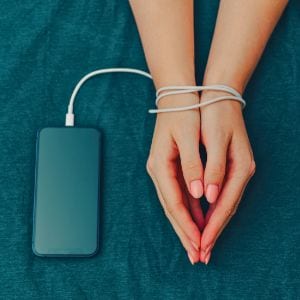
Screen addiction looks different from just spending lots of time online. Experts have defined it in various ways, but there isn’t one clear definition everyone agrees on. Still, common signs include kids feeling they need more time on screens to feel good, getting restless or irritable without them, and using devices to escape their problems. Many say they lose track of how much they use their phones, and some even admit their screen habits hurt their schoolwork.
While parents often focus on limiting hours, the new study shows it’s the addictive patterns, not just total screen time, that put kids at greater risk for mental health problems. For example, heavy video game addiction was linked to depression and anxiety, while growing social media addiction was tied to behavioral issues like aggression.
We Dare Imagine: What If PH Banned Kids Below 16 From Social Media?
What would it take for the Pinoy child to have a social media-free childhood?
READ HEREExperts recommend focusing on healthy screen habits rather than strict bans. Keep devices out of bedrooms and mealtimes, talk openly about responsible use, set realistic limits together, and watch for signs of distress or addiction. If you’re worried, don’t hesitate to seek professional guidance.
Hanna is a News Desk Writer at Smart Parenting, covering parenting, health, culture, and more. Off the clock, she’s likely people-watching at a café or park, matcha latte in hand.
Read more stories about