Wellness
Jobless, Depressed, in Debt: A Dejected Dad's #SPConfessions
'More than 100 applications and leads that turn into dust every single time.'
Published on Sep 3, 2025
TW: This article contains content related to suicide and self-harm.
I’m a husband and father, and we’re a single-income household. My wife and I are both persons with disabilities (PWDs); we’re diagnosed with multiple psychosocial disabilities. Despite this, I have been able to have a successful career while my wife takes care of the kids. And thank God, we had never been in debt.
All of this changed last year. What happened to me was never in my life plan, but life happens. And I have no other choice but to move forward.
Last year, I almost committed suicide while on my way home from work. I had planned it meticulously so that I wouldn’t be a hassle to my company, family, and strangers; I didn’t want anyone to get hurt—anyone but me.
ADVERTISEMENT
Thankfully, I made it home alive after texting some friends and driving extra safely. I couldn’t even tell my wife right away; I told her a day later. I also told my psychiatrist, and she wanted me to be admitted to the hospital for safety reasons. But I said no, because of costs and logistics.
What we agreed to do was to take a break from work, though deep inside I knew work wasn’t the only trigger. I had been depressed for years now, and was longing to get back a side of me that I had not seen, but current life circumstances and having a family were preventing that from happening again. Perhaps I was too delusional and should have accepted my reality, or perhaps I was just comparing myself to my colleagues.
Perhaps I never fully accepted my role as a father, or maybe the reality of being one hit me harder. I haven’t fully processed this yet, but all I know is that I can't afford to fail anywhere, because I have people’s lives in my hands. I was fully driven in every job and role I’ve held to do my best, to avoid receiving bad reviews and being let go.
Meanwhile, at work, I had the usual triggers of keeping tons of workload to myself, targets not being met on time, and various people sometimes causing anxiety.
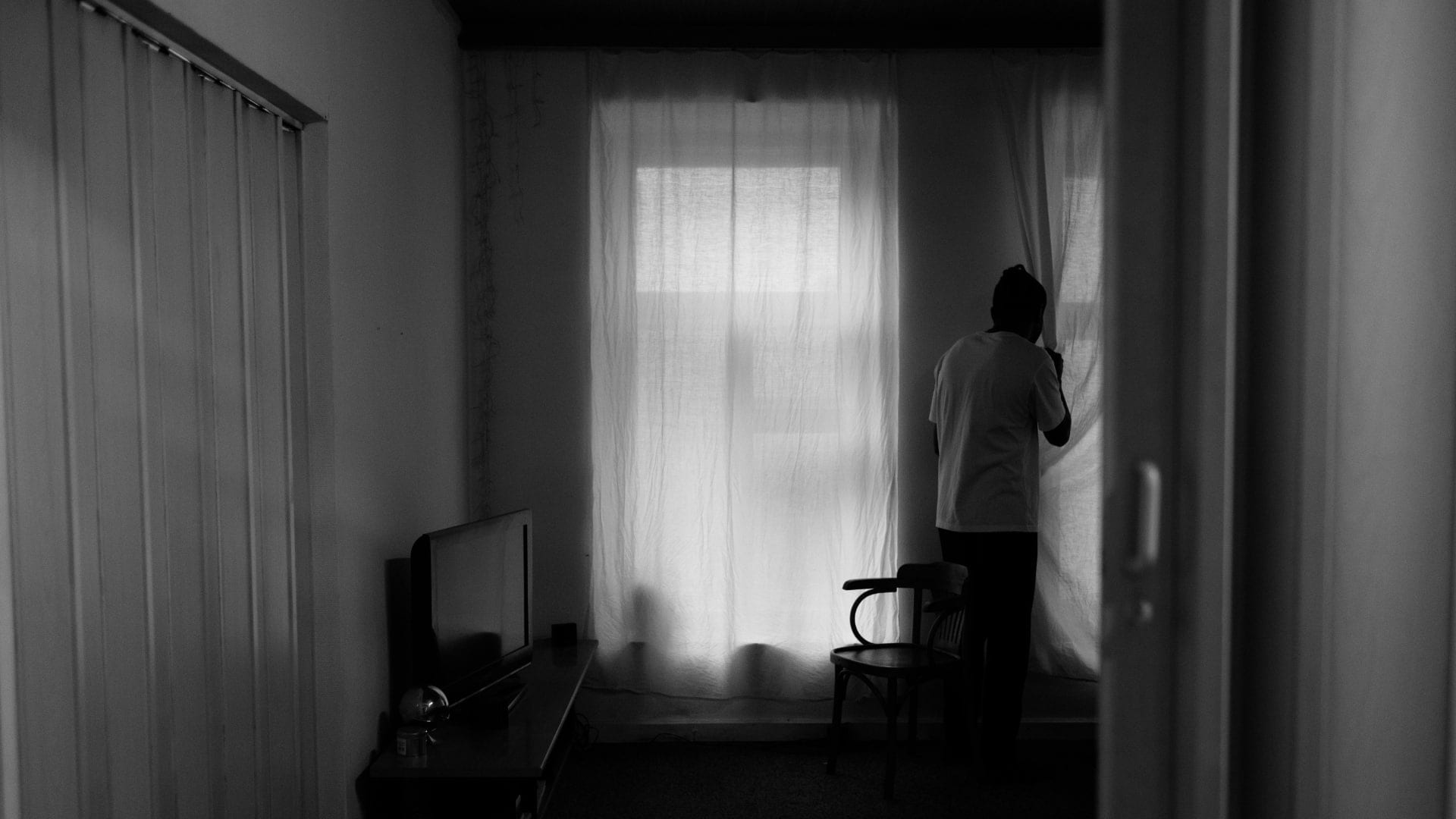
Click to Enlarge
Photo by Cottonbro Studio from Pexels.
So, as compromised with my psychiatrist, I took a break from work and focused on getting better. That was a daily battle: I couldn’t get up, I could barely function, and I had to help my wife and take care of the kids and the household. I was doing my best, and sometimes my best meant getting up to fix the kids’ meals. I felt pressure to get better and return to work, after all, I had just taken a break, right? Have you ever tried forcing yourself to get better after an injury? You only get better by not thinking about it and taking lots of rest. Well, I couldn’t. I was worried that I wouldn't get better despite my break.
After a few weeks, I got back to work. I was slow and sluggish, but powering through. My team had been left to function alone for a time, and while I always aim to work myself out of a job and set things up so people can make decisions without me, I wanted to be back to support them. I was surprised when I had to deal with more issues than I ever thought I would have to face. These included generational differences, which led to the rise of cancel culture. I was aghast, lost, and broken—and a villain in many people’s eyes. Ultimately, I decided to leave the company I had given my all to and the team I had taken utmost care of, without explaining my side or saying goodbye.
I was even more suicidal than before. Thank God, my friends came to my rescue, doing what they could to help: met up with me to listen to my story, contacted my psychiatrist to move up my psychiatry session. My wife gently reminded me that no matter what, people loved me, and people care about me, and suicide will not help anyone.
The trauma of this event led me to pick up some old bad habits I stopped—I went back to smoking. I needed to cope, and I had to do what I had to do.
I had to focus on recovery, but it was tough. Every day, I didn’t want to sleep, and every day, I woke up to the thought of how evil I was. All I could do was talk to some friends who understood me, and tell my side of the story. And take medicines. I hadn't even thought of going back to work yet, though I knew I didn’t have enough time—our savings couldn’t cover our expenses for long. My wife assured me that I needed to rest, recover, and deal with my depression first, yet again, so I did.

Fathers Can Get Postpartum Depression Too–Here Are The Symptoms To Watch Out For
'It’s often hard for people to take seriously the idea of a man having similar problems.'
READ HEREJob-hunting and facing rejections
Then I started applying for work. Everywhere. In different countries. Reached out to every headhunter I knew and tapped my network for opportunities. Any opportunity was welcome, and like they say, you create your own opportunities by being there. So I applied and applied and applied. At first, there were a few good opportunities. One by one, they started to fizzle out. Whether it was because I was earning too much for their budget, or I had no connections and referrals, they disappeared.
Three months later, a good opportunity arose—an exact match for my skills and experience. It could pay well, and I was the best fit for it. I thought this was it. It made sense to me, even though I wasn’t too keen on working there, because I knew that the work culture could trigger me again. However, it was during this time that resources were running low and debt was mounting. We had been living off of savings and our credit card all this time. After a painful four-month interview process, I was ghosted by the company.
Thank God for blessings, though. Friends of ours gave us some money to pay for rent and groceries. But that would not last long. I kept looking. Kept being anxious.
Two months after being ghosted, I found another good opportunity. My friend was only too happy to refer me, and I made it to the final interview. Now it was between me and the other candidate. And they chose neither—another rejection.
At this point, I had been jobless for about a year. More than 100 job applications, and only a handful of leads that would eventually turn to dust every single time.
My network had started running dry on leads months ago, and I had no more people to reach out to. Friends would still be around to encourage me, but no one knew I was in debt, more than ₱1 million at this point.
We had to do what we had to do and cut back on our expenses even more. We spoke with the kids’ school, and they agreed to let us defer our tuition payments. We informed our landlord that our rent would be delayed. We had to borrow money from friends and family to cover our rent and bills. The bank calls me daily to remind me of my bills, and I simply tell them that I have no funds available right now. I pay whatever small amount I can.
A year in, and I’m still not out of it. Honestly, I know there’s going to be a way out, but I don’t know when it will arrive, or how much longer I can hold out for.
These days, I barely get to move. I consider it a win when I apply to four jobs in a day or have an interview scheduled. I consider it a huge win when I don’t let suicidal thoughts fester in my head.
But God, I’d like a real win, please. A good workplace so I can once again do something productive for myself, provide for my family, and start to pay off these debts I never thought I’d have. I haven’t even started working, and I’m already tired and burnt out from all of this.
If you’re reading this, please remember to take care of yourself. Dads, these times are not easy for anyone.
This true story was submitted to the Smart Parenting editorial team. Names and details have been slightly altered to protect the sender's identity. Do you have a #SPConfession you'd like to send? E-mail your story to smartparentingsubmissions@gmail.com.
***
If someone you know is suicidal or depressed and you'd like to help, click here.
If you are suicidal or are experiencing symptoms of depression, know that there is help and hope. You may call the following hotlines:
1. Crisis Line by In Touch:
8893-7603
(0917) 800-1123
(0919) 056-0709
2. Center for Family Ministries
3. Hopeline
8804-4673
(0917) 558-4673
(0918) 873-4673
4. NCMH Crisis Hotline
Dial 1553
1-800-1888-1553
(0919) 057-1553
(0917) 899-1727
(0917) 899-USAP
Smart Parenting is the leading digital resource for Filipino moms and dads, offering expert-backed advice on pregnancy, parenting, health, and family life. With a supportive community and practical guides, it empowers parents to raise happy, healthy kids with confidence.
You Might Also Like