RSV Season Is Here: How to Tell If Your Child’s Cold is Something More Serious
RSV is one of the most common, highly contagious, and potentially life-threatening viruses, yet many households are still unaware of it.

Published on Oct 3, 2025
Every sipon or ubo season, Filipino parents worry about flu or pneumonia. But there’s another virus quietly spreading that many households still don’t know about: Respiratory Syncytial Virus, or RSV. Unlike a simple cold, RSV can be dangerous for babies under six months, toddlers, and older adults. It spreads easily, often looks mild at first, and yet can lead to serious breathing problems like pneumonia or bronchiolitis.
RSV Awareness in the Philippines
On October 2, Pfizer hosted a health forum in Rockwell, Makati titled “RSV: The Invisible Thief that Breaks Breath.” Health experts emphasized RSV’s impact in the Philippines, describing it as an “understated but threatening” illness. They called for more awareness, prevention, and early action, especially since RSV remains one of the most common respiratory infections leading to hospitalization among children under five.
Globally, RSV causes 33 million infections and nearly 3.6 million hospitalizations in children under five every year. In the Philippines, surveillance studies show RSV is detected in up to 27% of severe pneumonia cases in young children.
Experts say RSV cases in the Philippines rise sharply from August to December, peaking during the colder months, although infections are present throughout the year. This means parents should be extra watchful during the -ber months when kids are more exposed to colds and coughs.
Iba pang Sakit sa Baga ang RSV: Bakit Maraming Bata ang Apektado Nito?
Ito ang mga dapat malaman tungkol sa respiratory syncytial virus (RSV).
READ HERESymptoms to Watch Out For
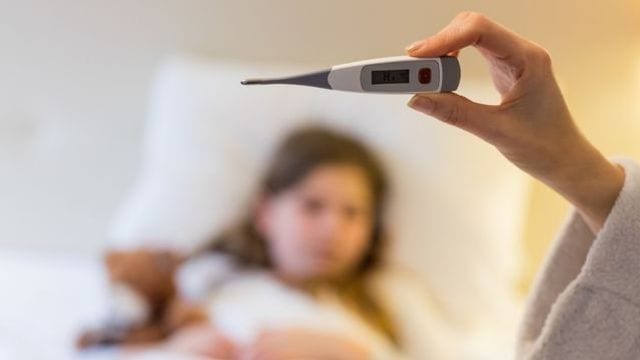
At first, RSV can look just like a regular cold. But here are signs parents shouldn’t ignore:
Runny nose, sore throat, mild fever, fatigue
Persistent cough and wheezing
Fast or labored breathing
Chest muscles are visibly working harder with each breath
Bluish lips or fingernails (a warning sign to go to the ER)
Protection Starts Before Birth
Pregnant women can now protect their newborns through maternal immunization. A single RSV vaccine given at 28 weeks of pregnancy helps pass antibodies to the baby through the placenta, giving protection during the infant’s most vulnerable first months.
Dr. Analyn Fallarme of PIDSOG explained, “Pregnant women need to know that they can protect their babies before they are even born through maternal immunization. Awareness is the first step.”
RSV in Older Adults
RSV isn’t only a childhood concern. Adults over 60, especially those with asthma, COPD, heart disease, or diabetes, are also at high risk of severe infection. Symptoms can mimic flu or asthma, making early diagnosis tricky. Left untreated, RSV can worsen chronic illnesses and lead to hospitalization.
There’s no specific cure once RSV strikes, but prevention and supportive care are key. Parents can:
Practice regular handwashing at home and school
Disinfect toys, doorknobs, and surfaces
Keep sick kids at home to avoid spreading the virus
Avoid kissing babies if you have a cough or cold
Ask your doctor about RSV vaccines for pregnant women, infants, and older adults
RSV season is a reminder that health is a shared responsibility at home, in schools, and in communities. With the right information and proactive measures, parents can help protect their children from a virus that too often goes unnoticed.
Click here for practical ways to stop flu and colds from spreading in your family.
Hanna is a News Desk Writer at Smart Parenting, covering parenting, health, culture, and more. Off the clock, she’s likely people-watching at a café or park, matcha latte in hand.