
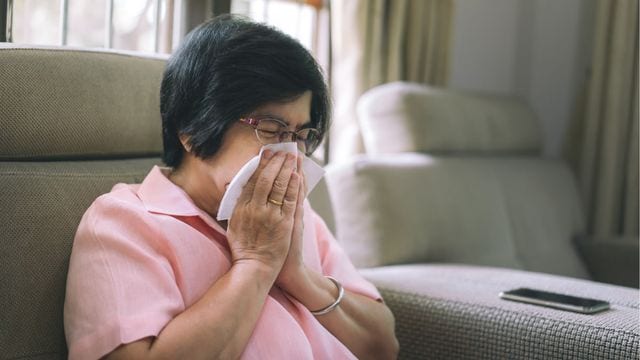
Respiratory Syncytial Virus, better known as RSV, is increasingly recognized as a significant health threat, not only for children but particularly for senior citizens and individuals with comorbidities. At an event hosted by GlaxoSmithKline Philippines, Inc., public health experts talked about the illness and warned that over 9 million Filipino seniors might be at risk. As parents who might be responsible for both our children and our elderly parents at home, what do we need to know about RSV? And how can we keep our families safe from the disease?
What is RSV?
RSV is a common and highly contagious viral illness that primarily affects the respiratory system. Although RSV is more commonly considered as a pediatric illness, it also poses a severe threat to older adults, especially those with pre-existing health conditions. Dr. Rontgene Solante, an Infectious Disease Expert, describes RSV as a widespread yet lesser-known respiratory virus that transmits through inhalation or contact with respiratory secretions of those infected. He says that it typically manifests symptoms including congestion, cough, wheezing, and low grade fever.
What are the symptoms of RSV?
Since it is a respiratory illness, RSV’s symptoms can be easily mistaken for those of the common flu, making it challenging to identify without specific testing. The typical symptoms of RSV include:
- Congestion: Nasal congestion that can lead to breathing difficulties.
- Cough: A persistent cough that can be severe in some cases.
- Wheezing: High-pitched sounds when breathing, which could indicate respiratory distress.
- Low-grade fever: A mild fever that may not seem alarming but can indicate an infection.
How to diagnose RSV?
Since it shares non-specific symptoms similar to that of other respiratory diseases, diagnosing RSV can be complex and challenging. Specialized testing is required to confirm an RSV infection. “Identifying RSV from other respiratory diseases is difficult because of its non-specific symptoms similar to other illnesses,” Dr. Solante explains. “Diagnosis requires testing that is often expensive and not widely accessible. Seniors and individuals with comorbidities may mistake their symptoms for a common cold or flu, not realizing they could be suffering from RSV, which can result in severe long-term damage or even fatal complications. More concerning is that there is no specific treatment for RSV in adults.”
Dr. Solante also emphasized that while RSV can infect individuals any time of the year, it can spread more intensively during the rainy months from September to February, peaking in the colder months of October and December. The highly contagious virus can easily spread within households, where one infected person can infect three others. And while most who get it are infectious for around 3 to 8 days, older adults may transmit the virus for extended periods.
What’s the impact of RSV on seniors?
RSV can seriously impact our elderly’s health and wellness, including:
Increased risk and severe complications
Seniors are particularly vulnerable to RSV infections due to their weakened immune systems. Moreover, family members can inadvertently put them at risk. “Our seniors are particularly susceptible and vulnerable because, in Philippine culture, they often live with family members who also serve as their caregivers,” Dr. Solante explains. “These family members may unknowingly contract RSV at work or elsewhere and bring it home to their senior relatives. Within the household, symptoms might be dismissed as just the flu, not realizing that what’s circulating is RSV, which can be fatal for seniors.”
Seniors are also more likely to require hospitalization compared to children. Dr. Lourdes Dumlao, President of the Philippine College of Geriatric Medicine states, “Studies have shown that the incidence of hospitalizations and mortality due to RSV is substantially higher in seniors than in children. Seniors with certain underlying conditions such as pneumonia, congestive heart failure (CHF), asthma, and chronic obstructive pulmonary disease are at higher risk of hospitalization when infected with RSV. Additionally, RSV can cause severe respiratory complications in older adults, including arrest and failure, respiratory distress, and emphysema. Further, about 30% of older adults may develop heart complications when hospitalized with RSV.”
Extensive aftercare and mortality rates
The aftercare required for seniors hospitalized due to RSV is extensive and can be burdensome for both patients and their families. Dr. Lenora C. Fernandez, head of Pulmonary Services at Asian Hospital and Medical Center and former President of the Philippine College of Chest Physicians, explains the challenges: “One out of four RSV patients (24.5%) may require professional home care after hospital discharge. Additionally, up to one out of four (26.6%) of these patients are readmitted within three months post-discharge, and even more concerning, three out of ten (33%) may die from complications related to RSV within a year of their initial admission.”
The numbers underscore the severity of RSV in seniors and highlight the importance of comprehensive post-hospitalization care. The high readmission and mortality rates also indicate the need for better management and preventive measures to protect seniors from severe RSV infections.
How to prevent RSV?
The risks RSV presents to seniors underscore the importance of preventive measures. Education and awareness of the disease play a significant role in prevention. Dr. Solante emphasizes that both seniors and their caregivers and families need to be well-informed about RSV, “RSV is difficult to detect and prone to misinformation, so I advise seniors to discuss RSV with their doctors who can guide them on the necessary precautions to reduce their health risk.”
Here are some tips on how families can minimize the risk of RSV:
Hygiene and safety protocols
The timely and effective implementation of hygiene and safety protocols can help in protecting seniors from RSV and even other viral and contagious diseases. Dr. Fernandez recommends prompt action if flu-like symptoms appear within the household. “I recommend that families implement safety and hygiene protocols promptly to protect their seniors, such as isolating symptomatic individuals, wearing face masks, engaging in frequent hand washing,” she adds. Regularly cleaning and disinfecting commonly touched surfaces inside the home can also help prevent the spread of RSV.
Healthy lifestyle habits
Adopting healthy lifestyle habits can significantly boost the immune system and reduce the risk of RSV. Dr. Dumlao advises, “Seniors must be proactive about their health. Through regular medical consultations, seniors can ensure they receive the right interventions to mitigate RSV risks, while also adopting healthy habits like maintaining a healthy diet, getting adequate sleep, and engaging in regular exercise to boost their immune system.”
Key lifestyle habits to consider include:
- Maintaining a healthy diet: Consuming a balanced diet rich in fruits, vegetables, and lean proteins to support the immune system.
- Regular exercise: Engaging in moderate physical activity to enhance overall health and immune function.
- Adequate sleep: Ensuring sufficient rest to help the body recover and maintain a strong immune defense.
- Avoiding high-risk habits such as smoking and excessive health consumption: Reducing or eliminating these habits can lower the risk of respiratory infections.
What can families and caregivers do?
Since many parents also play the role of caregivers for their elderly parents, they are responsible for keeping them safe from RSV. Steps to ensure this include:
- Monitoring our health: Regularly checking for symptoms of respiratory illness and seeking medical advice promptly.
- Implementing hygiene measures: Ensuring that hygiene products are strictly followed to prevent the spread of RSV.
- Supporting healthy habits: Encouraging and assisting seniors in maintaining healthy lifestyle habits.
- Educating themselves and seniors: Staying informed about RSV and its risks, and educating seniors about preventive measures.
By taking these proactive steps, caregivers can significantly reduce the risk of RSV infection among seniors.
RSV presents a significant health risk for seniors, thereby its crucial for us to remain aware and informed about it, and to adopt proactive health measures and preventive strategies. By fostering awareness and encouraging healthy lifestyle habits, we can help protect our senior population from the severe complications associated with RSV.
Read here to learn more about RSV in children.
What other parents are reading

Lorem ipsum dolor sit amet, consectetur adipisicing elit, sed do eiusmod
Lorem ipsum dolor sit amet, consectetur adipisicing elit, sed do eiusmod
