
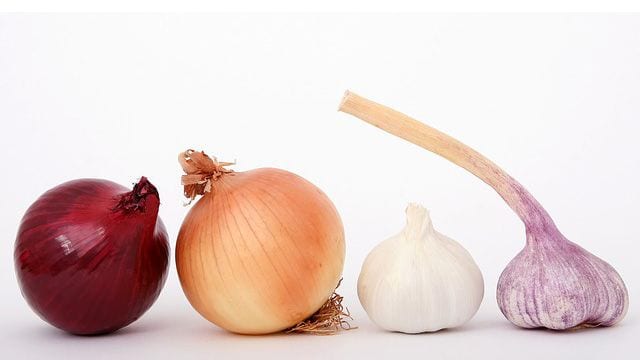
Food waste is difficult to curb. Fruit and vegetable peels are the biggest contributors to this, but food that has gone bad also adds to this. You might think that storing vegetables in the refrigerator is the best way to prolong their shelf life, but if you've ever had to throw out a spoiled veggie before you were able to use them in a dish, even when they were refrigerated, you might be storing them incorrectly.
That's because there are many vegetables that don't need the cold to make them last. Not only that—any bruised part of the vegetable could speed up the process as well.
So, before you toss these fresh vegetables in the chiller, crisper, or the shelves of your refrigerator, take a look at our checklist so that you don't accidentally make these vegetables go bad faster:
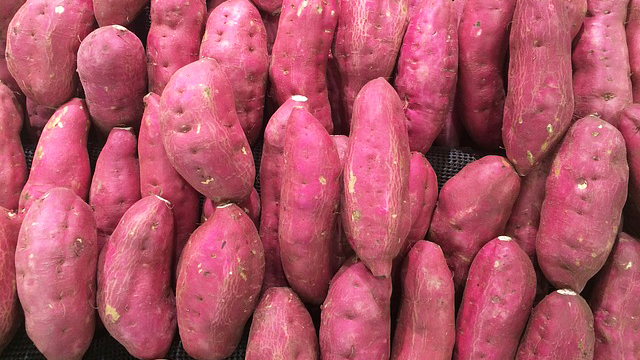
Camote (sweet potatoes and yams)
Pantry storage: 2 weeks
Like potatoes, these root crops need to be stored in a dry and cool place. Allow air to circulate amongst the camote to promote dryness, especially the bruised spots, and prevent wetness. For best results, use within 3 days of purchase.
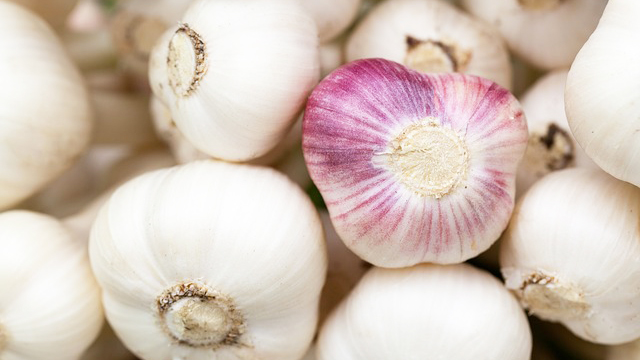
Garlic
Pantry storage: 2 months
Usually stored with the onions, garlic can last quite a long while without refrigeration as long as the bulbs are kept cool and dry. If not used immediately, garlic will begin to dry out, especially once peeled of its protective paper-like outer skin.
What other parents are reading
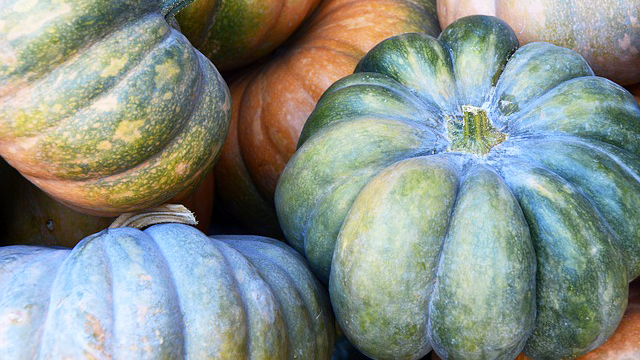
Kalabasa (Squash)
Pantry storage: 3 months
The tough outer skin and flesh of the kalabasa will keep it from spoil, but only if the kalabasa is still whole. Once sliced into, refrigeration will be required to keep it fresh.
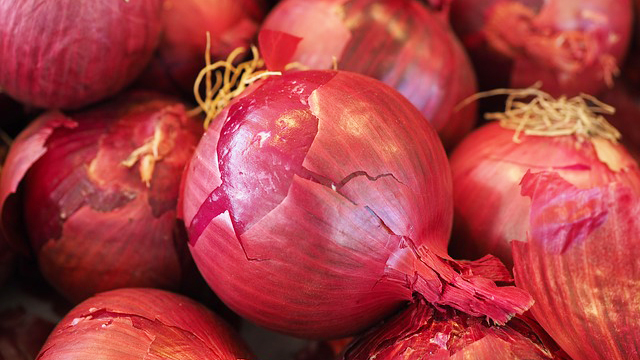
Onions
Pantry storage: 2 months
Onions, whether red, white, or yellow, all have a protective coating to stave off molds. As with the garlic, store in a dry area. Remove the outer layer before using.
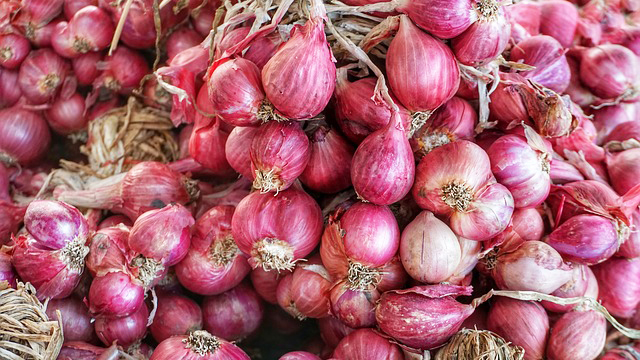
Shallots
Pantry storage: 1 month
If you've ever bought a bunch of sibuyas Tagalog and worried you may never use up the entire bunch within days, don't despair. These bunches will stay fresh for as long as a month. Any that begins to go bad should be immediately removed from the rest of the bunch.
What other parents are reading
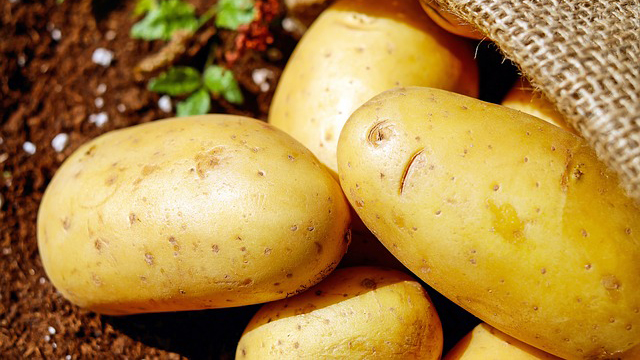
Potatoes
Pantry storage: 2 to 5 weeks
Potatoes can develop not only eyes when stored for too long, but also green spots when exposed to light, and they turn mushy when left wet. These root crops should be stored in a cool, dry area so none of the spuds go bad before you can use them.
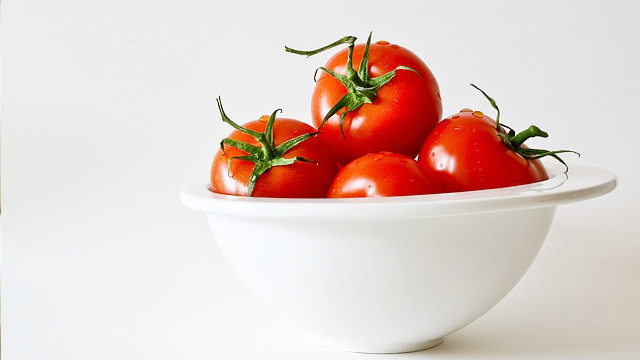
Tomatoes
Want green-tinged tomatoes to get riper sooner? Store these at room temperature until just ripened then use as needed. Once ripened, you'll want to keep any you won't be using within the day in the refrigerator to keep these from ripening further.
Keep
This story originally appeared on Yummy.ph.
*Minor edits have been made by the SmartParenting.com.ph editors.
What other parents are reading

Lorem ipsum dolor sit amet, consectetur adipisicing elit, sed do eiusmod
Lorem ipsum dolor sit amet, consectetur adipisicing elit, sed do eiusmod
