
 First of all, remember what the most important things to save during a fire or flood are: that’s yourself and your family. Nothing could be more important and you shouldn’t risk your life or anyone else’s to retrieve material things. As parents, keep your cool and prepare ahead of time.
Read our articles on preparing for disasters:
Typhoon Preparation & Checklist
Most Recommended Earthquake Survival Advice for Parents
Make a List of Important Family Documents
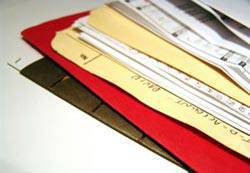
However, if you have time to prepare beforehand, think of all the paperwork and documents that you might want to save in case of a fire or flood. Below is a list of some important family documents that you might want to save:
- Bank account statements, investment records and original share certificates
- Marriage certificates, annulment papers, birth certificates, death certificates, adoption papers
- Identification records (driver's license, permits, passport, SSS card, health card)
- Trusts, wills, powers of attorney and birth certificates
- Titles, deeds, registrations for property and vehicles owned;
- Mortgages and other loan information
- Insurance policies and employer benefit statements
- Medical records
- Credit card statements
- Income tax information (last three years)
- Retirement account statements
- Appraisal certificates for valuables like jewelry, antiques and collectors' items
- Warranties and receipts for major purchases
- Pay slips
- Estate Planning records
- Complete household inventory
- Family photos
Safety Deposit Box or Fire-Proof, Water-Proof Box
Make sure all these documents are placed in a fireproof and flood-proof container. A safety deposit box would be more ideal, especially for hard-to-reproduce documents. However, if that’s not an option for you, then keep it in a container that you or a family member can easily access in case of an emergency exit.
Click here to read about the disadvantages of keeping documents in boxes, the importance of saving family photos, electronic files and having notarized copies of documents.
[previous|page|next]
Read on about the disadvantages of keeping documents in boxes, the importance of saving family photos, electronic files and having notarized copies of documents.
The Disadvantages of Keeping Documents in Boxes
Liz Pulliam Weston of Moneycentral.MSN.com actually advises against “grab and go” boxes for the following reasons:
- Keeping such a box updated would be tedious for anyone.
- You might not be able to retrieve the box at all.
- Keeping all your important documents in one place will also make it easily accessible to criminals.
Save Family Photos: You’ll Miss Them the Most
She mentions in her article that what people miss the most after a disaster aren’t the important paperwork but the irreplaceable family photos and sentimental memorabilia that a family has collected over the years. So, safeguard these treasures by scanning copies and keeping them in an electronic file.
Scan, Save and Keep Electronic, Web-Based Files
Because the possibility of not being able to retrieve your documents might be inevitable, it will also be good if you scan all these documents or keep an electronic file that you can access from a remote location (i.e. you can store it in your web-based email account, just make sure that your provider doesn’t delete old files). This is especially useful for inventories. Transacting online will also save you the trouble of documentation. For example, if you pay your credit card bills online, you will always have a record of your statements and you won’t need a paper copy anymore.
Notarized Copies
Have notarized copies of important papers and make sure they’re kept outside of your house. Notarized copies are sometimes accepted as valid documents.
After a Flood
If you are able to retrieve documents from a flood, make sure you don’t blow-dry them to get them dry. Don’t stack them as well because they are sure to get stuck together. Just lay them out in the sun to dry.
Sources:
- How to Keep Important Documents Safe From Flood Waters from eHow.com
- Emergency planning: where to keep your important papers from TheFreeLibrary.com
- 5 ways to save your papers in a natural disaster by Liz Pulliam Weston from MoneyCentral.MSN.com
Photo from sxc.hu

Lorem ipsum dolor sit amet, consectetur adipisicing elit, sed do eiusmod
Lorem ipsum dolor sit amet, consectetur adipisicing elit, sed do eiusmod
