 For devoted parents, cleanliness is not just an obsession; it’s a way of life. If you have little tykes roaming around your home, there is no such thing as “too clean.” You need to make sure every speck of dust and stain is scrubbed and spotless.
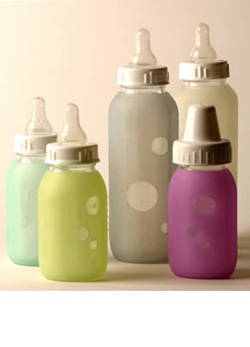
Baby bottles
Sterilizing before every use is very important during the first three to six months. Soak the bottle immediately after your baby is done with his feeding so the formula would be easier to rinse out. When cleaning, pay special attention to the collar (that part where the cover is screwed onto the bottle), as it is often ignored but can collect bacteria over time and neglect.
Invest in a bottle drying rack to keep your bottles and other feeding paraphernalia organized, sealed, and protected from dust and roaches.
Car seats and strollers
It’s best to clean and air-dry car seats and strollers outdoors and not in an enclosed space. The cleaning process can be quite complicated, so we’ve broken it down into these steps suggested by Marie Gonzales, mom to Annie, 7, and Natalie, 2.
STEP 1: Place the seat or stroller on an old blanket in your garage or backyard. Run a vacuum cleaner all over the surface, including every tiny crevice and space. Pat off excess dust.
STEP 2: If the seat is detachable, take it out. Scrub off accumulated dirt and food particles, and wash with gentle soap and cold water (warm or hot water might cause it to shrink). Hang the seat to dry.
STEP 3: When dry, run the vacuum over it once again to remove dirt.
STEP 4: Wipe the stroller tray, armrests, the bottom part, and other plastic or metal parts with a sponge, multi-purpose cleaner, and de-greaser, as these places collect.
Click here to learn more about how to deal with dirt culprits.
[previous|page|next]
Read on to learn more about how to deal with dirt culprits.
Get stain-smart!
How to remove stubborn stains on baby gear:
DIRT CULPRITS: Baby poop and baby formula
First, scrape off and toss solid poop into the toilet bowl and flush. Soak the soiled diaper or clothes for half an hour in cold water with detergent.
Wash with warm—not hot—water, rinse, and repeat. Do not scrub as this action may cause the dirt and germs to spread.
DIRT CULPRITS: Food stains
Using bleach to scrub out colored food stains is okay with whites, but it might backfire if the stain spills onto colored clothing.
Try mixing half a cup of Borax with lukewarm water and soak the soiled diaper for a few minutes to half an hour.
Wash using a mild laundry detergent, then rinse, adding a little bit of vinegar to get rid of detergent residue. You may also use baking soda to soften the fabric.
For oily food stains on baby’s clothes, use talcum powder or cornstarch to first absorb the oil before washing. Vinegar is a great stain-removing aid. This is especially so for juice, fruit, berry, and jam stains or spills, says Stacie McClintock, author of Baby Stains: A Guide to Removing Baby Stains
DIRT CULPRITS: Medicine stains
Sarah Aguirre, a writer who specializes in helping families clean and organize their homes for About.com, suggests the following:
1. If the fabric hasn’t completely absorbed the medicine, scrape off the excess fluid first.
2. Sprinkle baking soda on the stain to absorb oil. Let it stay for at least 10 minutes, then brush off the dried up residue.
3. Soak the soiled fabric in warm or hot water with detergent or dishwashing liquid for a few minutes, wash, and rinse. Repeat if stain still won’t come off. the most dirt. Scrub well to remove stubborn stains and excess dirt.
Click here to learn more cleaning tips.
[previous|page|next]
Read on to learn more cleaning tips.
STEP 5: Wipe the surfaces dry using a clean rag.
SMART TIP! Don’t forget to clean the area of your car where you usually put the baby car seat.
Highchair
Feeding time with a toddler isn’t exactly a smooth ride. Your little tot loves playing with food, resulting in a very messy highchair.
STEP 1: Wipe the chair clean after each meal, even after snacks. This prevents food from sticking to the chair’s surface and setting up camp in hard-to-reach nooks and crannies.
STEP 2: Scrub the dirty areas with baking soda and water. It will diffuse odors and leave the plastic surface squeaky clean and safe, too.
To clean hard-to-reach crevices, use an old toothbrush dipped in a water and detergent mixture.
STEP 3: Wipe dry with a clean rag.
Stuffed toys
Hand-wash using cold water and mild soap or detergent, hang dry, and vacuum off excess dirt. Tossing stuffed toys into your washing machine may be an easy way, but it’s not the most hygienic option. Moreover, it may likely cause damage to your child’s furry pals.
Rubber toys
Molds and mildew breed in wet rubber toys, so these deserve special attention. Let each bathtub toy air-dry completely after every use. Shake off and squirt water inside any hollow rubber toy.
Use a bath toy net or holder with holes to drain them. Using a clean scrap cloth, wipe off dust or water.
Soak in water with baby soap or dishwashing liquid, rinse well, and wipe dry. Clean every two to four weeks.
Click here to learn more cleaning tips.
[previous|page|next]
Read on to learn more cleaning tips.
The walls
Babies and toddlers love putting their hands on anything they can touch; and one of the more seemingly innocuous surfaces are the walls of a room. Chiqui Tan, 33, mom to Matthew, 3, makes sure the walls her son can reach are regularly wiped clean. Everyday routine cleaning is necessary to avoid build up of dirt. This also makes major cleanups less daunting.
Clean painted walls with sponge and all-purpose cleaner. Or you can concoct a homemade solution using vinegar, ammonia, baking soda, and warm water. Make sure you put on rubber gloves to protect your hands. Open all the windows and doors to air out the smell.
Board books
Books are dust collecting items. Dust them off first before wiping them clean with a rag. Donít use soap or detergents, as toddlers tend to bite on the pages.
Be thorough; swipe the front and back covers and each page.
Diapers and baby clothes
Wash your baby’s items separately from your clothes. Baby skin is sensitive and your clothes may carry dirt and bacteria that may be harmful to your little one.
Fabric softeners might be harsh on your baby’s skin. Some may come formulated with perfume that may cause allergies or rashes. Choose the scent- and dye-free variant. Soak and wash clothes with a mild detergent.
Do not use hot water as it may cause stains and dirt to cling to the fabric. Air-dry or hang to dry under the sun to get rid of germs.
Click here to see a list of useful cleaning tools.
[previous|page|next]
Read on to see a list of useful cleaning tools.
Nifty cleanup knickknacks
BABY WIPES
These alcohol-free wipes can do double (or even multiple) duty: Cleaning your child’s fi ngers in a jiffy; wiping off dirt in other parts of the body; or getting rid of that nasty food stain.
Try this trick: To get rid of a particularly oily stain, place a dry tissue under the stained fabric and put a wet sheet on top of the stain, then press gently but firmly.
COTTON BALLS/SWABS
These are softer than tissues and are gentle on baby’s skin, especially if you need to wipe off wet dirt and stains.
ALCOHOL-FREE HAND GEL
It works on stains and surface dirt, too.
Just make sure the soiled item is thoroughly dry and wiped clean before letting your baby or child use it again.
GOOD FOR BABY
Fellow moms reveal surprisingly baby-friendly cleansing aids:
PEANUT BUTTER
“It’s more than just a favorite bread spread—it can also be used to wipe off ink stains from plastic baby dolls and toys.
Just scoop a teaspoonful, wipe over the stain with paper towel, rinse with baby soap, and voilá!— nasty blot is gone.” – Rose Chong, Pasay City, mom to Eden, 3, and Patrick, 1, Pasay
VINEGAR
“Dilute with water and it can act as a more eco- and baby-friendly counterpart to bleach.
Plus it can double as a cleaning aid for other household stains. It can also help eliminate odor. Store the vinegar-and-water mixture in a handy spray bottle.” – Tina Garcia, Marikina City, 6 months pregnant
SMART TIP
Always check the labels of cleansing aids and look for the term “non-toxic” to make sure it is baby-safe.
If you’re still feeling unsure, consult your pediatrician.
Photo from flickr.com
SOURCES:
? Baby Stains: A Guide to Removing Baby Stains by Stacie McClintock
? Sarah Aguirre, housekeeping writer for About.com
? Mom panel: Chiqui Tan, Marie Gonzalez, Rose Chong, Tina Garcia

Lorem ipsum dolor sit amet, consectetur adipisicing elit, sed do eiusmod
Lorem ipsum dolor sit amet, consectetur adipisicing elit, sed do eiusmod