A study recently revealed that autism cases may drop based on the new criteria used for diagnosing autism. The new diagnostic criteria, referred to as DSM-5 (Diagnostic and Statistical Manual of Mental Disorders, Fifth Edition), released by the American Psychiatric Association (APA) has been criticized for removing certain subcategories of autism from its earlier edition (DSM-4).
If the new criteria were to be applied to 6,577 children who previously met the guidelines under DSM-4 for autism and related disorders, 19 percent would not get an autism diagnosis today. This would mean that families who used to rely on and benefit from the autism diagnosis may no longer do so if their child does not meet the new criteria.
“The things that would indicate early developmental delays are going to be the same,” adds Matthew Maenner from the National Center on Birth Defects and Developmental Disabilities.
The new guidelines use seven instead of the previous 12 to define autism and associated disorders. It also looks into the historical behavior of the patient, together with his current behavior.
Related stories:
• Checking Your Child for Autism
• All About Autism Spectrum Disorder
• How We Learned that our Daughter has Autism Spectrum Disorder
[previous|page|next]
Children who may have not been diagnosed with autism before under DSM-4 may now be included based on DSM-5, which would also mean that the symptoms were not recorded. “This means, you don’t have the behaviors now, but you’ve had them in the past,” clarifies Catherine Lord, director of the Center for Autism and the Developing Brain.
Certain disorders such as Asperger’s and milder autism disorders like PDD-NOS (pervasive developmental disorder) were taken out from the criteria’s original subcategories and grouped together under one diagnosis.
Related story: Dad we Love: Adel Tamano
“What DSM-5 is trying to do is say there are common dimensions among people with criticism that may be manifested in different ways,” explains Lord. “You may see something different in a child of 2 than you do in a person at age 35. But they share, for example, things like deficits in nonverbal communication.
Maenner does, however, note some problems it may pose for parents. “From my perspective, as a professional and as a parent, it will definitely mean that those children and adults who are more mildly symptomatic might not get a diagnosis, which means they will not receive appropriate services,” posits
“Parents have no reason to be concerned about the findings of this study which is not about re-diagnosing people or taking away their diagnoses,” reassures Dr. Brian King, director of the Seattle Children’s Autism Center and director of child and adult psychiatry at the University of Washington and Seattle Children’s Hospital.
Sources:
• January 22, 2014. Alexandra Sifferlin. “Autism Cases May Drop Under New Diagnostic Criteria” healthland.time.com
• January 25, 2014. Deltha Ricks. “Autism diagnoses may decrease with new criteria” newsday.com
• January 25, 2014. Shereen Jegtvig. “New criteria could set a higher threshold for autism diagnosis, experts say” medcitynews.com
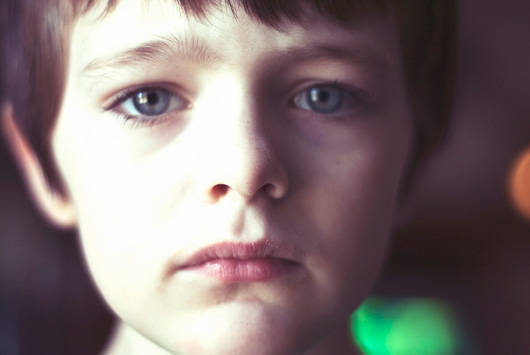
Photo by Lance Neilson via flickr creative commons

Lorem ipsum dolor sit amet, consectetur adipisicing elit, sed do eiusmod
Lorem ipsum dolor sit amet, consectetur adipisicing elit, sed do eiusmod