
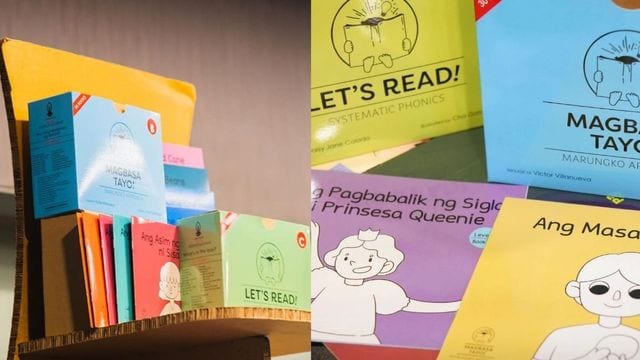
Lampara Publishing House, Inc. unveiled the Philippines' first set of locally produced decodable books at the opening of the 2024 Manila International Book Fair in Pasay City.
The local publisher's initiative, Lampara Reads, offers 150 decodable books written in Filipino and English, designed to support young readers who have yet to develop literacy skills. This collection includes two series: Magbasa Tayo! (Marungko Approach) and Let’s Read! (Systematic Phonics).
Lampara Reads also aims to address the reading crisis in the Philippines, as highlighted by recent studies on Filipino children's reading habits. The 2023 National Readership Survey (NRS) underscores this issue, showing a decline in leisure reading among Filipinos, with adult readership falling from 54% in 2012 to 42% in 2023 and children's readership at 47%. This decline is primarily due to limited access to books and insufficient awareness of public libraries.
ALSO READ: 5 Ways to Make Kids Who Don't Seem to Like Books Grow Up to Love Reading
What are Decodable Books?
Decodable books are specially designed for early readers and contain text that aligns with the phonics skills students have learned. These texts help children practice their ability to sound out words, thereby building their reading fluency.
By focusing on grapheme–phoneme (letter-sound) correspondences, decodable books encourage children to decode words rather than guess them from pictures or other cues. This approach is crucial for developing independent reading skills.
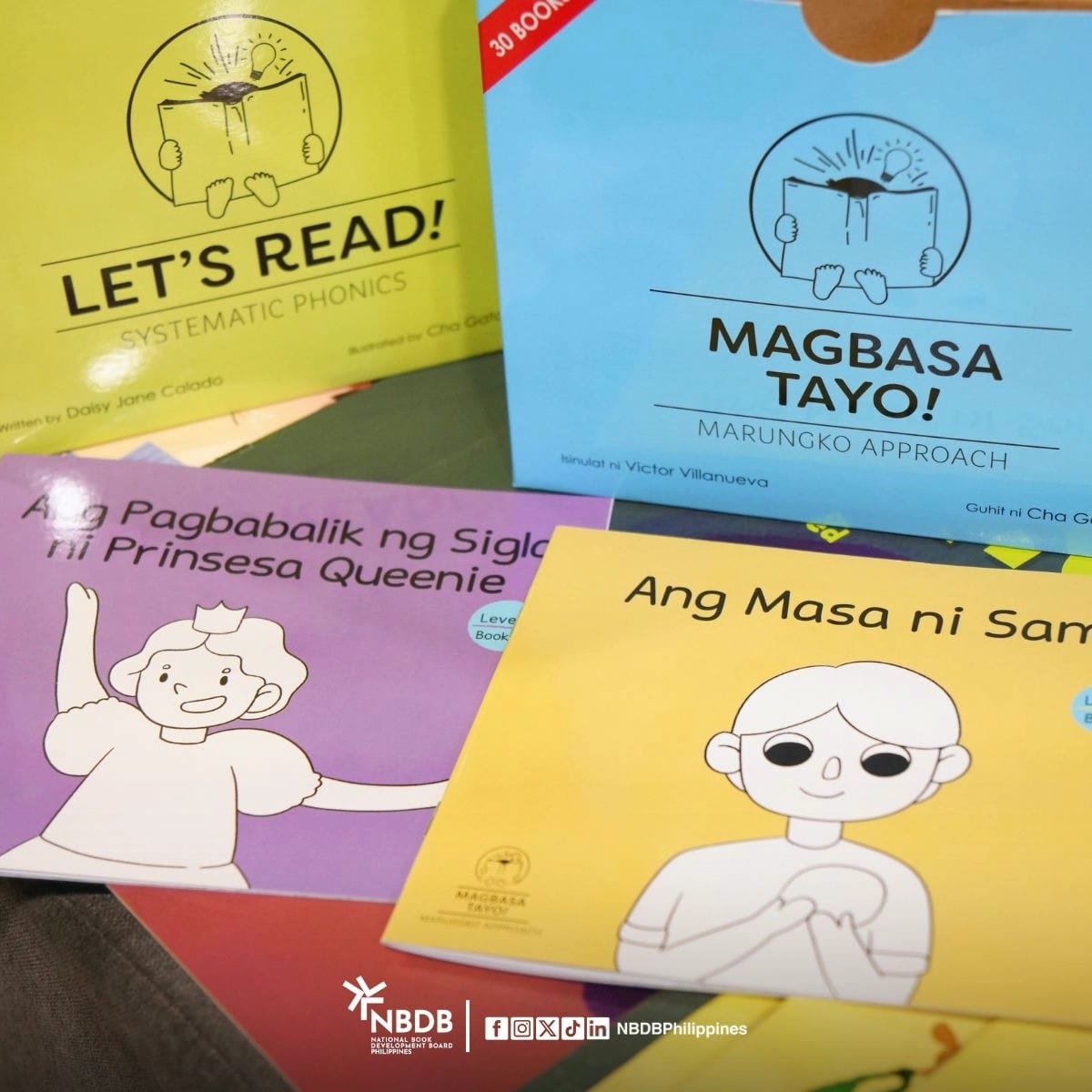
Decodable Books vs. Predictable Books
Research underscores the significance of decodable books in early literacy. Unlike predictable books or texts that may rely on high-frequency words or unfamiliar letter-sound correspondences, decodable books focus on words and sounds that children have already learned. This helps build reading confidence and fluency by reducing the frustration of encountering unknown elements in texts.
The simplicity of decodable books often serves as a motivational tool, helping children develop reading confidence as they successfully navigate through the text. Although some critics argue that decodable books may have limited vocabulary and simple storylines, research indicates that these texts still provide valuable reading practice and can be more engaging for young readers.
Decodable books are a vital component of early literacy education, but they should also be complemented by high-quality children's literature that introduces more complex vocabulary and sentence structures. This balanced approach ensures that children not only develop essential decoding skills but also experience a rich and diverse reading experience.
Click here for tips on fostering a reading habit in preschoolers.
More from sp

Lorem ipsum dolor sit amet, consectetur adipisicing elit, sed do eiusmod
Lorem ipsum dolor sit amet, consectetur adipisicing elit, sed do eiusmod
