Jomike Tejido Brings Paper Robots Back to Filipino Childhoods
With his daughter now seven, Tejido relaunched Foldabots so she could experience the same crafts he loved as a child.

Published on Oct 13, 2025
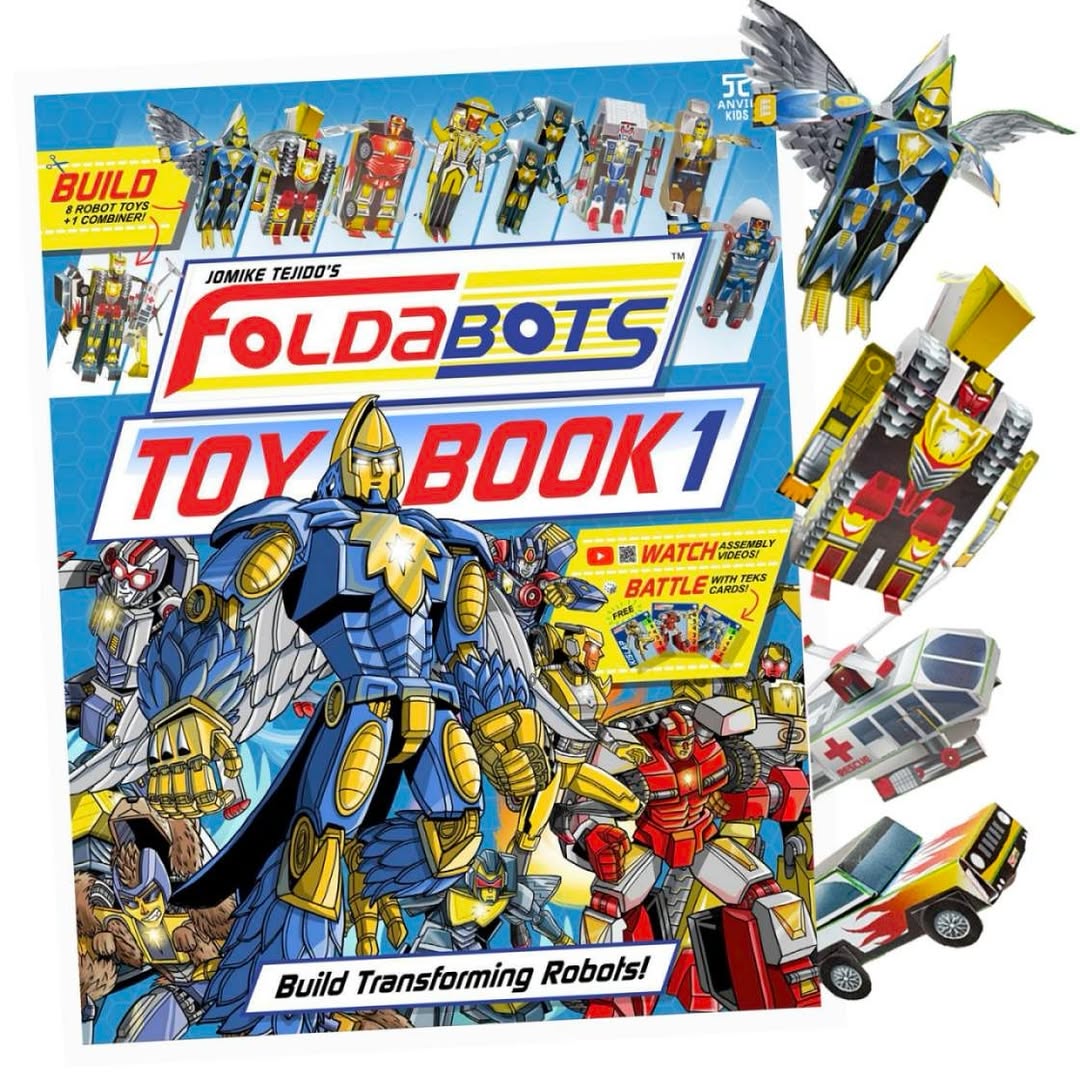
Foldabots, the paper robot series that defined a generation of K-Zone readers, is making a comeback. Created by Jomike Tejido, a dad and architect-turned-children’s book author-illustrator, the DIY toy line began as a childhood hobby he started in third grade and later brought to print.
Foldabots first appeared in K-Zone Philippines, a Summit Media title filled with comics and hands-on activities before ending its print run in 2017. Now the series returns as Foldabots Toy Book 1, published by Anvil, bringing paper robots to new readers and delighting longtime fans.
From Childhood Hobby to Magazine Series
Long before Foldabots became a staple of Filipino childhood, Jomike Tejido was making his own toys from paper.
“Foldabots started as a personal hobby of mine as a kid in third grade, where I made robot toys out of old folders,” Jomike told Smart Parenting. “Fast forward to my early 20s when I found my uncut toy patterns by accident while cleaning up my room, I was reminded of how I used to make them for myself. With that idea, I took a chance to submit it to K-Zone as a proposal to be a monthly cut-out robot series, just so I could go back to my childhood hobby of making robots. The rest is history.”
He coined the name Foldabots, a nod to the folder-made toys he brought to life, and began designing robots with playful Filipino touches. The first Foldabot, Buhawi, debuted in May 2006, followed by Astig, Kislap, Tutubi, and many more.
“They were originally all hand-drawn using tech pens and rulers, then colored digitally in Photoshop. This made it easier to edit, allowing me to redo patterns and match colors between the toys and robot art,” he said, talking about the early design process.
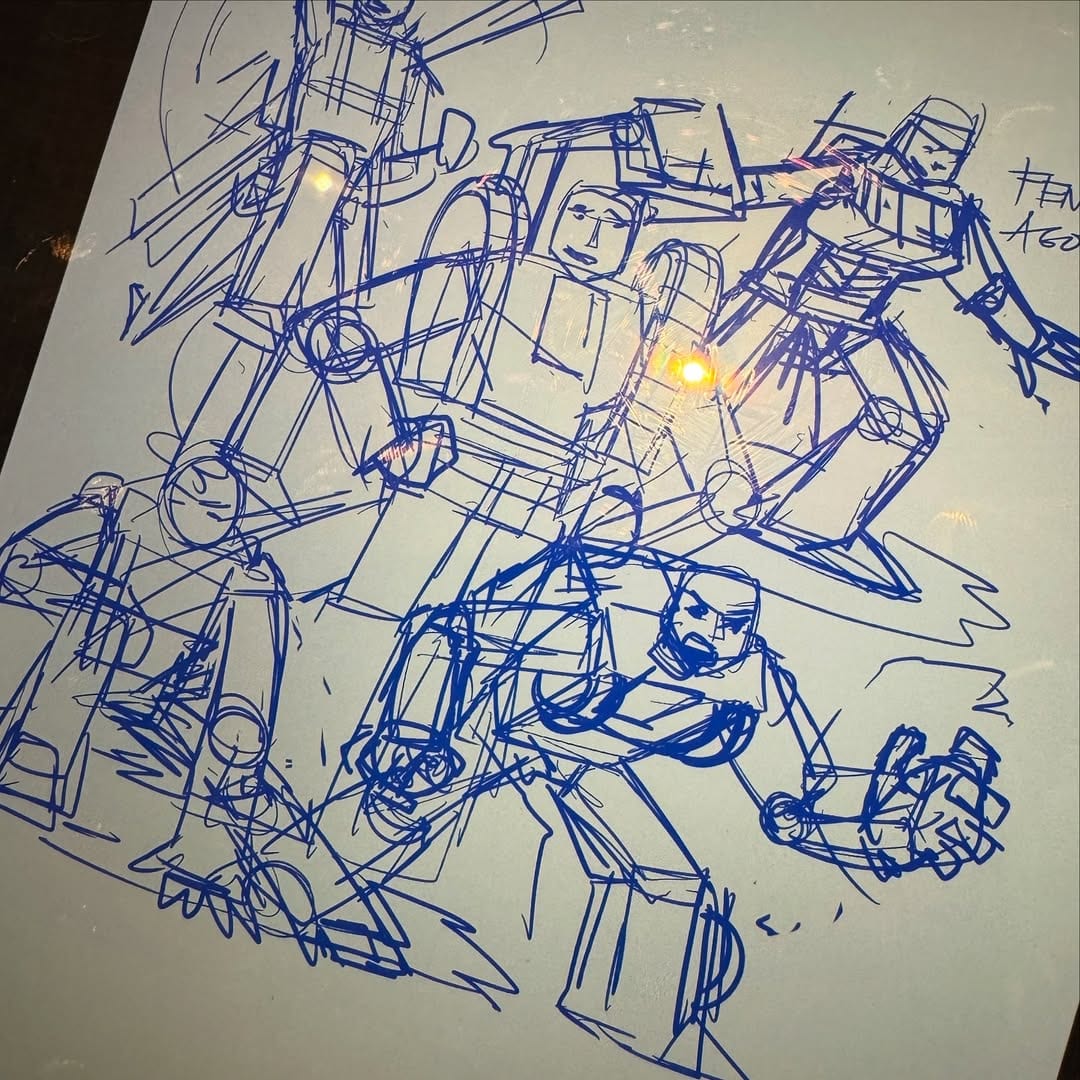
Back then, each robot began as a hand-drawn illustration on A4 paper, which he just scanned and colored digitally. Today, Jomike works entirely paperless on Procreate with an iPad. “Only the patterns still remain in Photoshop, as they require more attention on alignment and outlines,” he added.
Despite changes in technology and workflow, Jomike said one thing has remained constant. “Each toy is made with care and love for the craft, by trial and error, building and assembling just like I did when I was a kid.”
Here’s How to Respond When Your Toddler Shows You Their ‘Art’
You can’t just say ‘Wow, ang ganda!’ according to art teachers.
READ HEREInfusing Filipino Culture and Values
Each Foldabot came with a short comic that expanded its world. Set in a futuristic Manila called Neo-republika, the robots battled pollution-based villains like Rumbado, a smoke-belching bus robot; Tipaclone, a mechanical grasshopper; and Gahaman, a greedy leader destroying forests.
From the beginning, Jomike didn’t just want Foldabots to be fun; he wanted it to teach something, too. The comics wove in themes of environmental responsibility without taking away from the action.
Jomike shared, “The robots fight evil robots that spread pollution. The environmental theme of the comic aims to provide Filipino kid readers a very local ‘what-if’ scenario that is relatable yet fictional, based on a toy series that a Filipino just like them created. I always hoped it would be a springboard for a young reader to be inspired to be creative as well.”
The Foldabots drew inspiration from Philippine nature and mythology, not only in their world-building and characters, but also in how they taught kids Tagalog words through association. “I aimed to infuse Filipino culture into the robot names so that kids would take an interest in the language and be inspired to learn the meanings of the words,” Jomike explained.
“Even at the time when K-Zone was being published, it had 95 percent of its content in English and all series creators were foreign IPs focusing on games, cartoons, and movies. I wanted to provide a Filipino creation that would be at par with these in terms of coolness and innovation.”
Bringing Foldabots Back
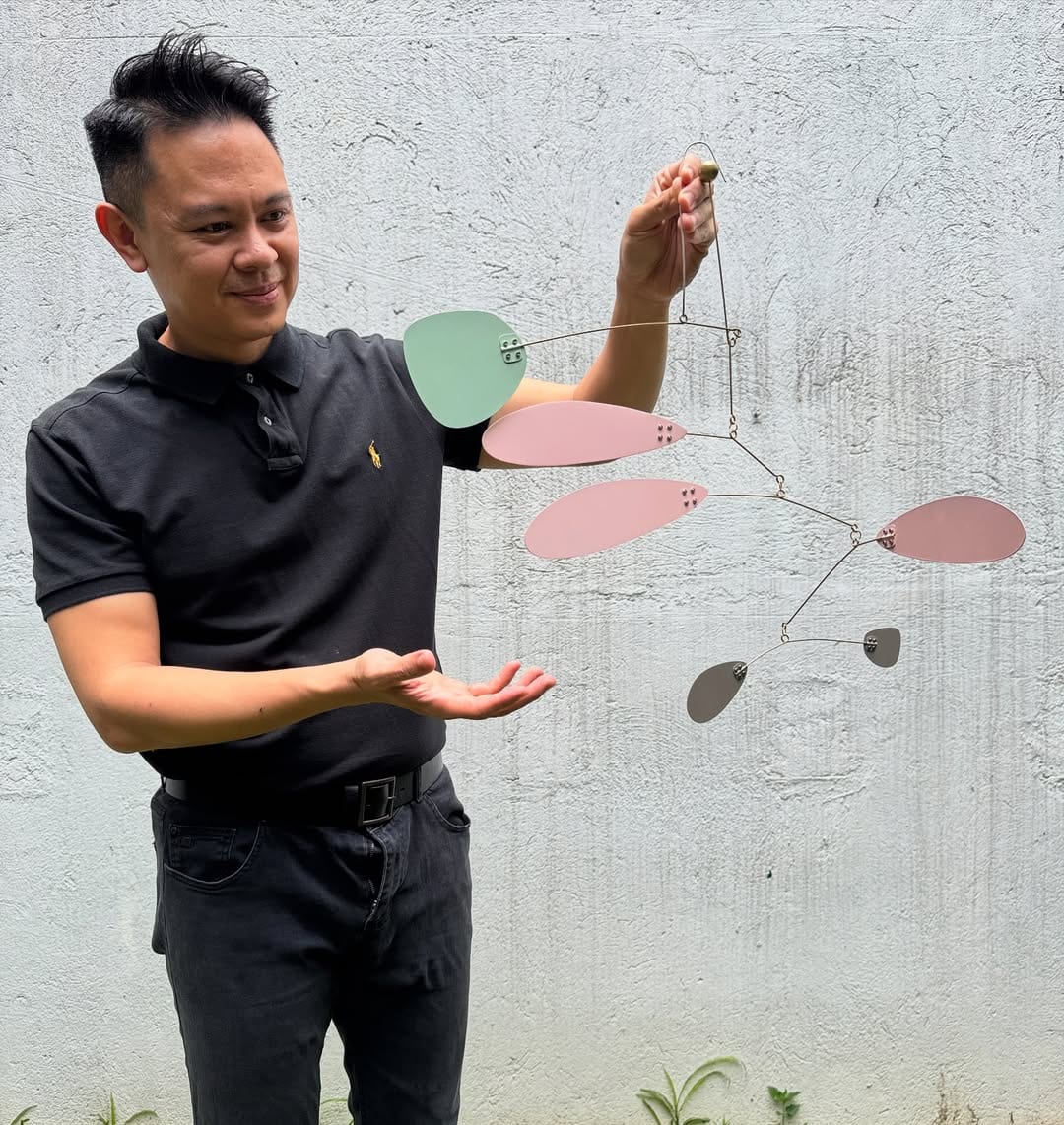
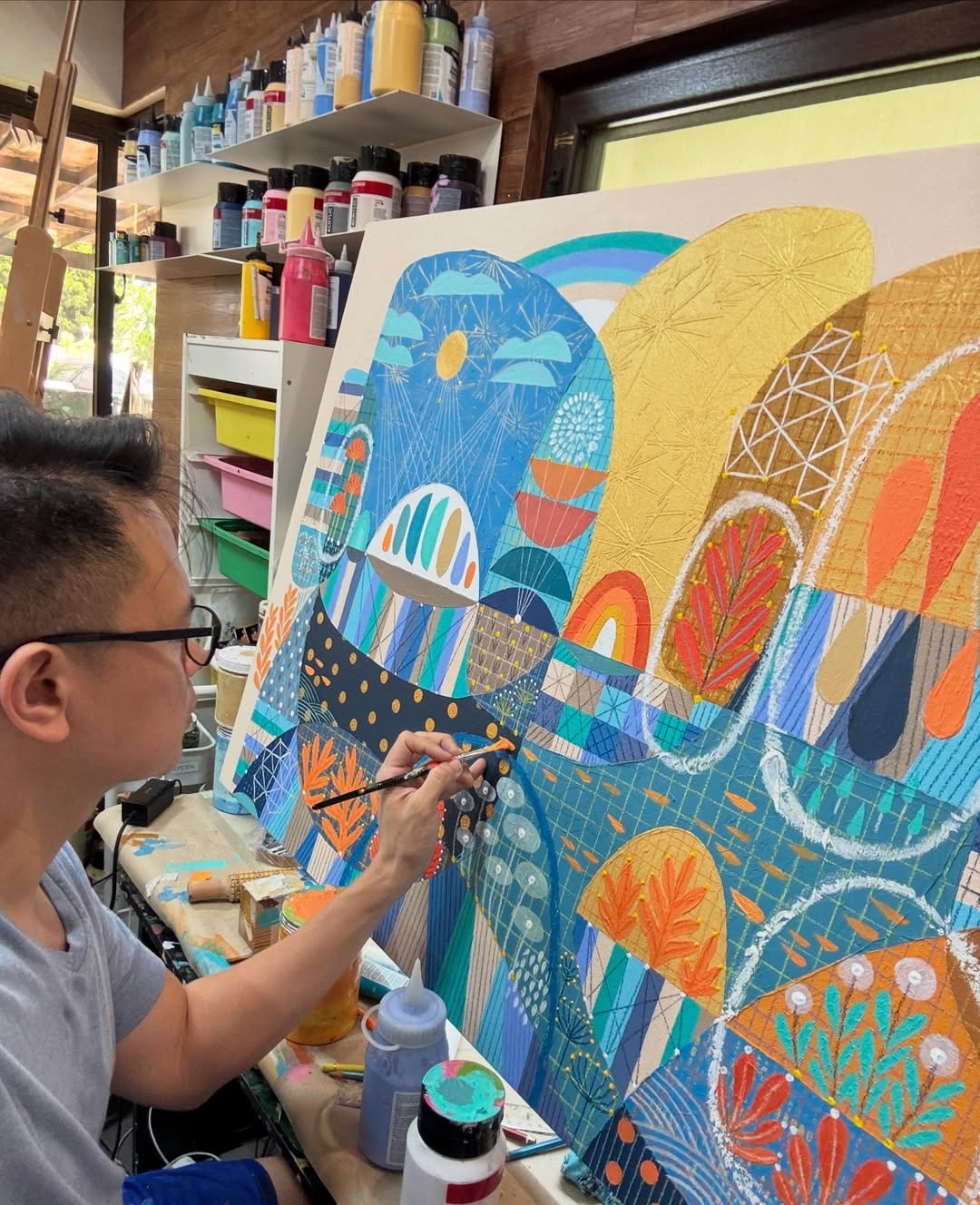
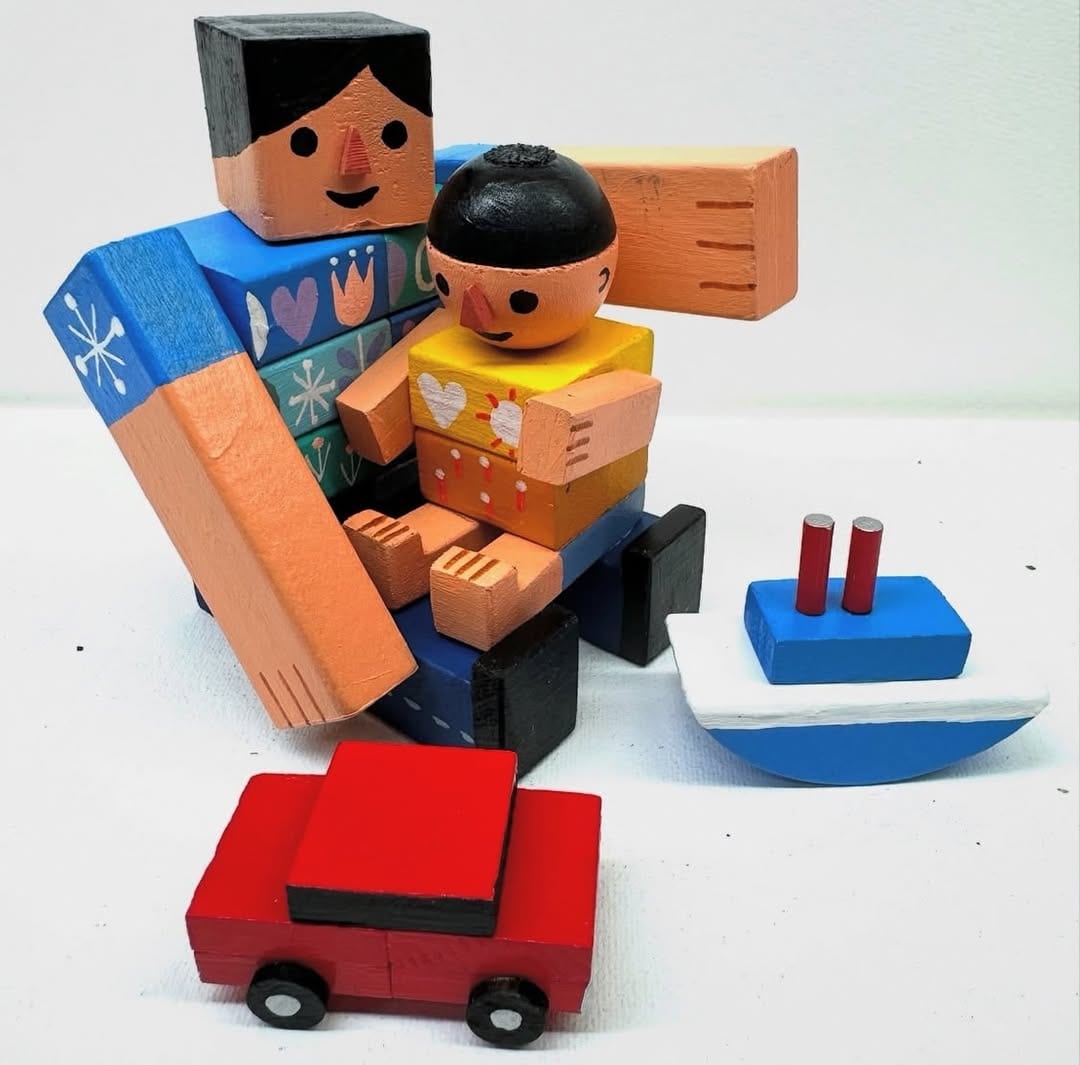
The Foldabots run spanned more than a decade and concluded in 2017. Afterward, Jomike worked in different mediums—picture books, paintings, and sculptures—while still finding ways to revive Foldabots.
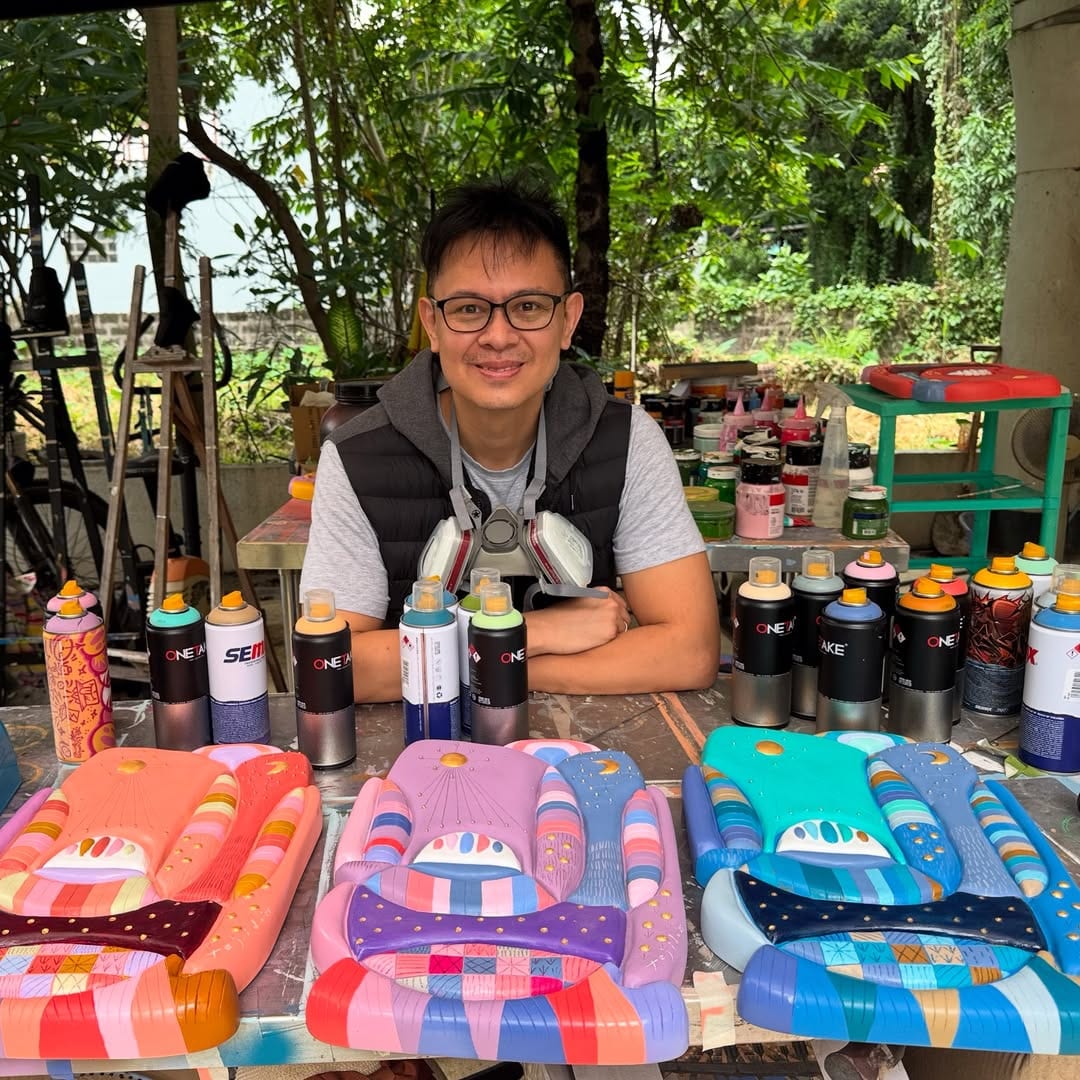
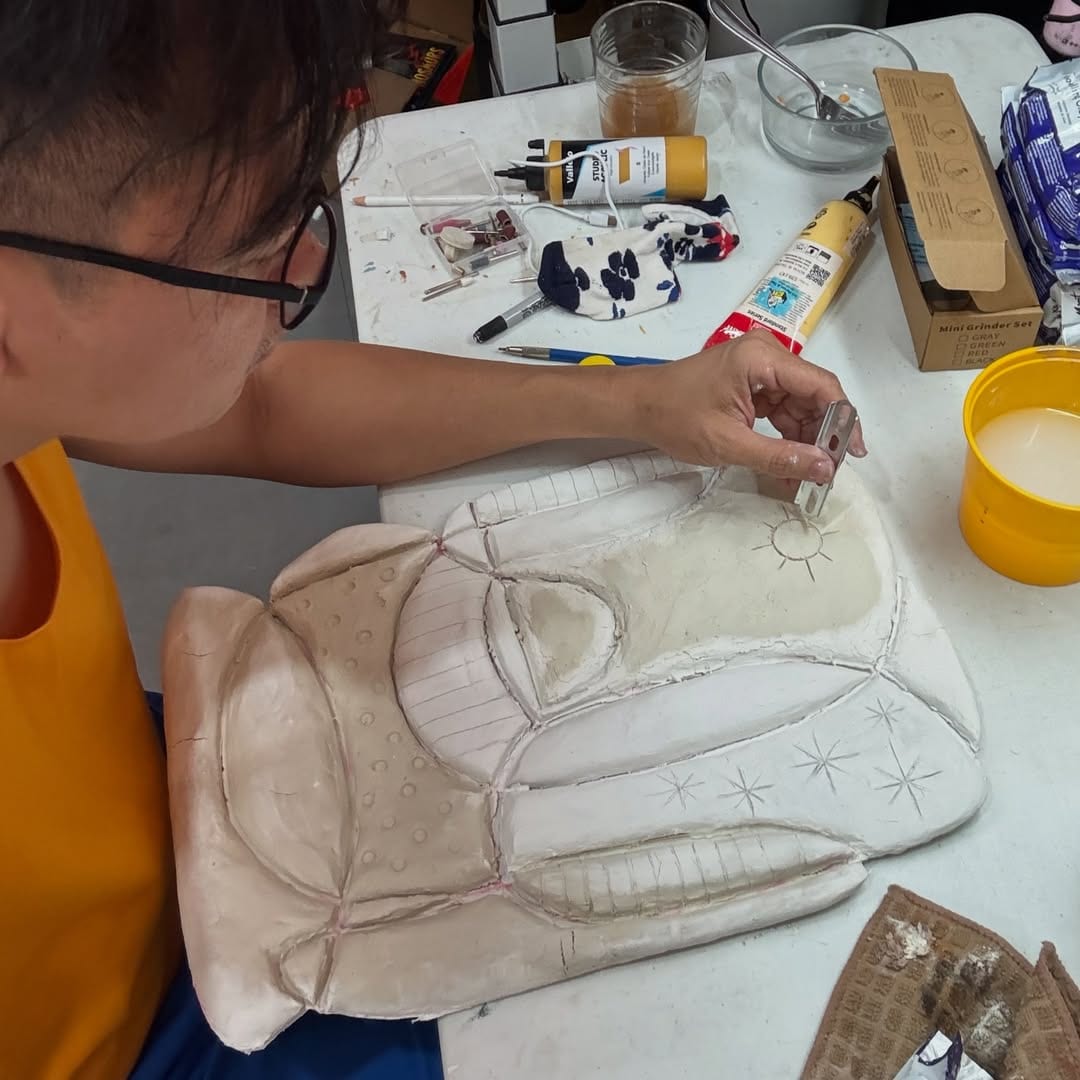
In 2024, he held a solo exhibition titled The Manifesto of Play, accompanied by a coffee table book of the same name. He also showcased resin bas-relief sculptures at the 2025 Modern and Contemporary Art Festival (MoCAF) in Bonifacio Global City, reflecting his architectural background and passion for illustration.
Instagram/ @jomiketejido
Instagram/ @jomiketejido
Instagram/ @jomiketejido
Instagram/ @jomiketejido
Instagram/ @jomiketejido
photos to expand
However, Jomike’s motivation for reviving Foldabots in 2025 is rather personal.
“I wanted the series to be back because my bunso, my daughter, is at the exact age—seven years old—for independent cutting and gluing. She has shown interest in making things from origami to various crafts since the quarantine years. Since I have always wanted it to have a comeback since K-Zone stopped, it might as well be now so she can experience something I built way before she was even born,” he said.
Now, the Foldabots make their official return through Foldabots Toy Book 1. The book features eight robots and one combiner ready to be built, complete with streamlined assembly instructions, QR codes that link to video guides, and refreshed designs of fan favorites. It was launched on August 30 at a bookstore in Quezon City.
.jpg)
But more than the comeback itself, what makes this project special is the heart behind it, shaped by Jomike’s experience as a dad and the involvement of his daughter, Fuji, in the creative process.
“As a parent to a little girl, I was able to kid-test the robots before re-publication. I noted points where things became difficult to build. I also changed some transformations, like the dog Foldabot, Bangis, so he will be like our own dog, who she loves to play with. Apart from that, the succeeding books will have more female robots for characters that kids like my daughter can relate with,” he shared.
“It also inspired me to make videos of assembly since I noticed how she likes watching how-to videos of drawing and making things. I believed that something released at this time should be in an organized YouTube channel. This led to my scannable QR codes that accompany each robot so kids—and parents—can watch for an easier time to assemble,” he added.
Still, the heart of Foldabots remains the same: a back-to-basics craft that nurtures creativity and fine motor skills. The book even revives the classic Filipino teks cards, now reimagined as a battle card game.
5 DIY Crafts That Will Turn Your Kalat and Old Things into Useful House Items
You can recycle old boxes, scraps of wood, and old magazines!
READ HEREThe dad of two also shared how he encourages creativity with his kids: “I encourage creativity at home by drawing with my kids and generally making fun stuff, like active toys you can build and play with after. I see to it that there are always art materials within reach. The mess it creates is horrendous, but I think the effects it has on my child’s dexterity and creativity will outweigh the domestic disarray.”
Lessons From the Foldabots Journey
Reflecting on the long journey of Foldabots, Jomike said one of the biggest highlights has been its community of fans. He’s grateful for the supportive group that keeps the Foldabots spirit alive through the Foldabots Official Facebook Group, now run by former kid fans who have grown into admins in their 20s. They help keep the space safe and welcoming for builders of all ages.
Beyond the online community, Jomike treasures the connections he’s built with fans over the years. “I get a lot of personal messages from kids who thank me for giving them inspiration, for providing a happy childhood, for making a way to meet friends for the same interests, for making them realize na ‘kaya ko pala!’ and even those who do not write to me but SHOW drawings of how they learned to draw by copying my drawings, which served as guides,” Jomike said.
His biggest advice for aspiring creators is simple: start now and keep adapting. “My self-taught lesson is that if you have an idea, just go ahead and make it! Let nothing stop you, even if you think you are unready for it. Great creations sometimes come from awkward stages, that are slowly kneaded until they ripen to their final form. And just like Foldabots, always be willing to change and adapt as you go along.”
Our Top 7 Children’s Books Where Dad Is the ‘Bida’ (Daddy-Kid Cuddle Time!)
Dad is the main character in these children’s books that are perfect for read-aloud sessions.
READ HEREDiscover how you can nurture your child’s creativity like these parents did for their little artist here.
Hanna is a News Desk Writer at Smart Parenting, covering parenting, health, culture, and more. Off the clock, she’s likely people-watching at a café or park, matcha latte in hand.