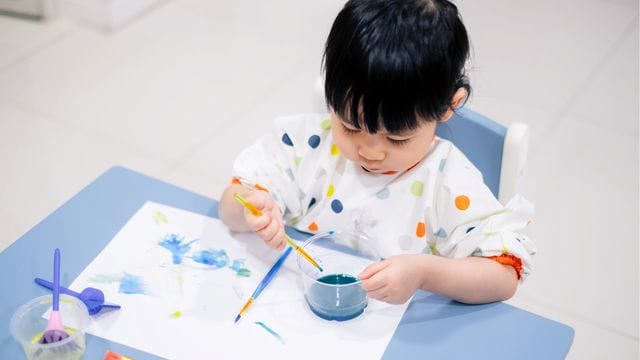
Having a child is an opportunity to explore your interests again. As a frustrated artist, I have loved drawing or painting sessions with my child ever since she learned how to hold a pencil. Drawing is a great pastime that will keep kids entertained without screens. I still remember the first time my daughter created a masterpiece—I was frying fish for dinner and needed to keep her busy, so I handed her a notebook and some pens. She has never stopped drawing since then.
View this post on Instagram
How to respond to your toddler when they show you their scribbles
What happens after they create their art matters more than we think. On TikTok, an art teacher explained how a parent's response to a young child's art can boost their self-esteem. Susan Striker, author of the Anti-Coloring Book series, suggests that instead of saying, 'Very pretty, honey,' and then throwing the artwork away, there's a better way to respond.
"Diagonal lines! Oh, aren't you smart, sweetheart? You made a diagonal line! And look at this, a curved line and a straight line, you are so clever. I see a horizontal line; you're a genius! Are you sure you're only three?" Striker shares in the video while holding up an artwork.
She recommends pointing out specific elements in the drawing instead of assuming or interpreting what the child has drawn. "Don't tell them that what you see is a wheel," she says. Try describing it as it is and say, "This is a round shape."
A parents' guide to talking to young children about art
Smart Parenting spoke with Cathy Ongteco, an art educator and founder of Art Burst PH. Having taught students of all ages and abilities for over 15 years, Ongteco agrees with Striker’s approach.
"This method is highly effective for Filipino children as well. In my experience, Filipino kids thrive when their efforts are specifically acknowledged. This need for validation extends beyond childhood, teenagers and adults appreciate when their hard work is recognized," she shares.
She adds, "Instead of generic praise like “Good job!” highlighting certain details in their work resonates more deeply. It reinforces learning, boosts self-esteem, and nurtures their creative journey. This approach goes beyond cultural boundaries and is universally effective in encouraging artistic growth."
Here are some tips Ongteco shares with parents:
1. Focus on the process, not the product.
Rather than judging how a drawing looks, focus on your child’s effort, curiosity, and creativity.
Instead of saying: "That’s so nice!" or "Wow, great drawing!" or "Is that a dog?"
Try these instead:
"I see you had fun making this! What was your favorite part?"
"Wow, you've made lots of circles and zigzags on her dress, like a fashion designer! What were you thinking while drawing these?"
"You used so many lines and shapes; your pencil was really at work! What were you trying to show?"
2. Encourage kids to tell their story.
Asking open-ended questions allows children to express their thoughts instead of having their art interpreted for them.
Instead of saying: "What is it?" or "Is that a cat?"
Try these instead:
"Tell me about your drawing! I'd love to hear the story."
"I see lots of curvy, wobbly lines, what's happening in this picture?"
"It looks like you spent a lot of time on this part; it looks really special! Can you tell me more about it?"
3. Give visual feedback.
Striker emphasizes that scribbles aren’t just random doodles—they’re an early introduction to fluency and literacy. Ongteco suggests using art as a learning opportunity to help kids develop an artistic eye and connect their work to the real world.
Instead of saying: "Good job,"
Try these instead:
"Wow, I love the reds and yellows you used. Nice color combination."
"Where else did you see red and yellow together? Maybe like McDonald's? They also use red and yellow like you! Cool, right!”
4. Avoid comparison with another sibling's or child's work.
Every child has a unique artistic style and learning pace. Comparing them to siblings or peers can create insecurity. Instead, celebrate their progress.
If you have two children, say one is six years old, and the other is three, you can talk to them both about their artwork in a way that acknowledges their efforts:
To the 3-year-old: "You finished your mermaid art, it really looks like she’s underwater with the blue color. I also see her pink hair and the pink bubbles. She’s really swimming in the ocean. Does she have a name?” “Oh, that’s beautiful, like the artist!”
To the 6-year-old: “Wow, sister used lots of colors for her princess drawing! She made the dress very colorful and fun. We can see the circle patterns clearly with her color orange. And then it becomes purple and pink at the top of her dress! It's a pretty color combo! I also noticed how you’ve stayed in the lines when you color; that shows good hand control and focus, how about this princess. What’s her name?” “Oh, that’s beautiful, like the artist too!”
To both: “When you continue to practice coloring, the muscles in your hands get stronger and better, ok? That will help you become even better artists!”
After giving feedback, she suggests giving hugs to each child and proudly displaying their work. Ongteco stresses, "What you do with [their art] is crucial. Because to them, it’s like a gift to you or their most recent masterpiece."
5. Display their artwork (or keep it in a clear book).
Showcasing your child's art—even simple doodles—lets them know their efforts are valued. This boosts their self-esteem and encourages them to create more.
Tips for Parents to Support Their Child’s Interest in Drawing
Ongteco notes that many parents want to support their child's interest in art but aren’t sure how. Here are some simple ways to do so:
1. Create a dedicated art space.
"Set up a small corner or table where your child can freely create art without worrying about making a mess. A designated space helps them get into an art-making mindset and feel encouraged to express themselves. They can use safe art materials like crayons and markers," Ongteco shares.
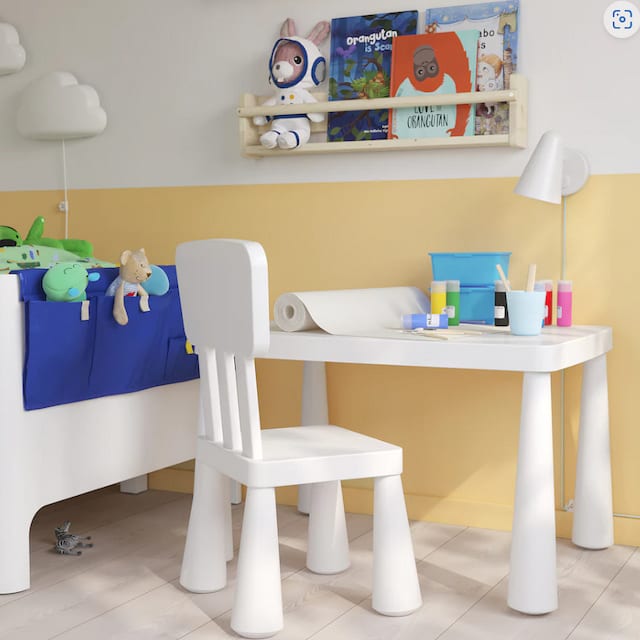
IKEA Mammut table (Php 1490) and chair (Php 900). Available on IKEA.
2. Display their artwork.
Instead of tossing their artwork away, find a special place to showcase it—on the fridge, behind a door, or in a clear book.
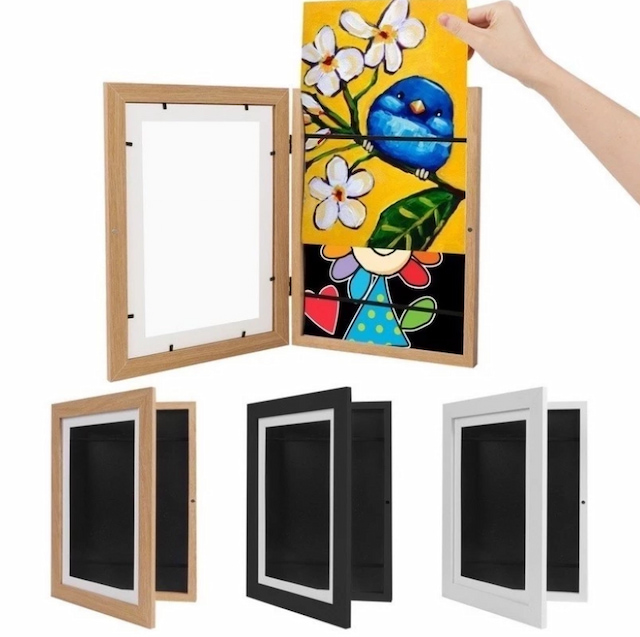
This photo frame that enables you to replace the artwork easily. Available on Shopee and Lazada for Php 299-399.
3. Encourage storytelling.
Ask open-ended questions about their drawings to help them develop deeper connections with their artwork.
4. Enroll them in art classes.
If your child shows a strong interest in art, consider enrolling them in structured yet progressive programs like Art Burst PH. These classes provide step-by-step instruction while nurturing creativity. Art Burst PH offers courses for kids (5 years old and up), teens, and adults. To reserve a slot, visit Art Burst PH's website.
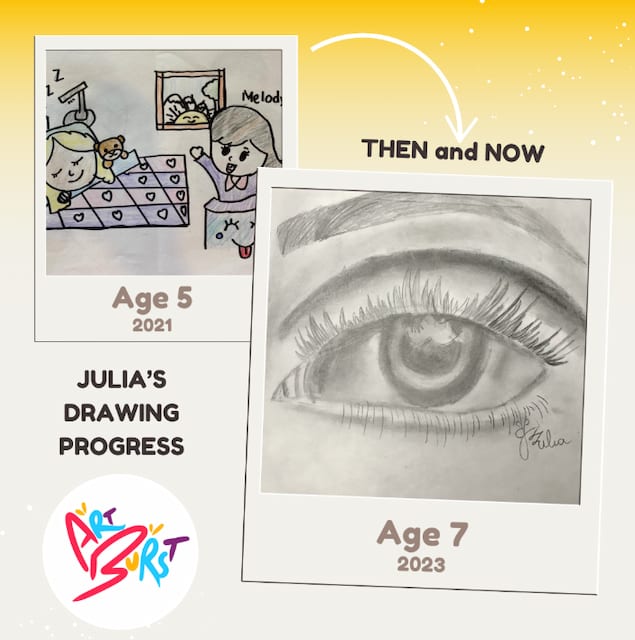
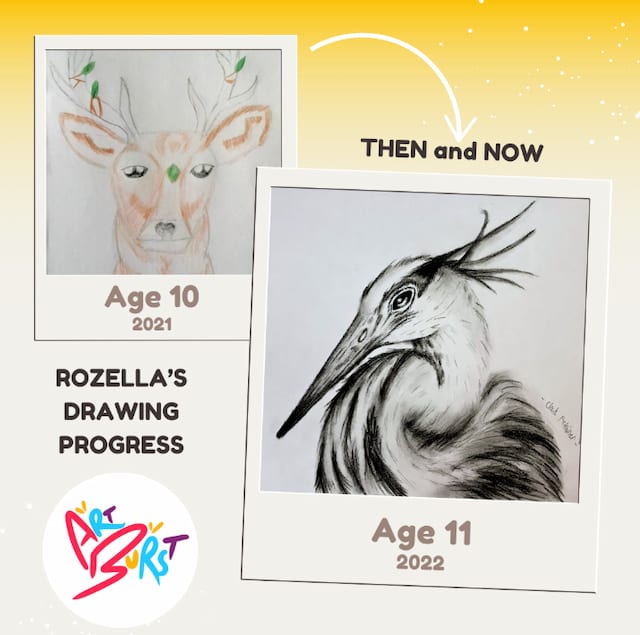
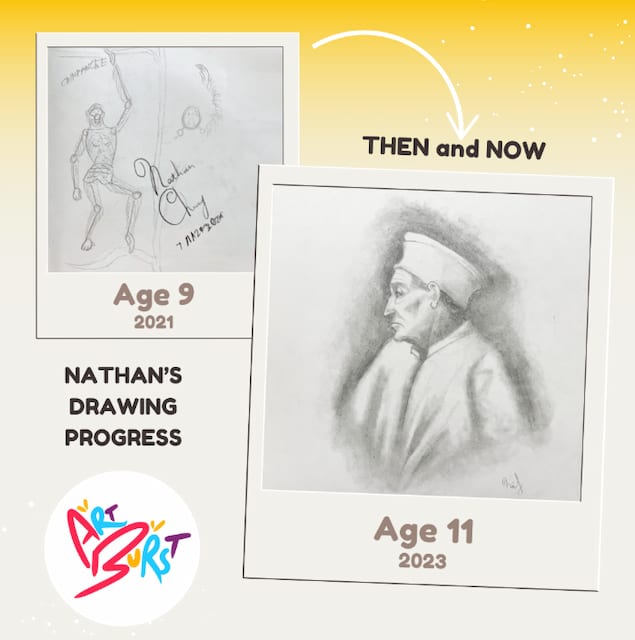
When talking to kids about their art, Ongteco reminds parents that how a parent responds plays a big role in shaping their confidence, creativity, and ability to express themselves. "Thoughtful feedback helps children process their emotions, build a sense of accomplishment, and develop a lifelong love for creativity," she concludes.
Cathy Ongteco is an art educator with 15 years of experience teaching students of all ages and abilities. She graduated with a Bachelor of Fine Arts, major in Art Education, from the College of Fine Arts, University of the Philippines - Diliman. Having taught over 3,000 students across various schools, academies, and learning centers, she has handled the full K-12 art curriculum and mentored young artists worldwide. Follow Art Burst PH on Instagram and Facebook.
More from sp

Lorem ipsum dolor sit amet, consectetur adipisicing elit, sed do eiusmod
Lorem ipsum dolor sit amet, consectetur adipisicing elit, sed do eiusmod