Gatchalian Files Bill Banning Kids Under 16 From Social Media
Another push in a growing list of Senate measures aiming to set age limits on social media use among minors.

Published on Apr 30, 2026
Senator Sherwin Gatchalian has filed a measure seeking to ban children below 16 years old from accessing social media platforms, saying stronger safeguards are needed to protect minors from harmful digital exposure.
Filed as Senate Bill No. 2066, or the Social Media Safety for Children Act, the proposal would prohibit minors under 16 from registering, accessing, or maintaining accounts on social media platforms.
“Panahon na upang protektahan ang ating mga kabataan mula sa pinsalang dulot ng social media. Huwag na nating hintaying lumala ang problema bago tayo umaksyon,” Gatchalian said.
Under the proposed bill, social media platforms would be required to implement age and identity verification systems, conduct regular audits to detect and deactivate underage accounts, and establish reporting and response mechanisms to prevent violations.
The measure also seeks safeguards to prevent users from bypassing age restrictions, including controls on duplicate or reactivated accounts, as well as tools that support parental supervision and encourage responsible use.
The Department of Information and Communications Technology, in coordination with the Department of Social Welfare and Development, Department of Education, National Telecommunications Commission, and National Privacy Commission, would be tasked with drafting the implementing rules and regulations within 90 days from the law’s effectivity.
Gatchalian’s proposal is among several measures filed in the Senate seeking to regulate minors’ use of social media.
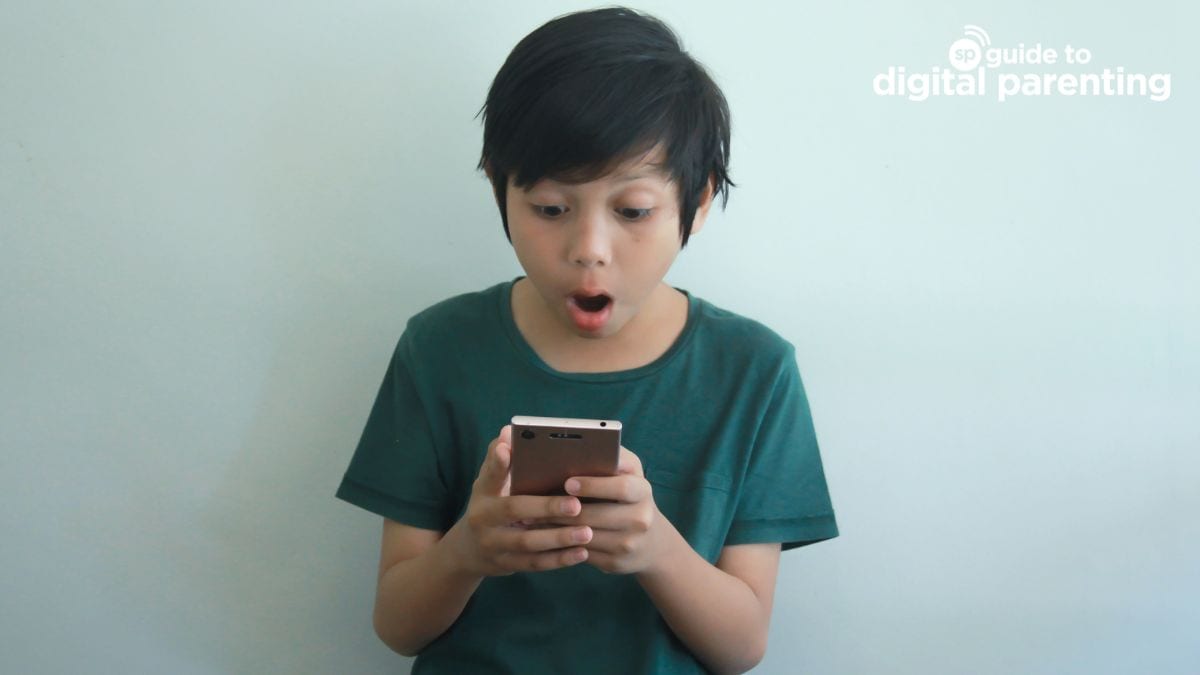
How Are Filipino Lawmakers Acting to Protect Kids from Social Media Harms?
A new bill has been filed in the Philippines seeking to restrict social media access for minors.
READ HEREAdvocacy group warns against blanket social media ban
Consumer advocacy group CitizenWatch Philippines has urged Congress to adopt “balanced and proportionate” regulation instead of imposing a blanket ban on minors, warning that broad restrictions may simply push young users to less regulated and potentially riskier platforms.
CitizenWatch co-convener and former Quezon City 6th District Rep. Kit Belmonte pointed out that minors may still find ways around blanket restrictions by using virtual private networks (VPNs), creating false adult identities, or shifting to private messaging apps, gaming chats, and offshore platforms with weaker safeguards.
“Young users are highly adaptive in digital spaces. If access is restricted on mainstream platforms, some may simply migrate to channels that are harder for parents, platforms, and regulators to monitor,” he said.
“That may risk displacing harm rather than reducing it,” he added.
Instead of a blanket ban, CitizenWatch proposed a more targeted approach centered on platform accountability and child safety standards, such as safer default settings for minors, stronger parental controls, time management tools, transparent reporting systems, digital literacy education, and stricter enforcement of consumer protection and data privacy laws.
While lawmakers continue to debate how minors should be protected online, creating safer digital spaces for children also starts at home.
Parents can help by setting clear rules on screen time, guiding children toward age-appropriate platforms, and having regular conversations about online safety, privacy, and responsible social media use. These everyday habits can go a long way in helping children build healthier digital behavior.
Hanna is a News Desk Writer at Smart Parenting, covering parenting, health, culture, and more. Off the clock, she’s likely people-watching at a café or park, matcha latte in hand.