
On December 2, 2013, the city government of Hong Kong confirmed its first case of the human transmission of bird flu, putting the entire country in public health alert.
A 36-year-old Indonesian domestic helper, said to be in critical condition, fell ill on November 21 after a visit to Shenzhen where she bought, slaughtered and ate a chicken which she did not know was infected with the bird flu strain H7N9. Shenzhen is a Chinese city near Hong Kong.
Since then, those who were identified to have been within close contact with the infected woman have been isolated and observed in a hospital. This includes her employer’s family who has displayed minor respiratory symptoms. As a result, Hong Kong has since installed body temperature checks at all of its borders in order to monitor any suspicious infectious diseases.
Incidentally, the event occurred on the same day as the 10th anniversary of the SARS (severe acute respiratory syndrome) outbreak, which claimed around 300 lives and placed in critical hundreds more in Hong Kong.
Related article: Bird Flu Deaths on the Rise amidst Urgent Investigation
Related article: Health Alert: How to Protect your Family from the New Coronavirus
[previous|page|next]
While H7N9 infections among humans were reported in Shanghai in March 2013, afflicting about 100, the World Health Organization (WHO) does state that the number of incidences dropped when live poultry markets were shut down in the affected areas. As of November 6, there have been a total of 139 confirmed human cases of H7N9, with 45 deaths in China.
As a precaution, Hong Kong issued in a statement that it will be suspending the importation of live chickens from Shenzhen from January 31 until April 30, 2014.
While there have been no confirmed cases of bird flu yet in the Philippines according to Secretary Dr. Eric Tayag of the Department of Health, airport officials have been vigilant in monitoring incoming travelers for early isolation. Still, no travel bans to Hong Kong have been issued yet.
In order to inform and protect ourselves against the avian flu, here are answers to some of the most commonly-asked questions:
What is avian flu?
According to an article on CNN.com, the avian flu, also known as bird flu or avian influenza, is a disease that normally only affects birds, but in 2011, a new strain was reported to have infected seals.
Transmission between humans is considered a rare occurrence.
The most common strain is the H5N1 virus, but there are a total of 16 H subtypes and 9 N subtypes. The viruses with H5 or H7 in their name are the ones which have been identified to have caused human deaths.
How different is H7N9 from other strains of bird flu?
“According to researches and literature from WHO, H7N9 genes were found to be very similar to the viruses that circulated recently in poultries in China but the same genomic composition were not identified in animals before,” explains Dra. Candy Aguilar-Ocampo, pediatrician at the Health Avenue Medical Services. “Experts therefore found out that this particular type of bird flu have originated from China thru an evolution of the poultry virus [A(H9N2)] with duck viruses which carry the H7 and N9 genes.
“Like other bird flu viruses, H7N9 is rarely seen in humans, but when sporadic cases occur they infect the respiratory tract. But compared with other subtypes which cause only mild to moderate disease, H7N9 was associated with severe respiratory illness and even death of infected humans which is mostly due to severe pneumonia with multiple organ failure.”
[previous|page|next]
Who are most prone to the disease?
“People who are most prone to get the virus are those exposed to or working in live bird markets and poultry farms or those traveling to endemic areas like China,” says Aguilar-Ocampo. “According also to the DOH, two-thirds of cases of H7N9 occur in males and more than 50 years old.”
How does one get infected with bird flu?
The bird flu virus is normally transmitted to humans via contact with “infected poultry or surfaces that are contaminated with infected bird excretions: saliva, nasal secretions and feces.”
What are the symptoms of bird flu in humans?
The most common signs of being afflicted with bird flu are fever, cough, sore throat or “progressive difficulty of breathing”, says Tayag.
What should one do if he suspects he or someone he knows is infected with bird flu?“Consult your doctor immediately once you or any of your family members become sick during or after traveling to China or HK,” advises Aguilar-Ocampo. “Or if you have fever, sore throat, cough and/or difficulty of breathing, it is best to see a doctor for appropriate diagnosis and treatment.”
How is bird flu normally treated in the Philippines? Are there specific hospitals, clinics or centers that handle these cases?
“Like in any other country, once the diagnosis has been established, the patient will have to be isolated and given appropriate treatment depending on the symptoms he or she has,” explainsAguilar-Ocampo. “Unlike bacterial infections which you can counter with antibiotics, viral infections are given supportive treatment like [the administration of] intravenous fluids, paracetamol for the fever, oxygen support.”
[previous|page|next]
Are there particular centers in the country that handle bird flu cases?
“Infectious cases like bird flu is handled in particular at the Research Institute for Tropical Medicine located at Alabang, Muntinlupa City,” Aguilar-Ocampo indicates. “They are trained to handle diseases which cause epidemics, and are equipped with laboratory examinations that can establish H7N9 infection.”
How can one best protect himself from being infected with the disease? Do flu vaccines help?
“The 2013 flu vaccine does not protect you from the bird flu H7N9,” says Aguilar-Ocampo. Currently, experts are still working on the vaccine for this particular strain, but it will take many months.
“At present, human-to-human spread has not been identified. Thus prevention could be done by avoiding traveling to endemic areas like China. If unavoidable, the Centers for Disease Control and Prevention or CDC have suggested these measures to help prevent infection from H7N9:
a) Do not touch birds, pigs or other animals, which includes avoidance from live birds or poultry market
b) Eat only fully cooked food: meat and poultry that is fully cooked (not pink) and served hot, hard-cooked eggs (not runny), do not eat or drink dishes which include blood from any animal, especially those bought from street vendors.
c) Practice hygiene and cleanliness: wash hands often with soap and water or use a hand sanitizer with at least 60% alcohold) See a doctor if you become sick during or after travel to China.”
Tayag also advises Filipinos to wash their hands as often as possible, covering their mouth or nose when sneezing, and to wear a face mask if necessary.
Related article: What you need to know about Respiratory Etiquette, Antibiotics and Safe Medication
Sources:
• December 2, 2013. Twinnie Siu and Donny Kwok. “Hong Kong confirms first human case of bird flu” reuters.com
• December 2, 2013. Jeffery Ng and Chester Yung. “Hong Kong confirms First Human Case of H7N9 Bird-Flu Case” online.wsj.com
• December 3, 2013. Katie Hunt. “Hong Kong on high alert after first human case of H7N9 bird flu” edition.cnn.com
• December 4, 2013. “Philippine airports on alert for bird flu” news.xinhuanet.com
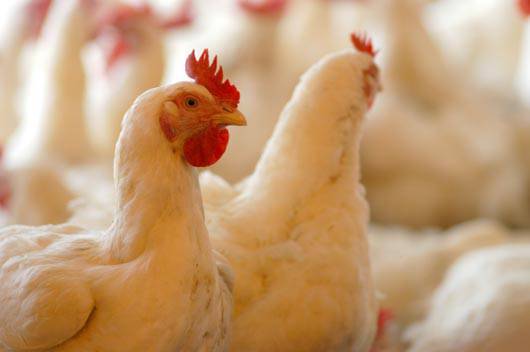
Photo from nagpalpoultries.com

Lorem ipsum dolor sit amet, consectetur adipisicing elit, sed do eiusmod
Lorem ipsum dolor sit amet, consectetur adipisicing elit, sed do eiusmod
