How to Apply for a DOLE Working Child Permit for Your Child
Is your child in monetized content? Here's how to get a DOLE permit.

Published on Oct 23, 2026
The Department of Labor and Employment (DOLE) has renewed efforts that aim to strengthen protection for children who participate or appear in revenue generating digital content. The rules extend existing child labor safeguards to digital platforms, covering monetized content such as vlogs, livestreams, podcasts, and online endorsements.
If you’re a parent content creator who regularly features your child in your content, here’s what you need to know about securing a Working Child Permit (WCP):
How to Apply for a DOLE Working Child Permit
Get the WCP application form.
Get the WCP application form.
DOLE provides WCP Form No. 1 – Application Form, along with a checklist of documentary requirements.

Karen Davila's Take on Empowerment Gets Moms Talking
Read herePrepare the supporting documents.
Prepare the supporting documents.
DOLE's WCP checklist outlines the documents you need to submit with your application. Requirements may vary depending on the nature of your child's work, so it's best to get the latest checklist from the appropriate DOLE Regional Office.
Checklist of Requirements for First-Time Applicants
Here are the documents required for a first-time Working Child Permit application:
Duly accomplished and notarized WCP Application Form
Proof of schooling (any of the following):
Certificate of Enrollment
Current School ID
Certified true copy of the current report card
If the child is not enrolled, a notarized affidavit stating that the child will be enrolled in the next school year (if applicable)
Authenticated copy of the child’s Birth Certificate or Certificate of Late Registration of Birth issued by the Philippine Statistics Authority (PSA) or city/municipal registrar
Medical certificate issued by a licensed physician, indicating the physician’s full name, signature, and license number. The certificate must have been issued within one month before the WCP application
Two (2) passport-size photographs of the child
Any valid government-issued ID of the parent or guardian
Additional requirements, depending on the employer:
If the employer is the child’s legal guardian or another family member:
For legal guardians: Authenticated proof of legal guardianship
For other family members: Proof of relationship to the child
If the employer is involved in public entertainment or information:
Certified true copy of the employer’s business permit or Mayor’s Permit
Notarized employment contract between the employer and the child’s parents or guardian
Application fee: P100.00
For succeeding applications, you can find the additional requirements here.
Submit your application to DOLE.
Submit your application to DOLE.
Submit the accomplished application form and supporting documents to the DOLE Regional Office with jurisdiction over where the child lives or where the work or content shoot will take place.
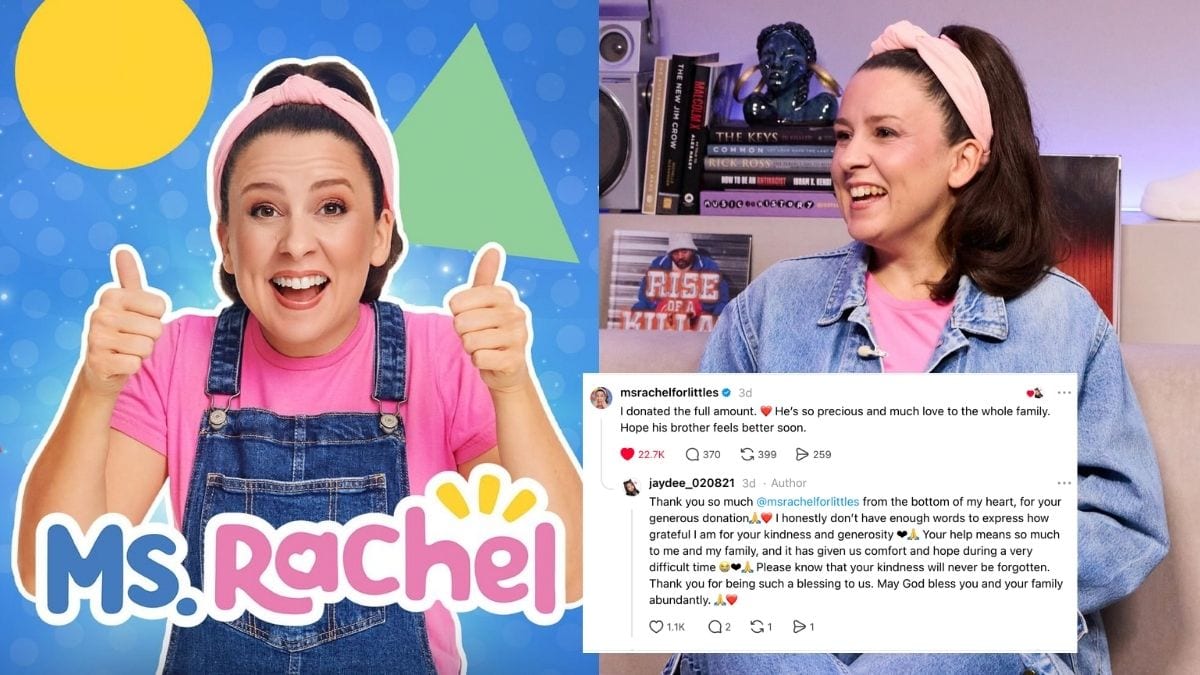
Filipino Mom Asks Ms. Rachel for a Share—She Gives P300K
Read hereWait for evaluation and approval.
Wait for evaluation and approval.
DOLE will review the application to determine whether the proposed work is legally allowed and whether the necessary safeguards are in place. The Working Child Permit must be issued before the child begins the covered work.
While DOLE’s published materials do not always specify an exact “X” working days turnaround, for public entertainment/information cases, DOLE requires filing at least 3 days before the activity, implying they aim to process within that window if documents are complete. If the child will work in multiple locations, the employer must inform the appropriate Regional Office at least two (2) days before the activity.
In general, for straightforward cases with complete documents, many field offices can process and issue the WCP within a few working days to about one week. The Regional Office may issue the work permit within three (3) days from compliance with all requirements.
To be safe, file at least a week or two before the intended start date, especially for first‑time applications.
Keep the permit and comply with its conditions.
Keep the permit and comply with its conditions.
A WCP is generally issued for allowable, often short-term or project-based work, and the child must continue to be protected from excessive working hours, exploitation, and activities that interfere with education and welfare.
The work permit will be valid for the period specified in the employment contract or work permit application, as applicable. However, its validity cannot exceed one year under any circumstances.
Who Can Apply for a Working Child Permit?
An employer, parent, or guardian may apply for a Working Child Permit for a child below 15 years old before the child engages in legitimate work allowed under the law.

KZ Tandingan Gave A Responsible Answer To The Baby Question
Read hereDOLE Labor Advisory No. 12, Series of 2026 Explained
Here are the key points parents and content creators should know about Labor Advisory No.12, Series of 2026:
Work permits are required. Children below 15 years old who are employed or participate in covered monetized social media content must secure a DOLE Working Child Permit before beginning work.
Digital content is covered. Labor Advisory No. 12, Series of 2026 (LA 12-26), issued on July 31, extends the application of existing child labor protections under Republic Act No. 9231, the Anti-Child Labor Law, to digital platforms.
Working hours are limited. Children below 15 years old may work for no more than four hours a day or 20 hours a week and may not work beyond 10 p.m. Children aged 15 to below 18 may work for no more than eight hours a day or 40 hours a week and may not work between 10PM and 6AM.
Education and well-being come first: The rules aim to prevent children from working excessive hours that could interfere with their schooling, health, safety, and overall welfare. A child's participation in monetized content should be treated with the same care as any other form of work.
Certain exemptions apply. Existing child labor laws allow children below 15 to work under specific circumstances, such as work directly under the sole responsibility of their parents or legal guardians, or essential participation in public entertainment or information. These exceptions are subject to legal conditions and safeguards and do not automatically remove permit requirements.
Children's earnings must be protected. Under existing rules, a child’s earnings belong to the child. Parents may use up to 20% for the family’s collective needs, subject to the law’s conditions. The law also provides for a trust fund when the child’s annual earnings reach the prescribed threshold.
Permits are processed by DOLE. Applications must be filed with the appropriate DOLE Regional Office, which evaluates them based on existing standards and guidelines.
Violations can have serious consequences. Employers who engage children in covered without the required permit may face penalities, incluidng fines, imprisonment, or possible closure of the establishment, depending on the violation and applicable law.
The goal is protection, not prohibition according to DOLE. The said department claims that the advisory does not create an entirely new child labor standard. Instead, it reinforces existing protections for children working in traditional media and clarifies how these safeguards apply to today's digital platforms.
Protecting children goes beyond social media. Lawmakers are also pushing for stronger safeguards for Filipino families through Sandy’s Act, a proposed law aimed at improving child safety.

Social Media Ban for Minors: What the Senate Bill Could Mean
Read hereA doting mother of two, April finds her greatest joy in traveling to new places with her family. When she's not chasing new horizons or penning down her thoughts, she channels her creativity into cooking, baking, or getting lost in the pages of a beloved book.
Read more stories about