Social Media Ban for Minors: What the Senate Bill Could Mean
SMART Kids Act still needs to complete the full legislative process before it becomes a law, and one senator voted against the bill.

Published on Oct 9, 2026
The Philippine Senate approved Senate Bill No. 2424, or the Safe Media Access and Responsible Technology for Kids in Digital Spaces (SMART KIDS) Act, on third and final reading on October 8, 2026. The measure seeks to restrict minors' access to social media and other digital services classified as high-risk. It would require covered platforms to implement age-verification measures and suspend, restrict, or remove accounts identified as belonging to minors.
The bill passed with 16 votes in favor and one against, with Senator Risa Hontiveros casting the lone dissenting vote. However, the measure must still complete the legislative process before it can become law. It follows earlier proposals to regulate children's social media use, including those discussed in Smart Parenting's March report.
Why Do Some Senators Support the Bill?
Senator Win Gatchalian, one of the bill's authors, supports stronger restrictions amid concerns about children's exposure to harmful online content. In his October 9, 2026, column for Pilipino Star Ngayon, Gatchalian argued that the Philippines should follow other countries that have introduced similar policies. He also emphasized that parental consent would not override the proposed restrictions, although educational platforms and certain lower-risk services would be exempt.
Senator Robin Padilla sponsored the measure, which aims to strengthen safeguards against online dangers affecting minors. Supporters argue that age restrictions could reduce children's exposure to harmful content and unsafe online interactions while placing greater responsibility on digital platforms.
Why Are Others Questioning a Blanket Ban?
Senator Risa Hontiveros, who cast the only vote against the measure, argued that protecting children online does not necessarily require a blanket prohibition. Instead, she has advocated age-appropriate safeguards that address specific online risks while allowing young people to retain access to useful digital spaces. These include stronger privacy settings, limits on adult contact, restrictions on targeted advertising, and improved parental and school supervision.
Hontiveros has also raised concerns that a broad ban could cut teenagers off from educational resources, family communication, support networks, and other legitimate uses of social media.
Tech entrepreneur and content creator Carlo Ople has likewise raised concerns about broad restrictions on digital platforms. In a September 16, 2026 video reported by TechWatch PH, Ople questioned calls to ban social media for minors while a gambling company can easily partner with collegiate sports to promote its services.
His remarks highlighted what he viewed as inconsistencies in how society addresses potential harm to young people. Ople also criticized the government's temporary blocking of Discord, citing its impact on legitimate users, including freelancers, professionals, students, and businesses. His comments also raise questions about whether broad restrictions might limit beneficial uses of technology without necessarily addressing the underlying risks.
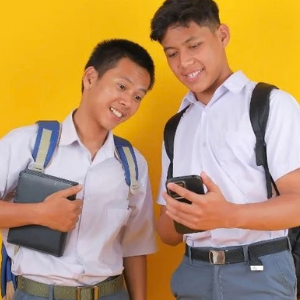
Child Rights Group Says No to Social Media Ban for Kids Under 16
Will keeping kids off social media really keep them safe?
READ HEREBalancing Safety and Access
The debate highlights a difficult question for Filipino parents: How can they protect children online without unnecessarily cutting them off from useful digital spaces?
Supporters of stricter restrictions point to the risks of exploitation, harmful content, and unsafe online interactions. Critics of a blanket ban, however, argue that social media also provides opportunities for learning, communication, community-building, and even livelihood.
The bill's effectiveness will ultimately depend on the specifics of its provisions, including how restrictions are defined, implemented, and enforced. Once these parameters are established, families and policymakers will have a clearer picture of how the measure could protect children while addressing their legitimate digital needs.
Ultimately, government regulation can provide one layer of protection, but parental guidance and digital literacy remain essential to help children navigate the online world safely and responsibly.
In 2023, Smart Parenting envisioned a Philippines with a total social media ban for children aged 16 and below. Read the first installment here and the second installment here.
Avram is a fur dad of two and contributing writer for Smart Parenting whose love for films, books and traveling have translated into a knack for storytelling.