Lawmakers Renew Push to Restrict Social Media for Kids
With the new bill, will the Philippines be the next country to restrict social media use for young people?
by Em Cruz
Published on Jun 30, 2026
Teen use of social media and digital platforms have come under renewed scrutiny in recent weeks following the tragic school shooting in Tacloban in June 2026.
Three students were killed, while 13 others were injured and many more were left traumatized after the attack on June 22, 2026. The incident has become one of the deadliest school-related attacks ever recorded in the Philippines. The suspects, both minors enrolled in Grades 9 and 10, were taken into police custody on the same day.
Authorities are still investigating the motive behind the attack. Among the possible factors being examined are bullying, mental health concerns, exposure to violent online content, social media activity, and the potential influence of violent video games.
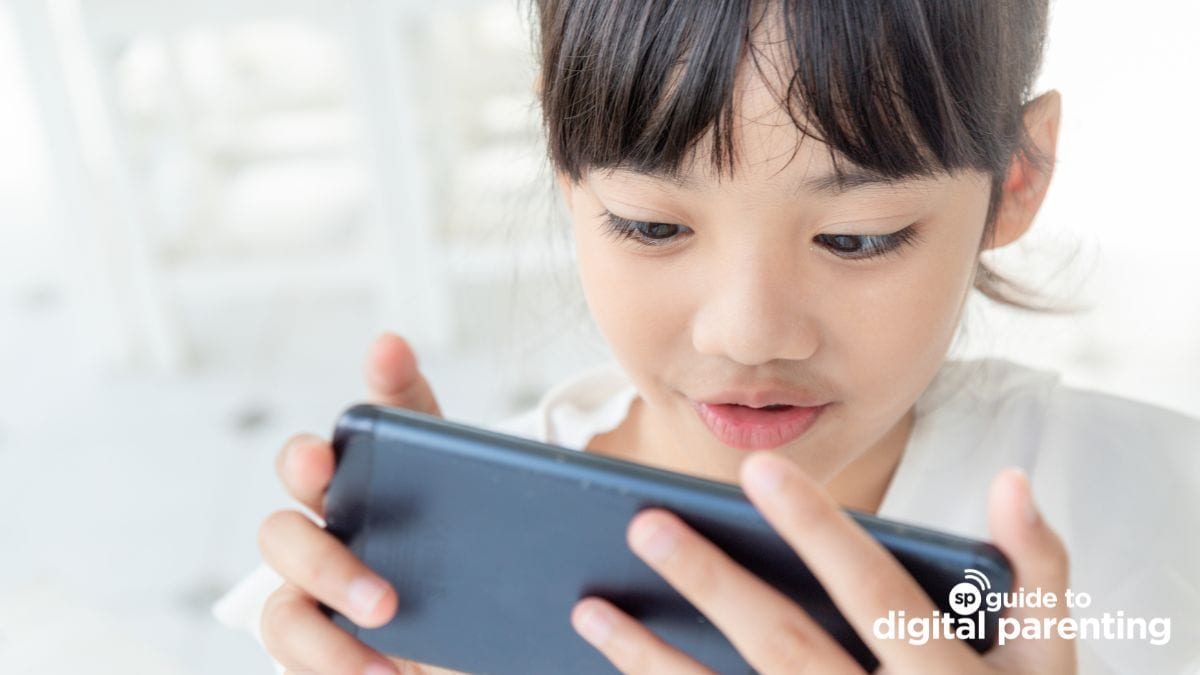
Gatchalian Files Bill Banning Kids Under 16 From Social Media
Read hereSocial Media Ban for Children Under 16
Beyond the temporary game ban, lawmakers are once again revisiting proposals to restrict minors’ access to social media.
Senator Win Gatchalian filed Senate Bill No. 2066, also known as the Social Media Safety for Children Act, which seeks to prohibit children under the age of 16 from using social media platforms.
The proposed measure contains several major provisions.
Prohibits children under 16 years old from:
Registering for social media accounts
Accessing social media platforms
Maintaining existing social media accounts
Requires strict age and identity verification
Requires social media platforms to implement reliable systems to verify users’ ages before allowing account creation through various methods such as:
Government-issued ID authentication
Facial verification
Use of other comparable technologies that can accurately determine user’s age and identity
Requires regular audits of user accounts
Platforms must:
Conduct routine audits or checking to identify accounts belonging to underage users
Deactivate or remove accounts found to be owned or used by children under 16
Establishes reporting and response mechanisms
Social media companies would be required to create systems that:
Allow reports of suspected underage users
Promptly investigate and respond to violations of the law
Prevents circumvention of age restrictions
The bill requires safeguards to stop children from bypassing the rules, including:
Controls against duplicate accounts
Measures to prevent reactivation of disabled accounts
Features that support parental supervision and responsible online use
Gives DICT regulatory oversight
The Department of Information and Communications Technology (DICT), together with the Department of Social Welfare and Development (DSWD), Department of Education (DepEd), National Telecommunications Commission (NTC), National Privacy Commission, and other stakeholders, would:
Draft the implementing rules and regulations within 90 days of the law taking effect
Oversee implementation and compliance
Allows DICT to order account takedowns
Under the proposed bill, if an account is proven to belong or is being used by a child under 16 in violation of the law, DICT may issue a Disabling Order directing the platform to remove or deactivate the account. Social media platforms must comply within five days upon receipt of the order.
Imposes penalties for non-compliance
The bill proposes penalties for social media companies that fail to comply, including:
Fines ranging from P1 million to P10 million per violation
An additional P100,000 daily fine for continuing violations after notice
Ultimately, the bill seeks to protect children from cyberbullying, online predators and exploitation, harmful or inappropriate content, and excessive social media use that may negatively affect children’s physical, mental, moral, and social well-being.

We Dare Imagine: What If PH Banned Kids Below 16 From Social Media?
Read hereEarlier Proposal to Regulate Minors’ Social Media Use
In July 2025, Senator Panfilo Lacson also introduced legislation seeking to regulate social media use among minors, citing studies linking excessive social media exposure to mental health concerns.
Although both bills have the same goal of protecting minors from the harms of social media, Senator Gatchalian’s proposal is generally broader and more comprehensive, specifically on the following points:
SB 2066 (Sen. Gatchalian’s bill) places significantly greater responsibility on social media companies for verifying users’ ages.
SB 2066 provides stronger government enforcement as it authorizes the DICT to issue orders compelling platforms to disable accounts that violate the law, creating a more specific enforcement mechanism.
SB 2066 details specific penalties for non-compliance, including fines and even daily penalties for continued violations.
Other Countries With Social Media Ban on Children
Several countries have either enacted or proposed restrictions on children’s access to social media, also largely driven by concerns about online safety, mental health, cyberbullying, and harmful content. Most of the policies place greater responsibility on technology and the platforms themselves rather than on parents or children. Countries include:
Australia
Australia is the first country to pass a nationwide law prohibiting children under 16 from holding accounts on social media platforms including Facebook, Instagram, TikTok, X, Reddit, and YouTube. The law requires platforms to implement age verification measures and imposes significant fines on companies that fail to prevent underage access.
France
France has an approved legislation that requires children under 15 parental consent before creating social media accounts. Lawmakers have also called for stronger age verification systems to ensure compliance.
Malaysia
Malaysia requires social media platforms to verify users’ ages and prevent children under 16 from registering for new accounts.
Indonesia
Indonesia is the first Southeast Asian country to implement social media restrictions similar to Australia’s.
United Kingdom
The UK is also considering a social media ban similar to Australia for children under 16.
Other countries that are also either proposing or drafting similar legislation include Denmark, Greece, Norway, Poland, Slovenia, Spain, Sweden, Turkey, and New Zealand.
While the Tacloban school shooting has prompted renewed discussion about the impact of social media and the internet on young people, experts have noted that acts of violence rarely stem from a single cause.
Factors such as family environment, bullying, mental health, peer relationships, community support, access to harmful content, and individual circumstances can all play significant roles.
Whether a social media ban for teenagers and children is feasible and will result in positive changes remains to be seen.
Survey: 1 in 4 Filipino children under 5 are stunted
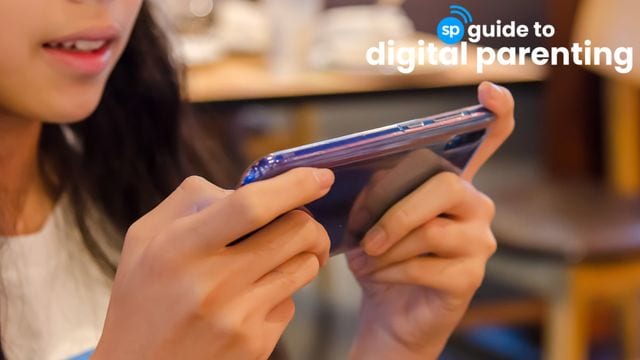
Australia Bans Social Media For Kids Under 16
Read hereEm is a mom of two fueled by coffee, stories, and parenting chaos. When not on her laptop as Smart Parenting’s Assistant Managing Editor, she’s likely lost in a book or movie.