
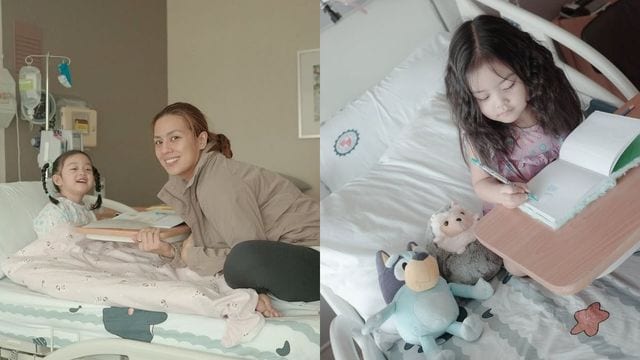
Rare diseases are a harsh reality that many parents don't see coming, but they can affect any child. Nikki Gil recently shared her experience when her three-year-old daughter, Maddie, was diagnosed with Kawasaki Disease.
Nikki Gil opens up about her daughter's Kawasaki disease diagnosis
In a heartfelt post, Nikki shared the emotional challenges they faced during Maddie's diagnosis and hospitalization. It was truly a difficult time for her and her husband, BJ Albert, as they watched their little girl endure pain, tests, and treatments.
"Maddie was diagnosed with Kawasaki Disease—something we had never even heard of. And seeing our little girl in pain, hooked to IVs, enduring tests and meds, was the hardest thing we've ever gone through as parents," Nikki wrote.
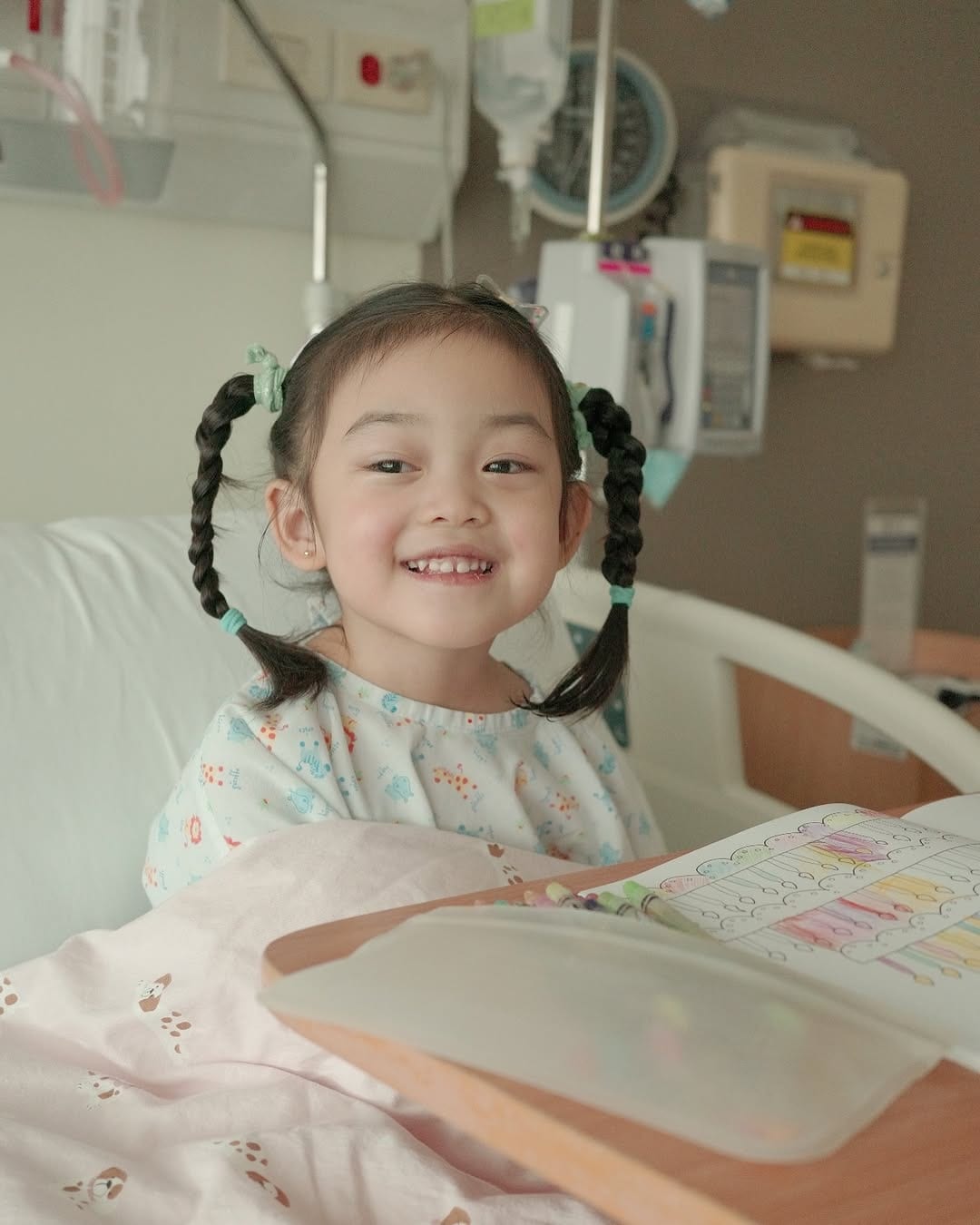
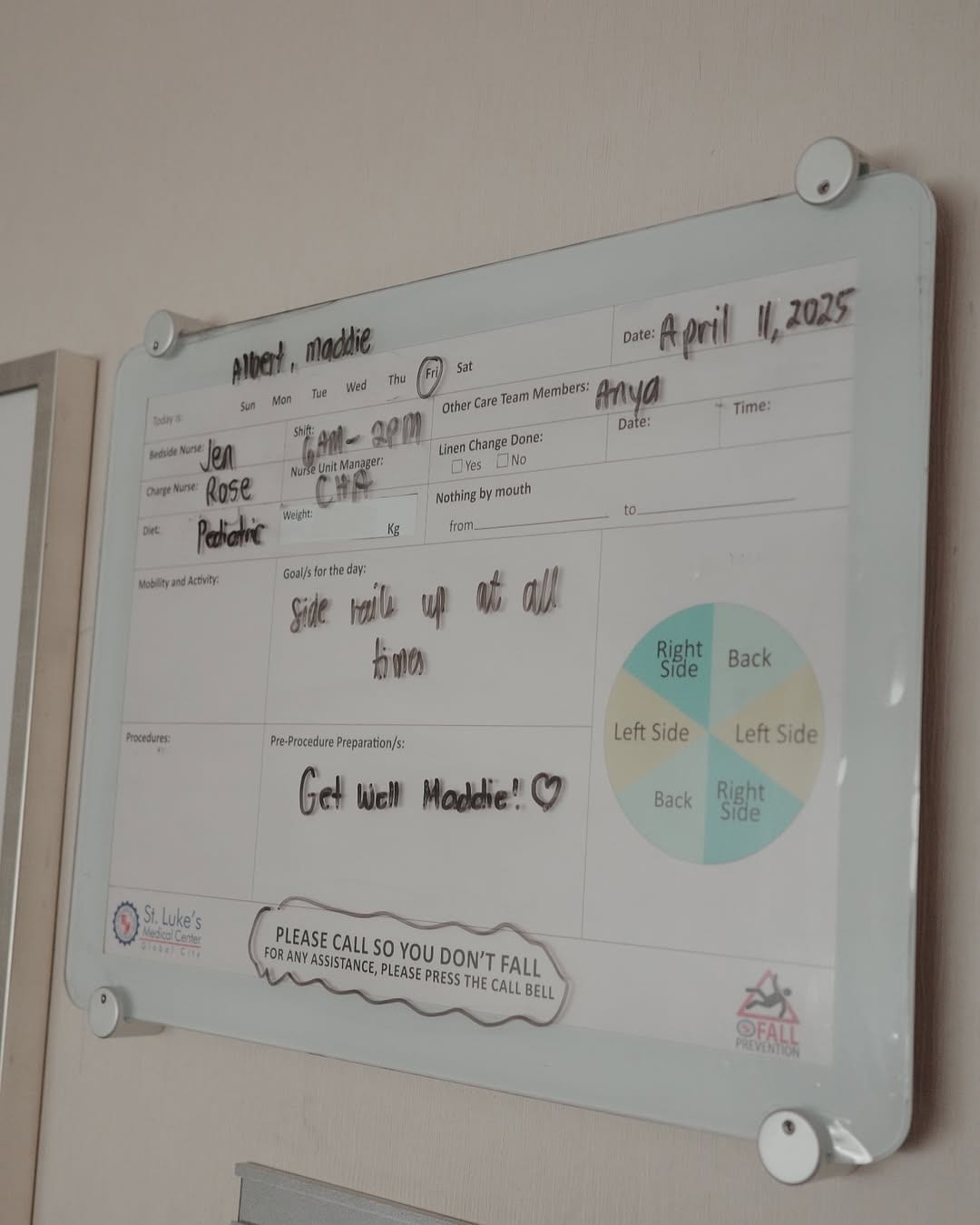
Despite the challenges, Nikki found strength in her faith and is relieved to share that Maddie is recovering.
"But even in the scariest moments, God showed up—in the peace He gave, the people He sent, and the healing He allowed. We give Him all the glory for carrying us through and for Maddie's recovery."
View this post on Instagram
Nikki also thanked everyone who supported them during this time, saying, "We're so thankful for our village—every message, prayer, meal, visit, and word of encouragement meant the world to us. And to our amazing medical team, especially Dr. [Romeo], you were all heaven-sent."
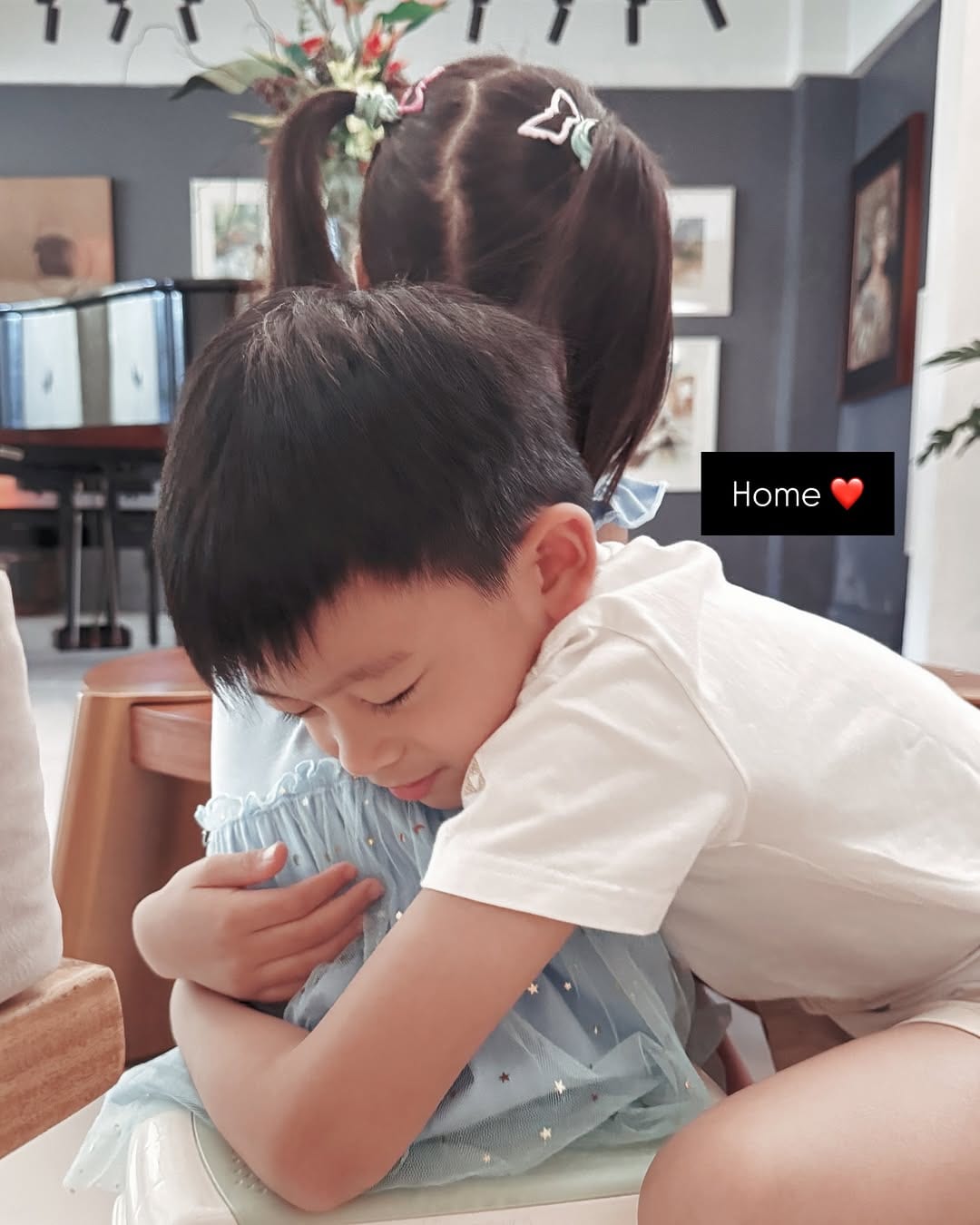
"We're finally home with our brave girl, and while recovery continues, our hearts are filled with gratitude. God is so, so, so good."
What is Kawasaki Disease?
According to the Centers for Disease Control and Prevention (CDC), Kawasaki Disease (KD), also known as Kawasaki Syndrome, is a rare condition that affects the heart and blood vessels, mostly in children under the age of five. The exact cause of KD is still unknown.
KD is named after Dr. Tomisaku Kawasaki, a Japanese pediatrician who first identified the condition in the 1960s.
Common Symptoms of Kawasaki Disease in Children
Children with Kawasaki Disease typically experience a fever lasting five days or longer, along with other symptoms such as:
-
Rash
-
Swelling and redness of the hands and feet
-
Redness and irritation of the whites of the eyes
-
Swollen lymph nodes in the neck
-
Inflammation of the mouth, lips, and throat
If left untreated, Kawasaki Disease can lead to serious complications, including swelling of the heart and blood vessels, which may cause issues with the heart's ability to pump blood properly. This can lead to coronary artery dilation and aneurysms.
Treatment and recovery
Kawasaki Disease is treatable, but it requires hospital care. CDC states that the treatment involves intravenous immunoglobulin (IVIG), a mixture of antibodies given through the veins, and high-dose aspirin. This combination helps reduce inflammation, ease symptoms, and lower the risk of serious heart-related complications.
The first 10 days from the start of the disease are important. Nationwide Children's Hospital says, "When treatment begins within 10 days of the start of the disease, there is little risk of blood vessel and heart problems. In some cases, doctors may also recommend additional medications or treatments based on how the child responds."
Currently, there's no known way to prevent the rare disease, as its exact cause remains unknown. However, recognizing symptoms early and getting the right treatment after diagnosis can make a big difference, especially in preventing serious heart complications.
Click here for a pediatrician's guide to managing fever in children.
More from sp

Lorem ipsum dolor sit amet, consectetur adipisicing elit, sed do eiusmod
Lorem ipsum dolor sit amet, consectetur adipisicing elit, sed do eiusmod
