
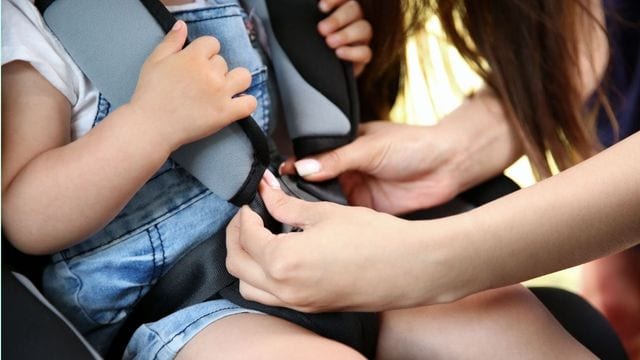
Getting into a vehicle means taking on a big responsibility, not just for yourself but for everyone around you. For parents and caregivers, this responsibility grows when children are involved. A quick trip to the store or the school run might seem routine, but the risks are still there.
Data from the Philippine Statistics Authority (PSA) show that there were 11,096 road traffic deaths in 2021. Road traffic injuries are the leading cause of death among Filipinos aged 15 to 29 and a major cause of fatalities among children.
With the right knowledge and consistent habits, adults can help minimize those risks. This guide provides essential safety tips for protecting children in and around vehicles, from choosing the right car seat to avoiding common but dangerous mistakes like leaving a child unattended in the car.
ALSO READ: Fasten Your Seat Belt When Riding In The Back Seat Of Taxis and Grab Cars
Why Proper Restraint Use Matters
Children are more vulnerable than adults in vehicle crashes. Their developing bodies cannot withstand the same crash forces, and adult seat belts are not designed for smaller frames. That's why it's so important to use car seats, booster seats, and seat belts correctly and consistently.
According to the Centers for Disease Control and Prevention (CDC):
-
Car seats reduce the risk of injury in a crash by 71% to 82% compared to seat belts alone.
-
Booster seats lower the risk of serious injury by around 45% for children ages four to eight.
-
Seat belts reduce the risk of death and serious injury by about 50% for older children and adults.
Proper restraints help save lives—every ride, every time.
Understanding the Stages of Child Safety Seats
Choosing the correct type of restraint for your child depends on their age, weight, and height. Here are the four main stages of child passenger safety:
1. Rear-Facing Car Seats
Infants and toddlers should ride in a rear-facing car seat from birth until they reach the upper height or weight limit set by the seat's manufacturer. This is typically around age 2 to 4.
Rear-facing seats provide the best protection for a child's head, neck, and spine in the event of a crash. Always place them in the back seat. Never install a rear-facing seat in the front seat of a vehicle that has active airbags. The force of a deploying airbag can be fatal to a small child.
2. Forward-Facing Car Seats
When children outgrow their rear-facing seat, they should transition to a forward-facing seat with a harness and tether. This is usually suitable until at least age five, or until your child reaches the seat's maximum height or weight limits.
Always use the top tether when installing a forward-facing car seat. It secures the upper part of the seat to an anchor point in your car and can reduce the forward movement of your child's head during a crash by several inches.
3. Booster Seats
After outgrowing a forward-facing car seat, children should use a booster seat until the vehicle's seat belt fits properly. A proper seat belt fit means:
-
The lap belt lies across the upper thighs, not the stomach.
-
The shoulder belt rests across the chest and shoulder, not the neck or face.
Most children need to use a booster seat until they are between nine and twelve years old, depending on their size and the type of vehicle.
4. Adult Seat Belts
Children are ready to use just the adult seat belt once it fits properly without a booster. This usually occurs when they are at least 4 feet 9 inches tall and can sit with their back against the seat and knees bent over the edge without slouching.
Even when children graduate to using a seat belt alone, they should still sit in the back seat until age 13 for maximum safety.
Tips for Proper Use and Installation
Correct installation and use of car seats is just as important as selecting the right type. Mistakes in installation are common, but they are avoidable. Here are some tips from the CDC to help you install a car seat correctly:
-
Read the manuals. Always follow both the car seat manufacturer's manual and your vehicle's manual for guidance.
-
Check the recline angle for rear-facing seats. Too much or too little recline can reduce the seat's effectiveness.
-
Secure the seat tightly. Once installed, the seat should not move more than an inch side to side or front to back at the belt path.
-
Check the harness fit. Straps should lie flat and be snug. You shouldn't be able to pinch any slack at the shoulders.
-
Position the chest clip correctly. It should sit at armpit level.
-
Use both lap and shoulder belts. Both are necessary for safe restraint when using booster seats or adult seat belts.
-
Always use the top tether with forward-facing seats. Whether you're using the vehicle's seat belt or lower anchors to install the seat, the tether adds essential stability.
If you're unsure about the installation, certified child passenger safety technicians can help.
Additional Safety Reminders for Every Trip
Safety doesn't end once the seat is installed. It's important to create and follow consistent rules for every car ride, no matter how short.
-
Always buckle up. Make it a non-negotiable rule that everyone is buckled before the car moves.
-
Lead by example. Kids are more likely to develop safe habits if they see adults consistently wearing seat belts.
-
Secure the middle seat. The center of the back seat is usually the safest spot, especially for younger children.
-
Double-check seat belt fit. Each vehicle may have slightly different seat dimensions, so make sure seat belts fit properly every time your child switches cars.
-
Don't rush. Take time to ensure that harnesses and belts are secure, especially if you're in a hurry.
Never Leave Children Unattended in Vehicles
One of the most dangerous—and preventable—situations is leaving a child unattended in a parked car. Even on a mild day, temperatures inside a car can climb rapidly.
-
The interior of a parked car can become 20 to 30 degrees Celsius hotter than the outside within minutes.
-
Children are less able to regulate body temperature and can suffer heatstroke quickly.
-
Heatstroke can happen even on cloudy or cool days and in shaded areas.
In some countries, it's illegal to leave a child unattended in a vehicle. But more importantly, it's always unsafe.
Avoiding Accidental Lock-Ins
Some children end up locked inside vehicles unintentionally, often due to automatic locking systems or playing with keys. These situations can quickly become emergencies.
To prevent accidental lock-ins:
-
Keep car keys in your possession at all times.
-
Never let children play with key fobs or door controls.
-
Before placing your child in the car, roll down a window if your vehicle has auto-lock features.
-
Always keep your car locked when parked, so children don't climb in and hide without being noticed.
Other Hidden Risks of Leaving Children in Cars
Heat is the most well-known danger, but it isn't the only one. A child left alone in a car may:
-
Unbuckle and wander into traffic.
-
Choke on food or toys.
-
Release the handbrake or shift the gear.
-
Play with windows and get hands or neck caught.
-
Be harmed during a break-in.
-
Lock the adult out and trap themselves inside.
Avoid quick stops that may tempt you to leave your child in the car. If it's necessary, always take your child with you.
Keeping children safe in and around vehicles takes awareness and consistency. With the right habits in place, every trip can be a safe one.
Click here for the best car seats your child can use until they're 12 years old.
More from sp

Lorem ipsum dolor sit amet, consectetur adipisicing elit, sed do eiusmod
Lorem ipsum dolor sit amet, consectetur adipisicing elit, sed do eiusmod
