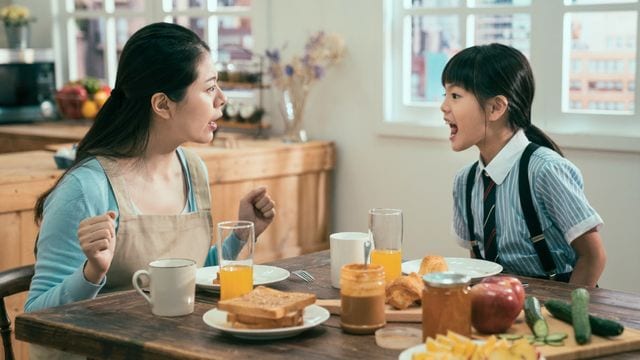
Have you ever found yourself thinking, "My parents would never tolerate the way my child talks back to me"? or "Hindi uubra sa magulang ko kung paano sumagot ‘yung anak ko sakin.”
If so, you're not alone. Many parents feel that the value of respect is lost in today’s generation of kids. "Iba na ang kabataan ngayon," as we often hear from the elderly.
Whether this is true or not, the more important question is: how can parents effectively instill respect in their children?
A parenting author offers four strategies to help you raise a respectful child.
Tips To Teach Children The Value of Respect
Parenting author and licensed professional counselor Sissy Goff discusses how respect seems to be fading away in children, calling it a “vintage value.”
With this observation, she offers four ways to bring this value back to life: Teach It, Earn It, Model It, Require It.
1. Teach It
Respect isn't something kids are born with; it's something they learn. And like any other skill, it needs to be taught as early as possible.
Goff says this can start with the basics, instilling respect through language. It can be as simple as teaching kids to say “please” and “thank you” and mean it. In our culture, this would include saying "po" at "opo" to elderly.
It’s also important to stay consistent with these practices, ensuring they are followed both inside and outside the home.
More on teaching respect through language, Goff says when kids come off sounding disrespectful and angry, a way to go about it is to also address it with respectful language like telling them: “I think you’re sounding a lot angrier than you meant to, why don’t you try and say that again?”
Start by explaining what respect looks like in your home. Use simple language and concrete examples. The key is to make it clear and consistent.
2. Earn It
If you've ever seen that viral Pinoy Big Brother House clip, you would be familiar with this quote: “Ang respeto hindi ini-impose, ine-earn ‘yan.”
Respect is a two-way street. If we want our children to respect us, we must show them respect as well. Goff says this means being a good listener to your kids, and acknowledging their feelings when something bothers them.
When children feel respected, they are more likely to show that respect back. It's not about acting like their best friend but about creating a relationship built on mutual respect and understanding.
Goff also highlights the importance of being conservative with what you share about your past.
She explains, “The reality is your kids may ask a question like, ‘Did you ever drink in high school?’ When they’re asking these questions, they’re looking for license rather than a learning opportunity.”
“They’re not going to think, ‘My mom or dad made that mistake, so I won’t do it.’ Instead, they may be looking for an excuse to do those ‘bad things.’”
So how should you answer these questions? Goff suggests refocusing the conversation on your child’s circumstances: “I made some really silly mistakes when I was your age, but I’m more interested in how you’re doing and what’s going on with you.”
3. Model It
Children are keen observers and often mimic the behavior they see. If we want our kids to be respectful, we need to model respectful behavior ourselves. This means being mindful of how we talk to our husband or wife, our friends, and even strangers or people we interact with in shops or restaurants.
Remember: Monkey see, monkey do.
4. Require It
While it's important to teach, earn, and model respect, what will bind these altogether is to actually follow through and require respect.
“I want there to be a bottom line of how we talk to each other in our homes and words that we’re not going to allow each other to get away with saying,” Goff emphasizes.
This doesn't mean being authoritarian, but setting clear boundaries and expectations. Let your children know that disrespectful behavior is unacceptable and will have consequences.
Teaching respect is an ongoing process that requires patience, consistency, and love and understanding (a lot of these, especially the latter two!). By teaching, earning, modeling, and requiring respect, we can help our children develop this essential value. So, let's bring back this "vintage" value and create homes filled with respect and kindness.
What other parents are reading

Lorem ipsum dolor sit amet, consectetur adipisicing elit, sed do eiusmod
Lorem ipsum dolor sit amet, consectetur adipisicing elit, sed do eiusmod