
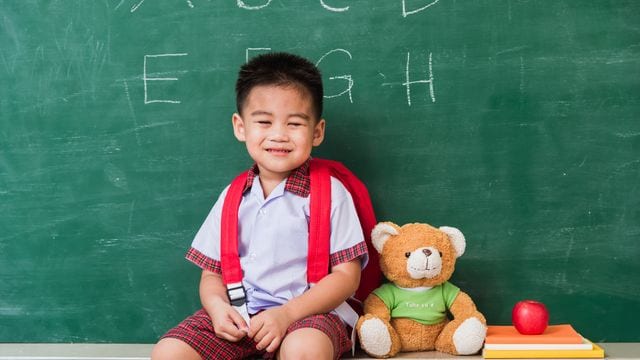
It’s one of the decisions parents need to face quite early on: When do we send our child to school? Do we enroll him in preschool? Do we forego preschool altogether and go straight to the Department of Education’s (DepEd) required Kinder level at the age of 5?
Here’s something that might help you decide: A new study highlights the importance of high-quality early childhood education programs during the preschool years, specifically, at ages 3 to 4. This specifically pertains to “high-quality” and full-day preschool programs that should also complement the desired elementary school program.
The importance of full-day preschool
University of Minnesota Institute of Child Development researchers have found that students from low-income communities who attended full-day preschool programs located near local elementary schools showed higher academic and social gains by grade three compared to other kids who attended half-day programs.
Arthur J. Reynolds, PhD, study author and professor at the University of Minnesota, states, “In a previous study…we found that full-day pre-k was associated with increased school readiness skills and better attendance at the end of the year. In this study, we wanted to know if the effects on school performance and achievement were sustained through third grade.”
To do this, Reynolds and his colleagues tracked the progress of almost 1,000 children from their preschool years up to their third grade. These students were from low-income families and attended preschools that offered full and half-day options.
By grade three, the students who were enrolled in full-day preschool programs had notably higher math and reading skills. Full day kids who proficiently read were 13% higher than kids in half-day, and 8% higher for math.
Aside from academic performance, full-day students also showed better social-emotional development.
Why is preschool important?
The study also found that aside from the hours, preschool is most effective when it has strong connections to early childhood programs and nearby elementary schools. This includes the heads of the schools working together for an aligned curriculum, with both preschool and elementary teachers sharing a common goal for the children.
Dr. Reynolds said, “What mattered most was the degree of leadership support at the school. Stronger leadership and school supports led to even stronger impacts of full-day pre-k on third-grade reading achievement.”
At the same time, the experts say that preschools located near elementary schools or integrated into the school environment might be the best-case scenario for kids. As kids are familiarized with the school environment from a young age, and they are taught lessons that their future teachers expect them to be able to do.
What should parents look for when choosing the right preschool for their kids?
Most preschool programs in the country only offer half-day classes instead of full-day ones, but nevertheless, your child stands to benefit from it. The age of birth to 5 years old, which includes the preschool years, is considered critical, as it sets the foundation for their healthy development and long-term well-being. Additionally, their brains at this age develop more than at any other time in life.
To further help you decide on whether or not to enroll your child to preschool, or which school is the best for you, here are a few articles that might help:
- Ultimate Guide: Paano Pumili Ng Tamang Preschool Para Sa Iyong Anak
- Make These Your Top Considerations When Looking For A Preschool
- Kids Who Attend Preschool Have Higher Scores In Grade 5 Math, Reading
- The 5 Ps Of What To Look For In A Preschool
Ultimately, it is up to the parents to decide on whether or not to enroll their child in preschool and where, because we know what’s best for our family and our kids. But studies show, that preschool is definitely a good option to consider.
More from Smart Parenting

Lorem ipsum dolor sit amet, consectetur adipisicing elit, sed do eiusmod
Lorem ipsum dolor sit amet, consectetur adipisicing elit, sed do eiusmod
