

As children, are we allowed to feel angry or even resentful toward our parents? And as parents, do we always deserve forgiveness from our children?
Misunderstandings can arise as children grow and mature into adults, and if not processed or resolved properly, may lead to further hurt and conflict. It could stem from simple things, like differing priorities, perceived favoritism, money issues, or even feelings of lack of support for the things or people either party loves. The relationship between parents and children are deeply rooted in expectations of care, trust, and protection. These, when broken, sometimes create serious conflicts that are hard to resolve and even forgive.
Content creators Oliver, and his mother, Mama Lulu, shared valuable insights on forgiveness within families, especially between parents and their adult children.
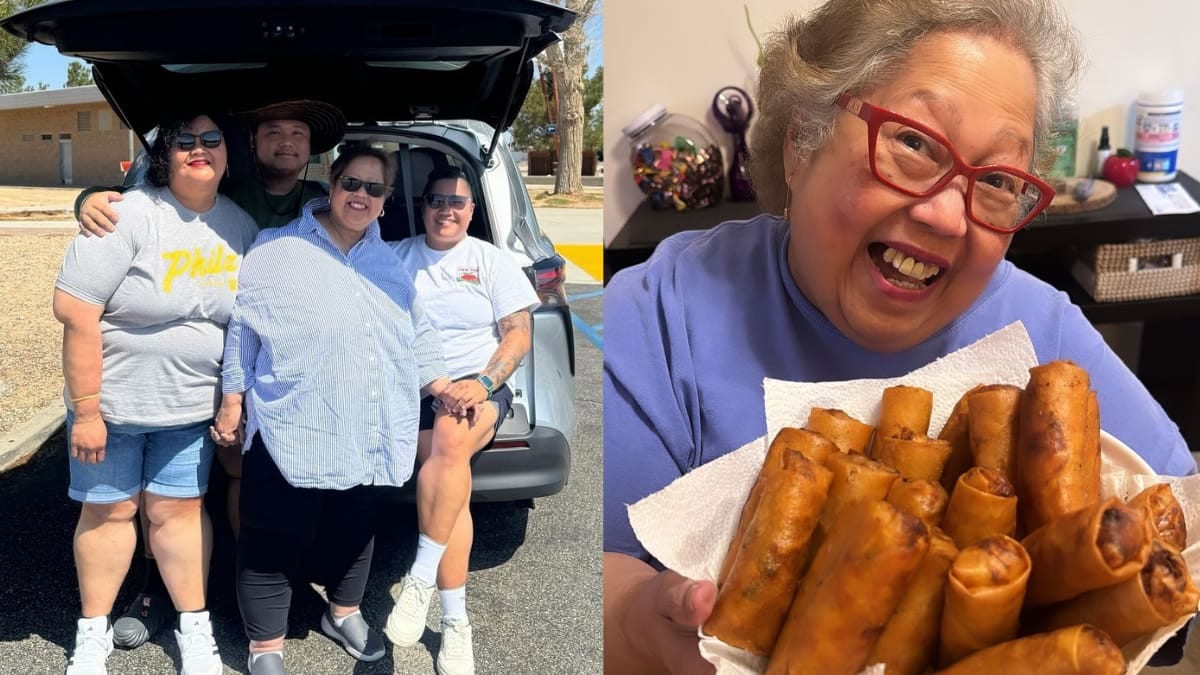
Reminders from Mama Lulu
In a video posted on their Facebook page, Otakoyakisoba, Oliver asked his mom, popularly known as Mama Lulu, this question: “Bilang nanay sa limang anak, kung ang isang magulang ay nagkamali at nasaktan ang kanyang anak, kailangan ba magpakumbaba ng anak at ma-understand at forgive kaagad yung magulang?”
Mama Lulu’s answer serves as a beautiful lesson for both parents and adult children alike:
Everyone has the right to feel hurt
Mama Lulu emphasizes the importance of recognizing one’s feelings when hurt, whether that person who hurt him/her is part of the family, or even a parent:
“Magulang, kapatid, o anak man, at kahit sino ka man, may karapatan kang magalit kung ginawaan ka ng masama. Period.”
This suggests that everyone has a right to feel hurt or angry whenever wronged, regardless of who committed that act. What is being challenged here is the idea that one should automatically forgive in case the wrongdoer happens to be their parent. Instead, we should try and truly understand that being hurt by a parent or a family member can be even more painful because of the depth of the trust and the bond that exists.
Parents should be role models
According to Mama Lulu, parents should protect and be role models for their children, reminding everyone that:
“Kasi bilang magulang, ikaw dapat ang nagbibigay ng ehemplo sa iyong mga anak. Ikaw ang dapat na nagproprotekta sa mga anak mo. Ikaw dapat ang pinagkakatiwalaan ng mga anak mo.”
This is a stark reminder of the vital role parents play in their children’s lives. And if parents fail, the resulting breach of trust can make forgiveness much harder for the child. As parents, we should always model good behavior and protect our children, and failing in this expectation can lead to deep emotional wounds.
Forgiving a family member can be challenging
Forgiving a family member, especially a parent, is not an easy task, Mama Lulu explains:
“Syempre mas masakit sa loob mo kung malaman mong sarili mong pamilya ang gumawa ng sakit ng kalooban mo. Kung ibang tao lang yan, walang problema eh. Pero yung sarili mong kadugo, mahirap talaga magpatawad.”
This highlights the additional layer of pain that comes with being hurt by someone who is expected to be the source of unconditional love and support. The difficulty stems not just from the offensive act itself, but also from the betrayal of familial bonds.
Forgiveness requires time and healing
Although difficult, forgiveness among family members can still be had, but it does take time and healing. Mama Lulu says:
“Physical health, mental health, emotional health, lahat yan pinoproseso mo na yan. Hindi agad agad. Importante yan lahat.”
It is important to process the pain and take care of one’s overall well- being before one can even consider forgiveness. One should take the time to heal mentally, emotionally, and physically.
Actions speak louder than words
Mama Lulu gave one key advice: it’s that forgiveness should be contingent on genuine change, saying:
“Tingnan muna natin kung nagbago na talaga ang isang tao. Action speaks louder than words.”
This underscores the fact that apology or promises of change are not enough. The person or family member who has caused harm must show their remorse through consistent actions. This serves as a reminder that trust, once broken especially among family members, must be rebuilt through concrete actions and proof that they have changed.
Surround yourself with support
At the same time, Mama Lulu highlights the importance of surrounding oneself with the right people who can give you the right support, happiness, and understanding, even if they are not family:
“Palibutan mo ang sarili [ng tao] na nakakaintindi ng sitwasyon mo at nagpapaligaya sa iyo. Kasi minsan, makakakuha ka pa ng suporta at pagmamahal sa mga taong hindi mo kadugo.”
Sometimes, support and understanding can come from outside the immediate family. Finding one’s own community who can provide emotional support, can be vital in the healing process.
Forgiveness without change is foolish
Finally, Mama Lulu stresses that forgiving without seeing real change is not wise. She bluntly states:
“Ngayon, kung ikaw naman magpapatawad ka na hindi sila nagbabago, i***t ka rin. Pareho na kayo.”
This candid perspective serves as a reminder that forgiveness should not be a blind act. It should be based on genuine repentance and behavioral change of the person who caused you harm. Forgiving someone without it can lead to further hurt and perpetuate a cycle of pain.
Ultimately, forgiving a parent after a serious conflict is a deeply personal decision that requires processing and careful consideration of one’s emotional and mental health. Mama Lulu reminds us that forgiveness is a process that should not be rushed or taken lightly. She also reminds parents the importance of respecting and honoring their children’s trust, and not to feel entitled to their forgiveness for any wrongdoing they might have done. Bestowing and asking for forgiveness involves recognizing one’s right to feel hurt, ensuring that the offending party has truly changed, and surrounding oneself with a supportive community.
Read here to learn why forgiveness does not always mean reconciliation.
What other parents are reading

Lorem ipsum dolor sit amet, consectetur adipisicing elit, sed do eiusmod
Lorem ipsum dolor sit amet, consectetur adipisicing elit, sed do eiusmod
