Raising Kids with Grit: Insights from “The Intentional Parent” Conference
Experts, parents, and speakers shared lessons and stories to guide intentional parenting in today’s world.
Published on Mar 30, 2026
Parents, educators, and child development advocates gathered at QCX: Quezon City Experience on March 21, 2026 for The Intentional Parent: Real Talk for Raising Kids with Grit, Growth, and Grounding, a conference presented by The Raya School that looked at how families can raise children with strong values today.
Convened by Teacher Ani Almario, founding director of The Raya School, together with family life and child development specialist Teacher Tina Zamora, the event brought together parents and professionals for a full day of discussions on intentional parenting.
A shared space for insightful conversations
The program explored parenting at different stages of childhood, from early years to adolescence. A panel on Little Minds, Big Feelings focused on younger children, with actress and mom Iza Calzado and developmental psychologist King Filart sharing insights on what makes this stage of parenting challenging and how parents can support their children through it.
In a mid-morning session, Growing with the Right School, Routines, and Structure featured Smart Parenting editor-in-chief Ronna Capili Bonifacio, psychologist Raffy Inocencio, and journalist Karmina Constantino-Torres.
For older children, a panel on Raising Teens with Grit and Resilience brought together media personality and mom Suzi Abrera, broadcast journalist and dad Ivan Mayrina, and developmental psychologist Tessa Rungduin.
Through every discussion, a theme emerged: connection. The panels underscored that the best kind of parenting is rooted in creating relationships where children feel loved and supported—giving them the foundation to grow resilient and confident in facing life’s challenges.
Showing Up and Letting Your Child Grow
Quezon City Mayor Joy Belmonte delivered one of the keynotes, sharing insights on how intentional parenting takes shape in her own family.
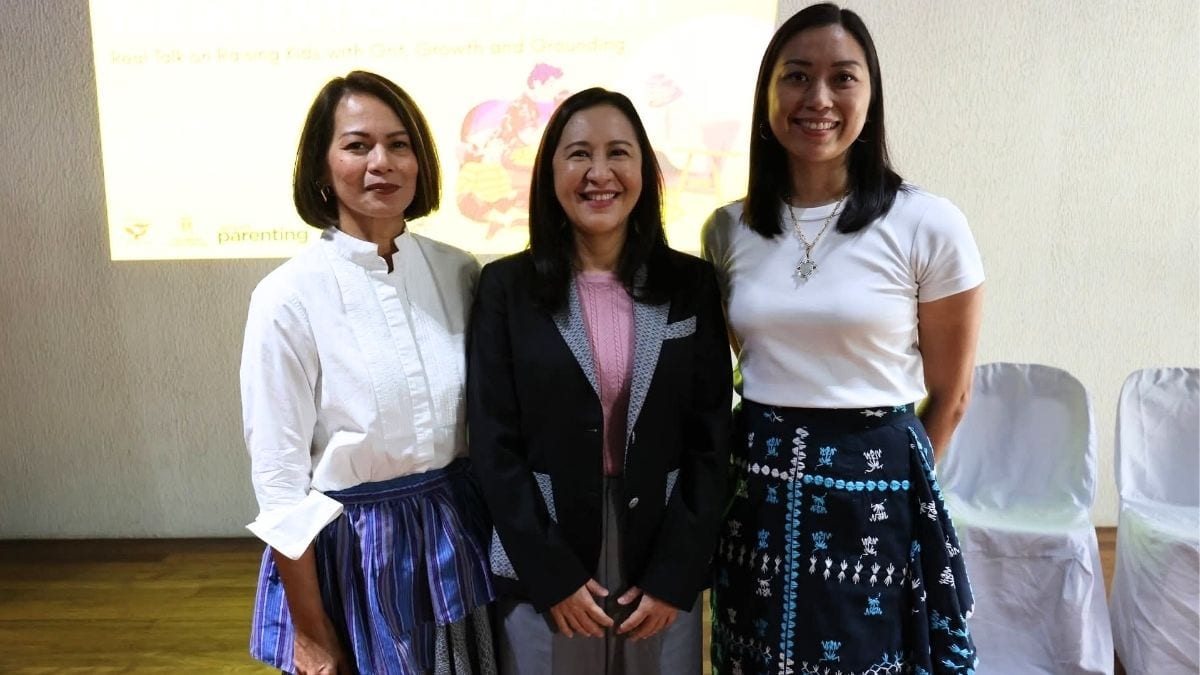
Speaking about her 17-year-old son, Gael, Belmonte described him as academically driven and intellectually curious, but emphasized that his upbringing was largely shaped by her husband, Ray, who took on the primary caregiving role.
Belmonte explained that their arrangement was based on practicality rather than tradition. “In the old ways of thinking, the choice would have been made for me the moment we had our child. Tradition would have forced me to set everything aside and make child-rearing my sole focus. I have the utmost respect for mothers who chose that path. But our story and circumstances are a bit different.”
“There was no big discussion about our parenting philosophy. Gender had nothing to do with it either. Like everything else in our life, the rule was simple: whoever can do the job should step up,” she added.
Despite her demanding public service work, she still makes an effort to show up. “Still, ‘mom guilt’ strikes every once in a while. I try to make it to his school events. I stay up late with him, even when I have an early day, so we can watch University Challenge together. His book selection surprises me sometimes—and I am impressed that his favorite author is Jane Austen. Whenever we travel, the two of us bond over museums, archaeological sites, and theaters. Most days we trade stories about work and school. I immensely enjoy my son’s company. From time to time, I do wish I had more time to spend with him.”
Central to their parenting approach is building exposure and confidence. Belmonte explained that they encourage Gael to explore a wide range of activities and experiences, creating opportunities for him to discover his interests while developing discipline and resilience. Success, in this context, is measured not by awards or outcomes but by the willingness to show up, persist, and grow.
In closing, Belmonte shared a quote she received from her late mother, Betty Go Belmonte, which framed the day’s discussions in simple terms: “We cannot control our kids from feeling pain, but we can help them find the strength to face it.”
This principle underscores the importance of supporting children while allowing them to experience challenges, shaping their character and preparing them to navigate life with confidence and perseverance.
Hanna is a News Desk Writer at Smart Parenting, covering parenting, health, culture, and more. Off the clock, she’s likely people-watching at a café or park, matcha latte in hand.