
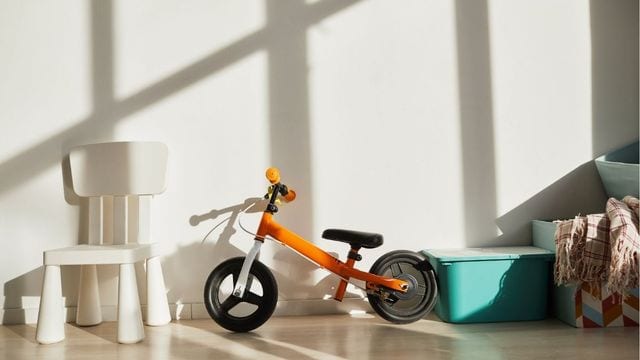
Balance bikes have become the go-to option for modern parents teaching their children to ride a bike. It’s no surprise, as these bikes naturally build kids' coordination and balance—just as the name suggests. They help children gain control quickly, making the transition to pedal bikes smoother.
Read on to know more about balance bikes and why they could be the ideal start to your child’s biking journey.
ALSO READ: This Kids’ Race Taught My Son Bravery, Resilience, And Fun
Balance Bike vs. Training Wheels
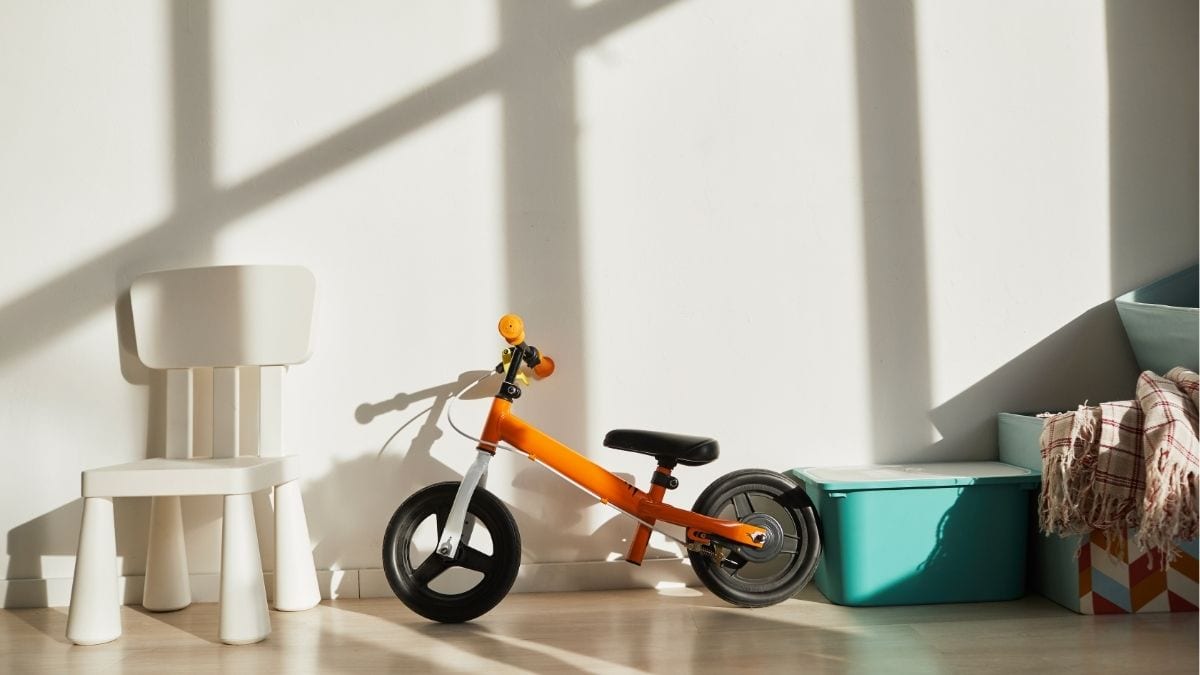
Balance bikes and training wheels serve different purposes in teaching kids to ride. Balance bikes have no pedals, allowing children to push with their feet and focus on developing balance and coordination.
On the other hand, training wheels provide stability to help kids start pedaling right away but don't effectively teach balance. The added support prevents kids from experiencing the natural tipping of a two-wheeled bike.
Kick 2 Pedal, a bike store in the Philippines, champions balance bikes as the best way to teach kids to ride. They emphasize that balance bikes are ideal for beginners because they let kids "focus on learning balance without the added complexity of pedals." Additionally, these bikes also help build children’s riding confidence.
The Ideal Age to Start Using a Balance Bike
Kids as young as 18 months can begin riding balance bikes, which they can be use through their early elementary years. These bikes are lightweight and low to the ground, making it easy for children to lift their feet, coast, gain speed, and again most importantly, build balance.
What to Look for in a Balance Bike
To choose the right balance bike, consider these features:
1. Proper Geometry
A good balance bike positions your child in an upright to slightly forward-leaning stance. A long wheelbase offers stability, while the distance between the seat and handlebars should allow comfortable movement. This ergonomic setup ensures that the child isn't too upright or leaning excessively forward.
2. Low Stand-Over Height
The stand-over height (the height of the bike's main tube) should ideally be between 7 to 8 inches for a 12-inch balance bike, which suits most toddlers. A low stand-over height keeps the bike's center of gravity low, which is perfect for young kids still gaining confidence.
3. Lightweight Build
For easy maneuverability, a balance bike should ideally be around 30% or less of the child’s weight. A lighter bike is easier to steer, pick up, and stop, whether they use a handbrake or their feet.
4. Adjustable Sizing
A good balance bike grows with your child. Look for adjustable seats and handlebars, ideally with a range that spans at least 3 inches to accommodate a few years of growth.
5. User-Friendly Brake System
Although kids can brake with their feet, a handbrake is a helpful safety addition. Plus, it's a skill they'll carry over to their pedal bike.
6. Appropriate Wheel Size and Material
For most young riders, a 12-inch wheel is the best fit, with air-filled rubber tires for comfort and better grip. Foam tires are an alternative, but they may be slippery indoors and lack the bump-dampening benefits of air tires.
Getting Started with Balance Biking
If you're introducing your little one to a balance bike, here are three steps to make the experience both safe and enjoyable:
-
Adjust the Bike Properly
The seat height should be at least an inch below the child’s crotch, with handlebars at about tummy height. Ensure they can rest both feet flat on the ground when seated. -
Teach the Basics of Balance
Show them how to hold the bike and use their feet to propel forward. Avoid holding them by the handlebars or pushing; they'll learn faster if they find their own balance. -
Keep It Fun and Take It Slow
Encourage them to go at their own pace. Many kids begin gliding around age three, and they may enjoy balance biking for a few years before transitioning to a pedal bike.
Do balance bikes really work?
Kick 2 Pedal says definitely! Founded by three moms—Cristalle (with kids aged 5 and 6), Tisha (with kids aged 13, 11, and 3), and Sofia (with a 3-year-old)—they've seen firsthand how balance bikes make learning to ride easier. Tisha's older kids didn't have balance bikes and learned the traditional way, with lots of running and tumbles. But with Tisha's youngest and Cristalle and Sofia's kids, the transition was smooth—they simply hopped on pedal bikes and started riding confidently, thanks to the balance and coordination they'd already built.
Balance bikes aren’t just a stepping stone to pedal bikes! Kick 2 Pedal notes how they improve balance, coordination, and core strength. They also promote independence and foster a love for outdoor play from an early age.
With all these benefits, balance bikes are worth considering!
Click here to explore parks and gardens in Metro Manila where you can bond with your family or take your child biking.
More from sp

Lorem ipsum dolor sit amet, consectetur adipisicing elit, sed do eiusmod
Lorem ipsum dolor sit amet, consectetur adipisicing elit, sed do eiusmod
