
Hong Kong recently logged its first human case of B virus as a 37-year-old male contracted it after being attacked by wild monkeys. To keep you informed on the matter, here's everything we know so far about the B virus:
What is the B virus?
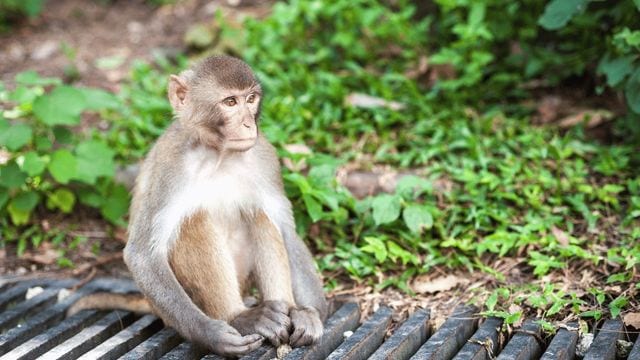
The B virus, also known as the herpes B virus, originates from macaque monkeys. In case you're not familiar, macaques are wild monkeys found in Asia, and they carry the virus in their saliva, urine, and stool. The virus is also present in other primates, like chimpanzees and capuchin monkeys, and it can remain dormant in their bodies.
On Wednesday, Hong Kong reported its first human case of the B virus, with a 37-year-old man contracting the virus after being attacked by a wild monkey. Health authorities have stated that he is in critical condition and is currently being treated in a hospital in Hong Kong.
Health officials confirmed that the man was injured by wild macaques during his visit to Kam Shan Country Park in February this year. The park, known for its conservation of wild macaques and other primates, is locally referred to as "Monkey Hill."
Although the US Centers for Disease Control and Prevention (CDC) cited that the B virus is "extremely rare," it can still lead to severe brain damage or death without timely treatment. Since the virus was discovered in 1932, about 50 human infections have been recorded, with 21 deaths. There's currently no reported human case of B virus in the Philippines.
Herpes B virus signs and symptoms
The virus can spread to humans through monkey bites or scratches, and it causes flu-like symptoms such as fever, chills, muscle aches, fatigue, and headache. These symptoms may develop from three days to a month after the infection has struck. Additionally, the infected person may also develop small blisters in the wounded area, followed by other symptoms such as shortness of breath and nausea.
In its late stages, the virus can also spread to other parts of the body and cause inflammation of the brain and spinal cord, leading to muscle coordination problems, brain damage, or worse, death.
Preventive treatment for the Herpes B virus
There are antiviral drugs used as preventive care and treatment for those exposed to the B virus. Experts debate at which point antiviral treatment should be discontinued, though some argue that lifelong suppressive antiviral therapy may be necessary.
Is there a vaccine available for the Herpes B virus?
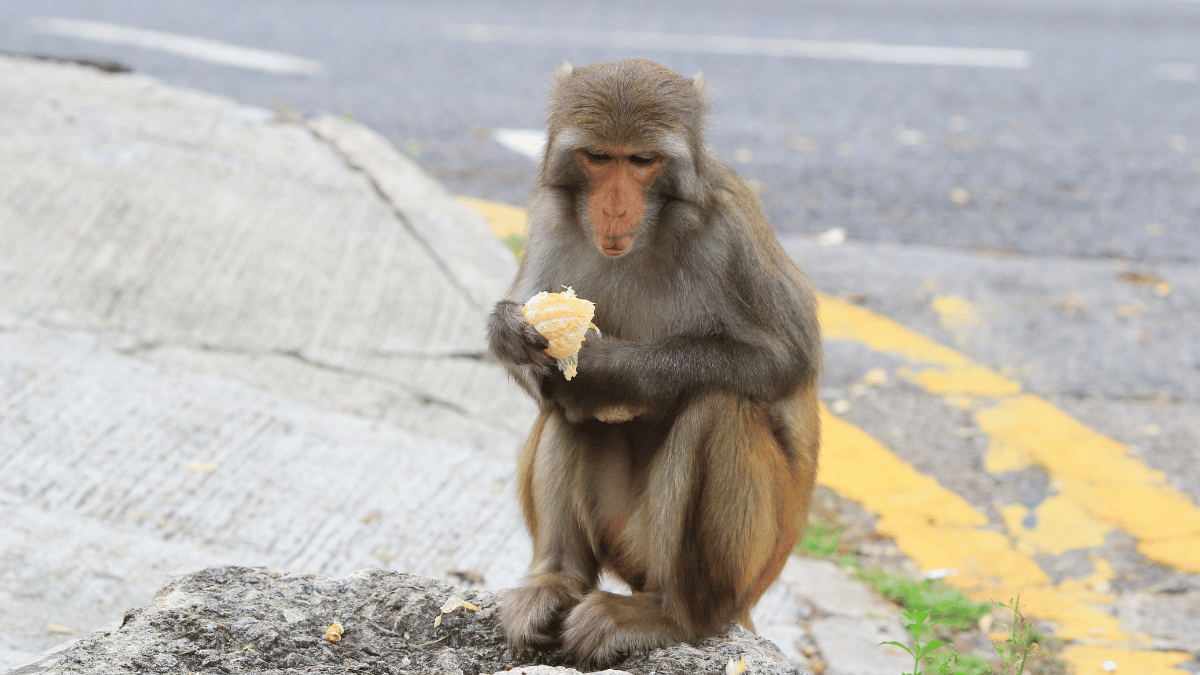
As of this writing, there is no available vaccine yet against the Herpes B virus. The best preventive measure is to refrain from touching or feeding macaque monkeys. For good measure, it's best to avoid touching or feeding other wild monkeys, too!
Exposure and first aid
If you suspect you have been exposed to a macaque monkey, the CDC recommends you begin first aid immediately.
First Aid for Exposure to the Herpes B Virus:
- Thoroughly wash and gently scrub the body part that came into contact with the monkey with soap or iodine for at least 15 minutes.
- Run water over the wound or area for another 15 to 20 minutes.
- Seek medical attention right away.
When you speak with a healthcare provider, actively inform them that you have been exposed to a macaque monkey that may be infected with the B virus.
Want to protect your kids against viruses? Here's how you can improve their immune system.
More from Smart Parenting

Lorem ipsum dolor sit amet, consectetur adipisicing elit, sed do eiusmod
Lorem ipsum dolor sit amet, consectetur adipisicing elit, sed do eiusmod
