
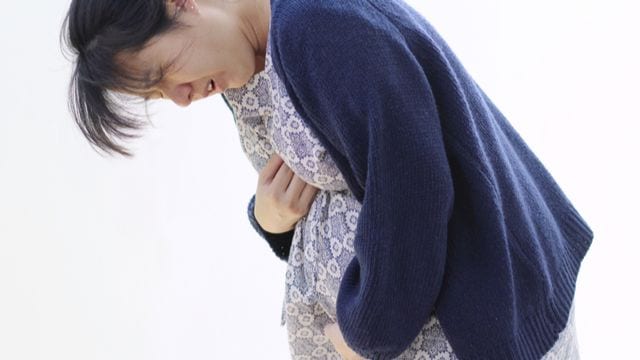
The burning sensation you feel in the chest area after consuming certain foods or drinks may be caused by heartburn.
However, heartburn has nothing to do with the heart — in fact, it’s a digestive ailment. Heartburn is a symptom of acid reflux or GERD.
Symptoms of heartburn
The problem starts at the junction between the stomach and esophagus called the lower esophageal sphincter. If it fails to function as a valve that keeps food and stomach acid in the stomach, those substances will regurgitate back to the esophagus.
When that happens, a negative reaction occurs. This is because the esophagus has no mucus lining, which the stomach is equipped with as protection against the hydrochloric acid needed to digest food. You will then feel a burning sensation near the heart.
Here are other symptoms of heartburn.
- Having a sour taste in your mouth
- Coughing
- Hoarseness
- Feeling food somewhat stuck in your throat
- Pain in the chest that worsens when lying down or bending over
Foods that cause heartburn
For some people, certain foods and drinks will cause the lower esophageal sphincter fail in its job and lead to heartburn. These include:
- Anything spicy
- Onions
- Citrus products
- Tomato products, like ketchup
- Fatty or fried foods
- Peppermint
- Chocolate
- Coffee or other caffeinated beverages
- Alcoholic and carbonated beverages
You may also be at risk to having heartburn if you often overeat or are overweight. Being pregnant likewise makes you more susceptible to experiencing a burning sensation.
What to do to ease symptoms of heartburn
Some lifestyle changes and home remedies can help ease the pain and may even prevent heartburn from occurring, according to Mayo Clinic.
Mind your weight
Having a healthy weight means not having excess pounds that put pressure on your abdomen. This pressure pushes up your stomach, so that acid can move back up into your esophagus.
Avoid tightfitting clothing
Wearing clothes that cling closely to your body may also put pressure on your abdomen and lower esophageal sphincter.
Avoid your triggers
If you know that certain foods and drinks easily give you heartburn, you should reconsider consuming them.
Avoid large meals
Instead of eating a lot in one sitting, try having small meals throughout the day.
Avoid lying down after eating
When you have a meal, wait at least three hours before lying down.
Avoid late meals
Eating late at night may slow down digestion and put pressure on your stomach.
Elevate your bed
Getting a good sleep can be very difficult if you usually experience heartburn at night. Raising your head with additional pillows may not always do the trick. Try elevating the head of your bed, or inserting a wedge between your mattress and box spring to elevate instead your body from waist up.
Avoid smoking and alcohol
Smoking cigarettes and taking in alcohol decrease the lower esophageal sphincter’s ability to function properly.
Dr. Nipaporn Pichetshote, a gastroenterologist and assistant medical director at Cedars-Sinai, recommends taking over-the-counter antacids after meals or as needed. She adds that your doctor could also suggest an H2 blocker or proton pump inhibitor, both of which are available over the counter of with a prescription.
But if your condition doesn’t improve despite the medication and lifestyle changes, you may have another ailment. This could be gastroesophageal reflux disease (GERD), which can be confirmed though a few tests, such as an X-ray and endoscopy.
Dr. Pichetshote points out, “If you’re taking medications like proton pump inhibitors or H2 blockers and don’t see any improvement, you may need tests for motility of your esophagus or pH testing.”
Other possible and more serious conditions include heart disease, hiatal hernia, and esophageal cancer. That’s why, there should be continuous and close monitoring of your symptoms of heartburn, and discussing them with your doctor.
What other parents are reading

Lorem ipsum dolor sit amet, consectetur adipisicing elit, sed do eiusmod
Lorem ipsum dolor sit amet, consectetur adipisicing elit, sed do eiusmod
