Smart Ways to Help Your Child Cope With Allergies
Allergies acting up this BER season? Here’s what parents can do to keep kids comfortable.

Published on Dec 12, 2025
If you’re a parent, you know one thing for sure: kids are full of surprises. Some are heart-melting—like waking up to paper flowers and “I love Mommy and Daddy” notes, or watching your little one bravely lose a tooth for the tooth fairy. Others, not so much, like waking up to a child with puffy eyes, an itchy rash, or a runny nose. Welcome to the world of childhood allergies.
Allergies in Kids: What Parents Should Know
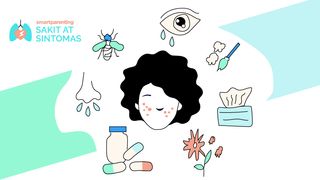
Allergies in children are increasingly common, affecting many families worldwide. According to the National Institutes of Health, allergies occur when the immune system overreacts to substances that are normally harmless. Symptoms can include itching (pruritus), redness, rashes, hives (urticaria), swelling of the lips, tongue, or airway (angioedema), as well as nausea, vomiting, abdominal cramps, difficulty breathing, wheezing, bronchospasm, noisy breathing (stridor), and fainting or collapse.
These reactions happen when the body responds to foreign substances in the environment—such as pollen, dust mites, insect bites, pet dander, cigarette smoke, molds, perfumes, or even certain foods like nuts, legumes, eggs, milk and milk products, or seafood.
One of the most common allergies in the country is allergic rhinitis. A study on its management found that respondents experienced at least one recurring symptom (sneezing, rhinorrhea, nasal obstruction, nasal itchiness) linked to environmental triggers or a prior medical diagnosis. A total of 317 people who took part in the study—213 adults and 104 children and adolescents—and among those who reported seasonal symptoms, 43.02% experienced them in December.
Kids are especially prone to allergies if:
The family has a history of allergies
They have existing allergies to certain foods
They have eczema or asthma
They’re often exposed to triggers like dust, cigarette smoke, insect bites or pollutants
3 Common Signs Your Child May Have Allergies
Parents often know when something feels off but allergy symptoms typically look like:
Respiratory Warnings. Sneezing fits—especially in the morning—runny or stuffy nose, itchy or watery eyes, coughing, or difficulty breathing in more severe cases. These may point to allergic rhinitis.
Skin Reactions. Red, itchy patches such as hives, rashes, or eczema flare-ups. These can be triggered by food allergens, weather changes, or products like laundry detergent and fabric softener.
Digestive Symptoms. With food allergies, you may notice vomiting, stomach pain, diarrhea, or swelling of the lips or face.

Bahing Nang Bahing At Madalas Sipunin? Tamang Gamot Sa Iba't-Ibang Uri Ng Allergies
Read hereManaging Allergies: 5 Practical Tips for Parents
1. Keep an allergen-free environment.
Wash beddings weekly in hot water and use dust-mite-proof pillow and mattress covers. Vacuum regularly, including mattresses. Limit stuffed toys and wash them often. Choose pets appropriate for your household. Have kids wash their faces and hands after outdoor play. Use an air purifier if you live in a high-pollen area. Keep children away from cigarette smoke.
“I grew up with asthma and allergic rhinitis, so morning sneezes and runny nose during certain weather conditions is a norm for me,” shares Em Cruz, assistant managing editor and mom of two. “So even to this day, I always have hypoallergenic pillow and mattress protectors, a regular vacuum and deep cleaning schedule, and dehumidifiers and air purifiers. We also try to stay away from cigarette smoke, and even firework smoke during the Holidays.”
She adds that her children show similar patterns: “Unfortunately, both my kids seem to manifest a bit of allergies with allergic coughs and sneezes na they do get from time to time despite our preventive steps.” Their next move is always the same: “We consult our pediatrician, who thankfully, is very responsive on Viber.”
2. Consult your doctor.
Seek medical advice if symptoms last more than two weeks or if you notice worsening signs such as chronic coughing or difficulty breathing.
3. Be mindful of their food consumption.
Introduce new foods one at a time. Keep a food diary if your child has a history of food allergies. Always check food labels or ask food establishments about ingredients, as allergens can be hidden.
Smart Parenting Village member Yanna Sagum shares that she starts by removing common triggers: “Eliminate usual allergens first — seafood, dairy, eggs, chicken, fish, chocolates, nuts.” She adds that temperature can set off reactions for her and for her kids: “Iwas din sa masyadong malamig na temp or masyadong mainit.” She notes that parents won’t feel too restricted because “mas madami ka pa ding choices like pork, beef, and gulay,” and she reintroduces foods slowly while taking notes to see what causes flare-ups.
4. Take care of their skin.
Choose fragrance-free soaps and mild detergents. Keep their skin moisturized to prevent eczema flare-ups. Use mild soap during baths and avoid long hot showers, which may worsen itching.
Ands Pornillos shares that when her daughter developed “itchy and dry skin sa hands and fingers,” she followed a few steps right away. “Pedia first,” she says, noting that their doctor prescribed Mupirocin and Vitamin D and advised checking for fungal infection if it didn’t improve. She also “switched to gentle and hypoallergenic products” and checked their detergent since “minsan detergents can contribute to dryness.” Ands encouraged more hydration — “water, water, water!” — and is thankful that the symptoms eventually went away.
5. Use antihistamines when needed, as advised by a doctor.
For mild symptoms such as sneezing, itching, or hives, pediatricians may recommend an antihistamine such as cetirizine dihydrochloride. Consult your physician about allergy medications suitable for your child’s age and follow the prescribed dosage.
Charisse Tan-Llorin, mom of one and researcher, shares that allergy prep is part of their daily routine. “Our family has a history of allergies, so cetirizine dihydrochloride (Allerkid) is a staple in our home. We never travel without it either! It’s our first line of defense to manage allergies or colds at home.”
Stay Ahead of Allergies
Managing a child’s allergies takes patience and careful observation, but planning ahead helps. Here are steps you can take:
Inform your child’s school or caregiver about their allergies
Make sure your child knows their allergies so they can ask for help if symptoms start.
When eating out, ask about ingredients to avoid triggers.
Plan ahead by packing your child’s meals so you can manage what they eat.
Prepare an emergency action plan, such as bringing doctor-recommended antihistamines appropriate for your child’s age when leaving the house or placing one in your child’s school bag. Antihistamine medicines like cetirizine dihydrochloride are commonly used to help relieve symptoms like runny nose, itchy eyes, and hives when prescrived or recommended by a healthcare professional.
Allergy - Sanhi at Sintomas
Read hereA doting mother of two, April finds her greatest joy in traveling to new places with her family. When she's not chasing new horizons or penning down her thoughts, she channels her creativity into cooking, baking, or getting lost in the pages of a beloved book.
Read more stories about