
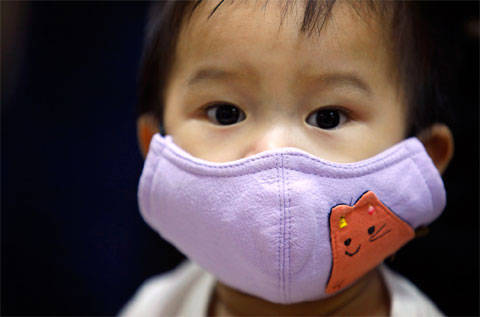
On October 8, Dr. Eric Tayag, spokesperson for the Department of Health (DOH), issued a public warning stating that the SARS virus had “resurfaced,” urging people to limit handshakes and other forms of touching. This warning came in light of the recent detection of a new type of coronavirus that has so far caused severe respiratory illness in two confirmed patients- one in Saudi Arabia, and another in Qatar.
Coronaviruses are a large group of viruses that are known to cause a number of animal diseases. In humans, coronaviruses most frequently cause the common cold. However, the SARS outbreak between 2002 and 2004 was caused by a different, relatively new type of coronavirus, identified as SARS-CoV. It spread to over 30 countries, infecting more than 8,000 people, and killing over 800 (10% mortality rate).
This time around, another novel coronavirus has caused two people to suffer from respiratory disease. According to the U.S. Center for Disease Control and Prevention (CDC), however, genetic sequence data has shown that this novel coronavirus is genetically distinct from the SARS-CoV, and is not similar to any other coronavirus previously detected in humans or animals. In the two confirmed cases, both patients were previously healthy. The first patient- a 60 year-old man from Saudi Arabia- died after being hospitalized in June 2012. The second patient, a 49 year-old man from Qatar, began to have symptoms in September 2012 and was transported to the United Kingdom for intensive care. As of October 4, 2012, in an update by the CDC, this patient remains on life support, with both renal (kidney) and pulmonary (lung) failure.
In both cases, the symptoms were acute respiratory illness, presenting with fever, cough, shortness of breath/difficulty breathing. To date, no evidence suggests that the virus is transmitted from person-to-person contact. The WHO and CDC are investigating the possibility of transmission from animals, but with limited information, the mode of transmission has yet to be determined.
So far, no travel restrictions have been issued for any of three countries involved (Saudi Arabia, Qatar, United Kingdom). In the meantime, the WHO is working with Saudi Arabia to promote safe travel for those participating in the Hajj pilgrimage this October.
[previous|page|next]
People who experience respiratory illness within 10 days of returning from Saudi Arabia or Qatar are encouraged to consult with their physician and make sure to mention their recent travel. Those in close contact with such persons- healthcare providers, family members, etc.- may also need to be tested for possible infection.
To date, there is no cure or vaccination for the new coronavirus. Treatment is only supportive, meaning that any prescribed medications are aimed at making your symptoms easier to manage, but doesn’t eliminate the virus. Also, commonly used diagnostic tests for coronavirus are not deemed suitable for detecting this new type of virus. However, there are some laboratories that can test for infection, and national health authorities have access to these labs through the WHO. To that end, the CDC and WHO recommend staying vigilant in protecting yourself.
Here are some tips for prevention:
1. Practice proper hand-washing frequently, and avoid touching your face.
Even though you may practice safe hygiene, you’re still face with people who cough in the open, sneeze without covering their face, or use the restroom without washing their hands. If your hands are contaminated and you rub your eyes or touch your mouth, consider yourself infected.
(Related story: The Importance of Handwashing)
2. Limit your time spent in crowded areas.
High-traffic areas, particularly public transportation, are quick ways to catch and spread disease. Try carpooling with a few friends via taxi rather than taking the MRT. Avoid popular hangouts at peak hours, and decide to go to the malls earlier in the morning on the weekends, before the big crowds arrive.
3. Eat smart.
Over 80% of your immune system is in the digestive system. Eating unhealthy foods burdens your digestive system and suppresses your immune system. Eat foods that are nutritious, but more importantly, eat foods that have natural antimicrobial properties, like garlic, ginger, or cabbage. To boost your immune system, opt for a fruit and vegetable juice rather than a blended coffee, and swap your potato chips for crispy fruit and veggie slices.
(Related story: Strengthen your preschooler’s Immune System with Honey)
4. Refrain from sharing cell phones, food/drink with others.
Did you know that the cell phone is one of the most bacteria-laden items around? Keep your phone to yourself, but if you must share, clean it frequently. Keep in mind that many diseases begin well before people experience symptoms, so even if your friend seems fine, they may already have the virus in their system.
5. Get plenty of sleep.
During sleep, your body is able to do much-needed repair and restoration from the damage done throughout the day. Without much sleep, your body can’t effectively fight off invaders because it lacks the time or energy required to maintain your defenses in working order.
Photo from boston.com

Lorem ipsum dolor sit amet, consectetur adipisicing elit, sed do eiusmod
Lorem ipsum dolor sit amet, consectetur adipisicing elit, sed do eiusmod
