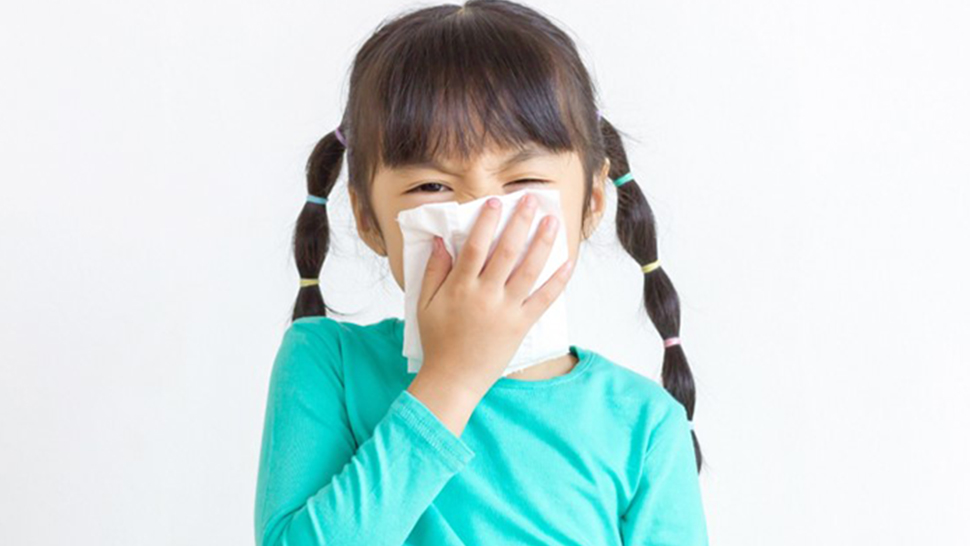
Did you know that children under five years old are more likely to be taken to the emergency room because of the flu?
According to the Centers for Disease Control and Prevention (CDC), kids younger than five are at higher risk of developing serious flu-related complications—the very reason why experts regularly remind parents to take the flu seriously.
What are the signs and symptoms of the flu?
Influenza, commonly known as the flu, is a contagious respiratory illness caused by the influenza virus. It can affect your children's nose, throat, and even lungs.
Flu symptoms include fever, cough, sore throat, runny nose, headache, body aches, and fatigue. Symptoms may also include vomiting and diarrhea, which are more common in children.
Why you should never ignore the flu
Once in your adult life, you've probably ignored or dismissed the flu as 'lagnat lang.' You might have even skipped the doctor's appointment and just took some time to rest.
But now that you're a parent with the context of the COVID-19 pandemic, it’s useful to know that the flu is contagious like COVID-19, and parents have to be proactive about protection from it as well. So, we asked three moms to share what they do and how they cope when their kids come down with a fever with colds or cough.
"Ever since COVID-19 happened, kahit simpleng ubo o sipon, we see to it that we immediately consult with our doctor,” mommy Vienna Ruba shared. According to her, they never take flu-like symptoms lightly.
It's the same for mommy Franch Bustamante. "Because our child was born during the pandemic, we're more cautious of higher body temperatures that aren't teething-related," she said.
Similar to COVID-19, flu symptoms can be managed, but it’s possible for severe complications to branch out from the initial infection.
For mom Ginyn Cadavillo, the flu should never be considered 'normal.' "Nowadays, we never know if it's a 'regular' flu or COVID-19," she said.
The flu can lead to several complications
According to CDC, flu complications can include bacterial pneumonia, ear infections, and sinus infections. The flu can also worsen chronic conditions like heart disease, asthma, and diabetes. WHO notes that some people are at higher risk of developing complications after infection, including infants, the elderly, pregnant women, and people with existing medical conditions.
Complications of the flu in children can include dehydration, brain dysfunction, and in rare cases, death. CDC notes that about 80% of reported pediatric deaths involve children who were not fully vaccinated.
The flu can also be costly, with the average flu hospitalization cost being P10,000 to P30,000–which doesn’t include medicine and transportation costs yet.
Vaccination is the most effective way to protect your children from the flu
In Smart Parenting's Facebook group, the Smart Parenting Village, parents often discuss the importance of vaccinating their children against the flu. Experts say you should bring your kids six months and older to their pediatrician to get the vaccine as soon as it's available to you.
The vaccine works by protecting your children against four of the most common influenza viruses which are more common throughout the rainy months of the Philippines, from June through November. The vaccine also protects against the severe complications that may arise from infection–you know what they say: prevention is always better than a cure!
It's not just the kids who need to get their flu shots, either. Moms, dads, lolos, and lolas need to as well as the flu virus can hit anyone in your household. And when it does, caring for the kids may be a bigger struggle.
What else can you do to keep your children safe from the flu?
The moms we talked to couple vaccination with good lifestyle habits like eating healthy, exercising, and drinking vitamins.
"We go on early morning walks to get some sun and let our little one play outside often so that he's exposed to nature," mommy Franch said.
Mommy Ginyn and Mommy Vienna also make sure they have healthy family habits. For example, they are particular with how much fruits and vegetables their children eat, and they make sure they have regular visits with their family doctors.
#HindiLangYanBastaFlu, mom and dad. Talk to your doctor about disease prevention and flu vaccination today.
MAT-PH-2200944 | VER 1.0 | DA 07-2022 | DM 07-2022
References:
- CDC. Flu and Young Children. Retrieved from https://www.cdc.gov/flu/highrisk/children.htm. Accessed June 2022.
- CDC. Key Facts About Influenza. Retrieved from https://www.cdc.gov/flu/about/keyfacts.htm. Accessed June 2022.
- WHO. Influenza (Seasonal) Fact Sheet. Retrieved from https://www.who.int/news-room/fact-sheets/detail/influenza-(seasonal).
Accessed June 2022. - Bravo, et al. Flu in the Philippines: Insights Into Perception and Action on Vaccination.
- CDC. Key Facts About Seasonal Flu Vaccine. Retrieved from https://www.cdc.gov/flu/prevent/keyfacts.htm. Accessed June 2022.
- CDC. Preventive Steps. Retrieved from https://www.cdc.gov/flu/prevent/prevention.htm. Accessed June 2022.
- CDC. Healthy Habits to Protect Against Flu. Retrieved from https://www.cdc.gov/flu/prevent/actions-prevent-flu.htm. Accessed June 2022.