We can't even remember what we were looking for when we came upon this gem at the Department of Health's Philippine Institute of Traditional and Alternative Health Care website. It contains a list of medicinal plants and their different uses (found here), and we found eight medicinal plants that can treat a variety of child ailments. It even had notes on which plants were easy to grow and pretty to have at home!
Look to this list (and your garden) for some of child's saches and pains.
1. Niyog-niyogan or Chinese honey suckle
Other common names: bawe-bawe, piniones, tangelo, tartaraok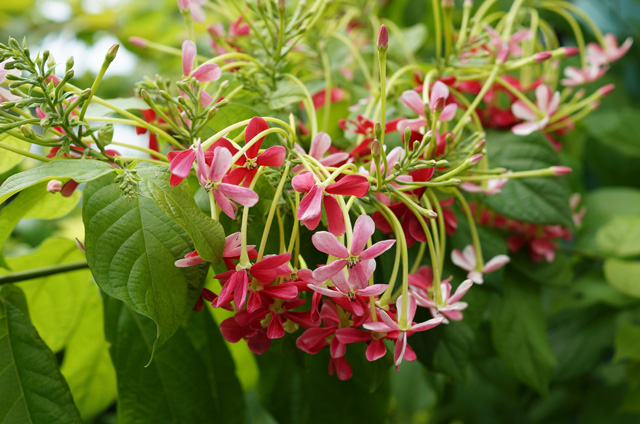
Treats: Bulate sa tiyan or intenstinal worms
It's the seeds you'll need from this plant. Kids need to chew them thoroughly and immediately follow with one glass of water.
- 4 to 5 seeds for children 4 to 6 years old
- 6 to 7 seeds for children 7 to 12 years old
- 8 to 10 seeds for children 13 years old and above
Harvest those from mature fruits or are golden brown in color. Don’t harvest from fruits that have been infested with worms.
Plant it at home: The niyog-niyogan plant blooms colorful flowers and is best planted in the ground.
2. Makabuhay
Other common names: paliaban, taganagtagua
Treats: Kuto or head lice
1. Cut a portion of the main vine and ground to a pulp.
2. Rub all over the scalp and hair at night before bed. For bigger kids, leave it on hair overnight by wearing a shower cap to bed. Or you can leave the mixture in for an eight-hour period during the day.
3. Afterwards, comb through the hair with a lice comb and rinse thoroughly.
4. Repeat once a week for two weeks.
Plant it at home: Makabuhay is easy to plant and grow, but it’s best planted near something it can cling to, like a tree.
What other parents are reading
3. Akapulko or Candle bush
Other common names: Andadasi, bayabas-bayabasan, buni-buni, kasitas
Treats: An-an, buni, hadhad, alipunga and other skin fungal infections
1. Pluck fresh leaves from the akapulko plant.
2. Ground to a pulp and apply over the affected area.
3. Repeat twice a day for 3 weeks.
Plant it at home: The akapulko bears beautiful flowers and is best planted in the ground.
4. Bayabas or guava tree
Other common names: bagabas, bayauas
To clean wounds:
1. Boil one cup of fresh leaves in 3 to 4 cups of water in a small clay pot of water.
2. Let the water cool and pour over the wound.
3. Repeat twice.
To provide relief from a tooth ache
1. Pluck two to three leaves from the bayabas plant.
2. Chew near the aching tooth.
5. Sabila or aloe vera
Other common names: aloe, acibar, dilang buwaya, dilang halo
Provides relief from insect bites
1. Cut away a small portion from the sabila plant.
2. Squeeze to extract the plant’s juices and apply the sap over the bite.
Plant it at home: Since aloe vera is a popular house plant, it’s easy find and purchase. It can also be planted outside in the ground.
What other parents are reading
6. Tanglad or lemon grass
Other common names: balioko, barani, salay, hierba gato
For fevers
1. Boil a handful of fresh leaves from the tanglad plant in a small clay pot.
2. Give the patient a sponge bath using the water once it has cooled.
Plant it at home: The fragrant leaves can be used for cooking.
7. Lagundi
Other common names: dangla, five-leaved chaste tree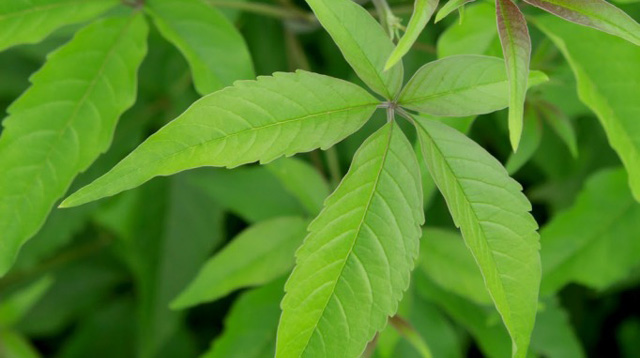
Treats: cough
1. Crush enough leaves according to your child's age.
- 1 1/2 tablespoons of ground leaves for children ages 2 to 6 years old
- 3 tablespoons of ground leaves for children 7 to 12 years old
- 6 tablspoons of ground leaves for children 13 years old and above
2. Boil the crushed leaves in a small clay pot filled with two cups of water. Let it boil until only half of the amount of water is left in the pot.
3. Let it cool. Strain the water and discard the leaves.
4. Divide the water into three portions and drink throughout the day.
Plant it at home: The lagundi plant grows tall and is best planted in the ground.
8. Tsaang gubat*
Other common names: alibungog, kalabonog, maragaued
Treats: Stomach aches
1. Crush enough leaves according to your child's age. *Tsaang gubat is not recommended for children below 7 years old.
- 1 1/2 tablespoons of ground leaves for children ages 7 to 12 years old
- 3 tablespoons of ground leaves for children 13 years old and above.
2. Boil the crushed leaves in a small clay pot filled with one cup of water. Let it bubble until only half of the amount of water is left in the pot.
3. Let it cool. Strain the water and discard the leaves.
4. Drink.
Thumbnail photo from seriouseats.com
What other parents are reading

Lorem ipsum dolor sit amet, consectetur adipisicing elit, sed do eiusmod
Lorem ipsum dolor sit amet, consectetur adipisicing elit, sed do eiusmod