
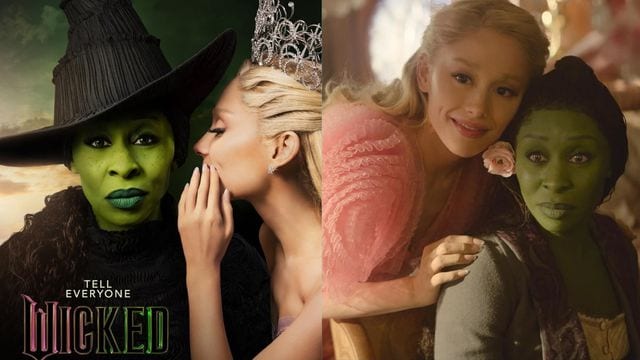
This article contains major spoilers for Wicked. Read on only if you've seen the movie or don't mind plot details being revealed!
“Isn’t nice a synonym of good? It’s just the same?”
This was the thoughtful question my 11-year-old asked me right after watching Wicked.
I first watched Wicked in its Broadway musical form during its 2014 run at the Cultural Center of the Philippines. Later, I consumed Gregory Maguire’s novel of the same name (and even the succeeding books) thereafter. Even then, I knew I wanted to share the wonders and lessons of Wicked to my daughters, but obviously had to wait a few more years to do so.
Fast forward to today, when Jon Chu’s film adaptation of the beloved musical provided the perfect opportunity for us to experience Wicked together. We attended an advanced screening of the movie at the Opus Mall VIP Cinemas, and it was a truly memorable experience.
On the way there, I second-guessed my decision to bring her. Would she understand the complex themes and political undertones? Or would the film resonate with her? As it turned out, Wicked was not only an enjoyable experience but also a wonderful starting point to discuss meaningful life lessons with my tween. Here are a few takeaways your teen can glean from Wicked.
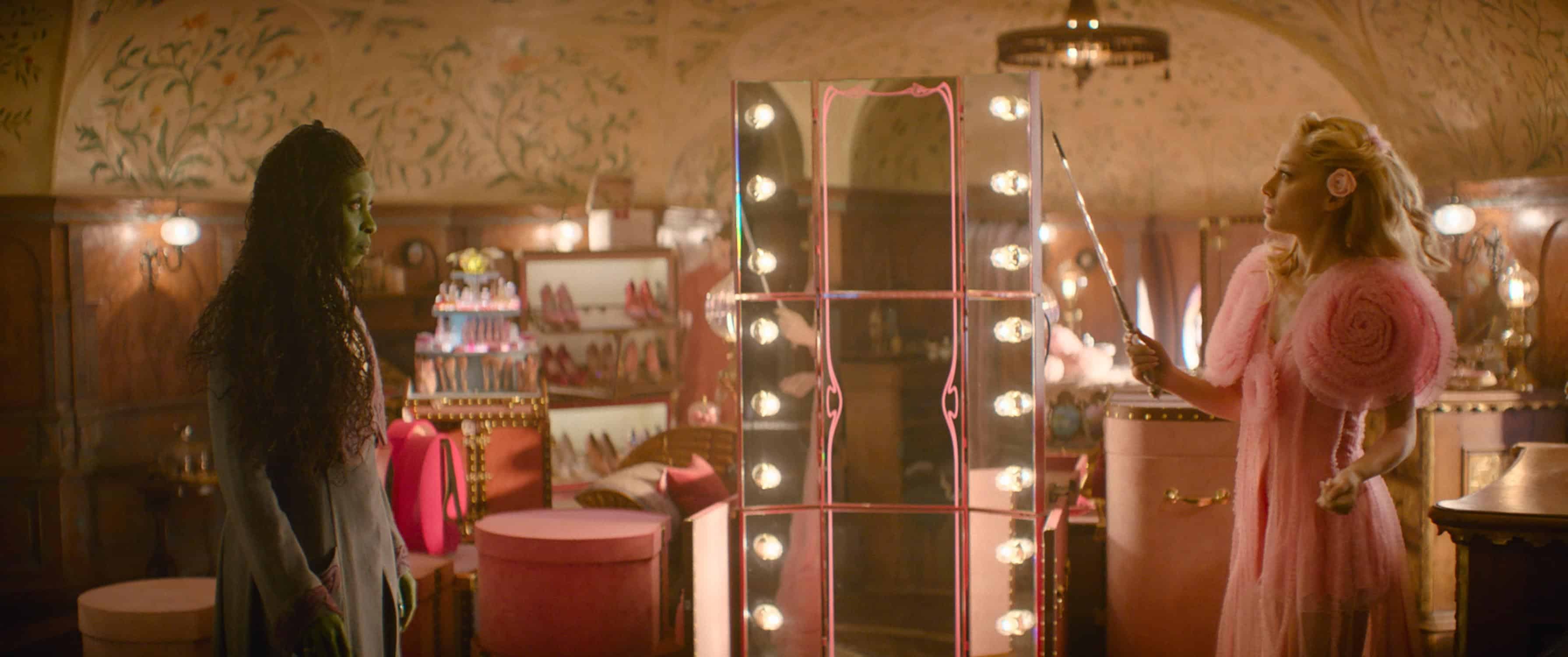
"Wicked provides a good opportunity for parents to discuss complex issues like morality, empathy, and individuality to their kids. It’s nuanced themes of good and evil, niceness and wickedness, help children develop critical thinking and emotional intelligence, shaping their values as they grow."
6 Lessons from Wicked
It’s Okay to Be Different
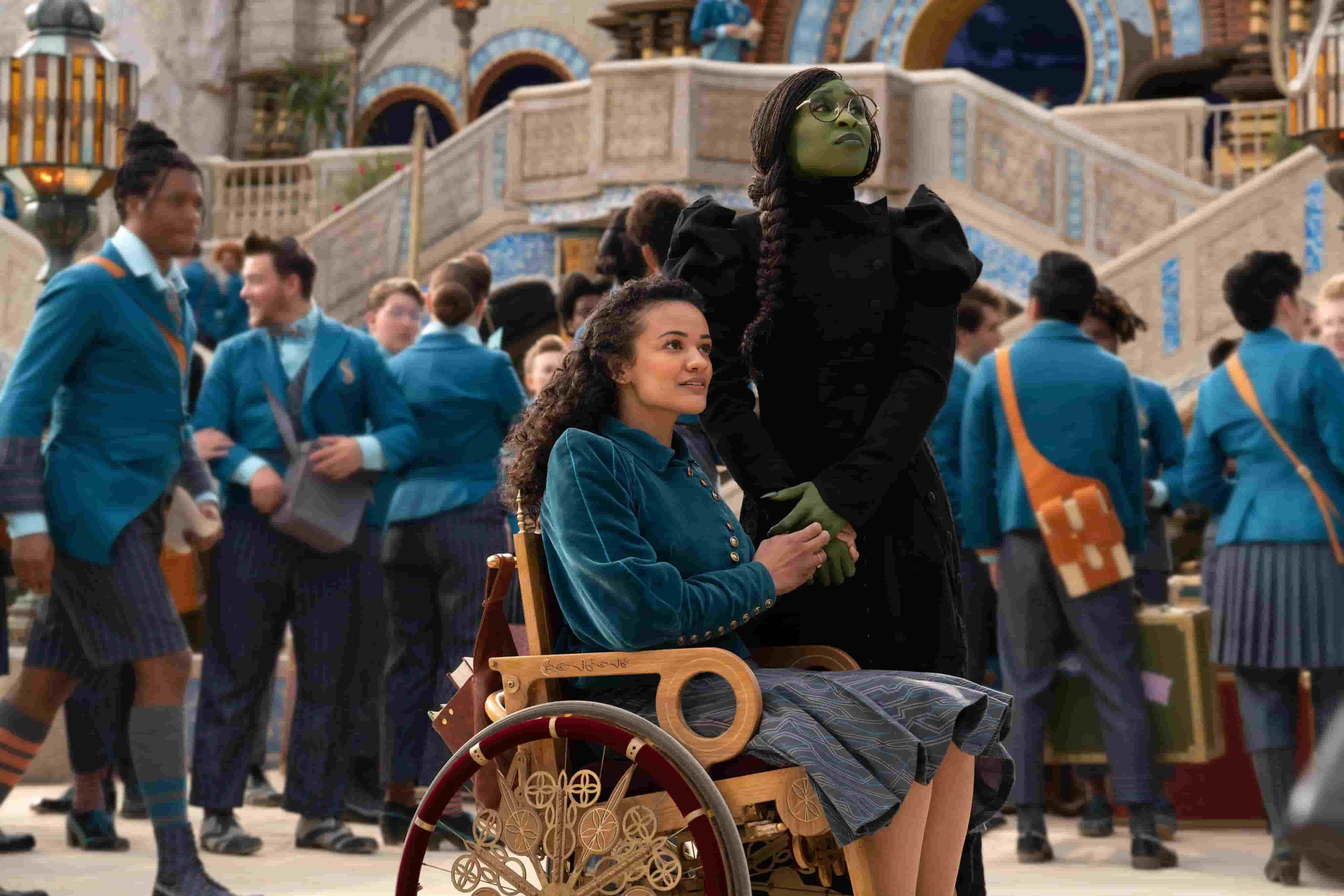
We often tell kids that it’s okay to be different, but Wicked drives this message home. Watching how the Oz-ians ostracize the green-skinned Elphaba or treat her wheelchair-bound sister Nessarose reminds children of the importance of keeping an open mind and getting to know others, regardless of appearances.
The story also emphasizes embracing one’s own uniqueness. Everyone has traits that make them special, and celebrating these differences can foster confidence and self-acceptance.
Find Your Tribe and Stand by Them
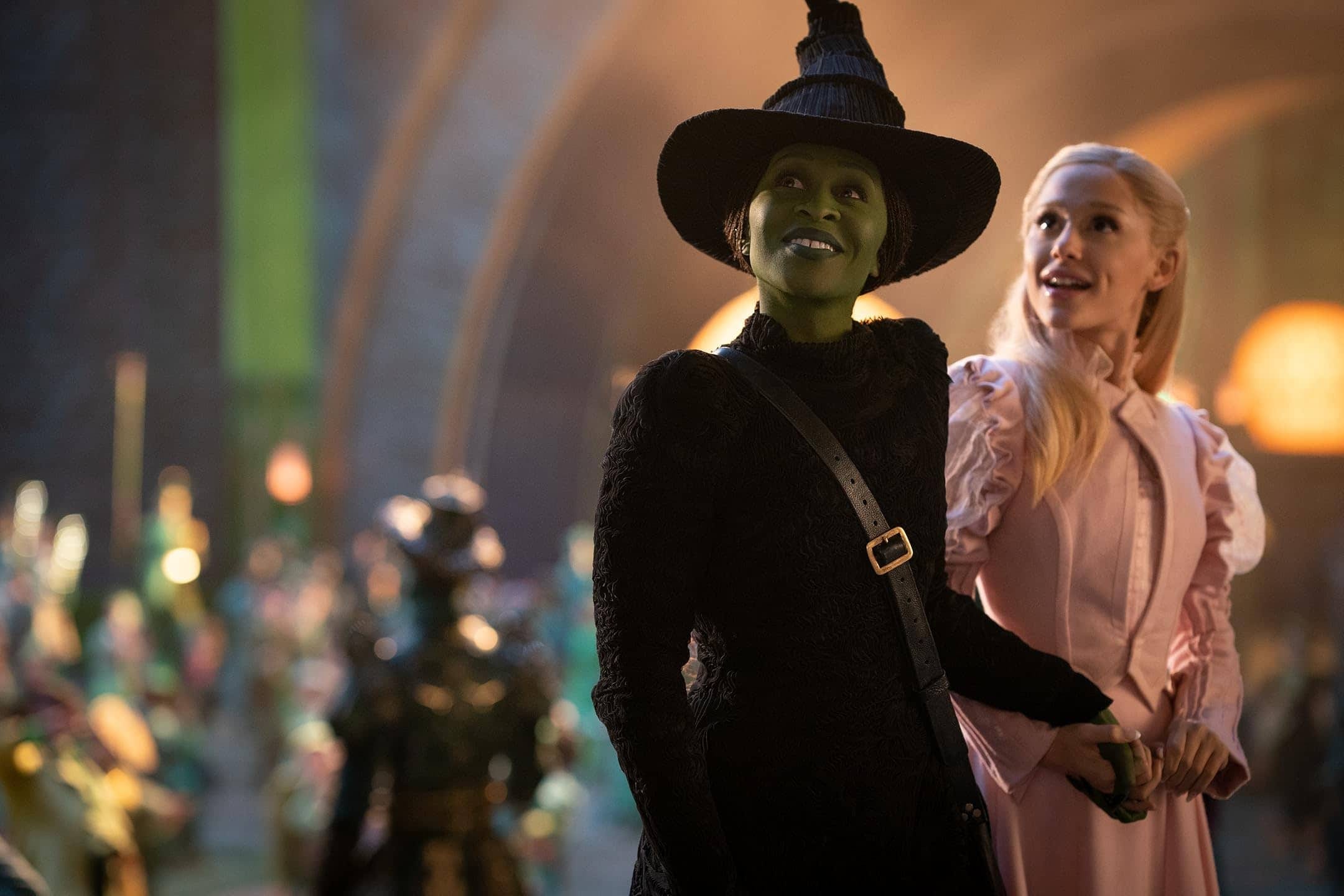
Accepting and appreciating people’s uniqueness also means standing up for them when others put them down. Wicked illustrates this beautifully, particularly through Glinda’s evolving relationship with Elphaba.
Although Glinda might have started off bullying Elphaba, she eventually grows to see her for who she truly is, becoming a supportive friend. This shift demonstrates the power of giving people a chance and highlights how meaningful relationships can form when we value others for their true selves.
"Glinda might give the impression she’s nice, but what she did to Boq and Nessarose is definitely not kind. This allows children to remember to always rethink and consider others and even their own motives and actions."
There are Two Sides to Every Story
One of the most striking aspects of Gregory Maguire’s work is how he explores the perspectives of so-called villains. In Wicked, we learn Elphaba’s side of the story–the Wicked Witch of the West from The Wizard of Oz.
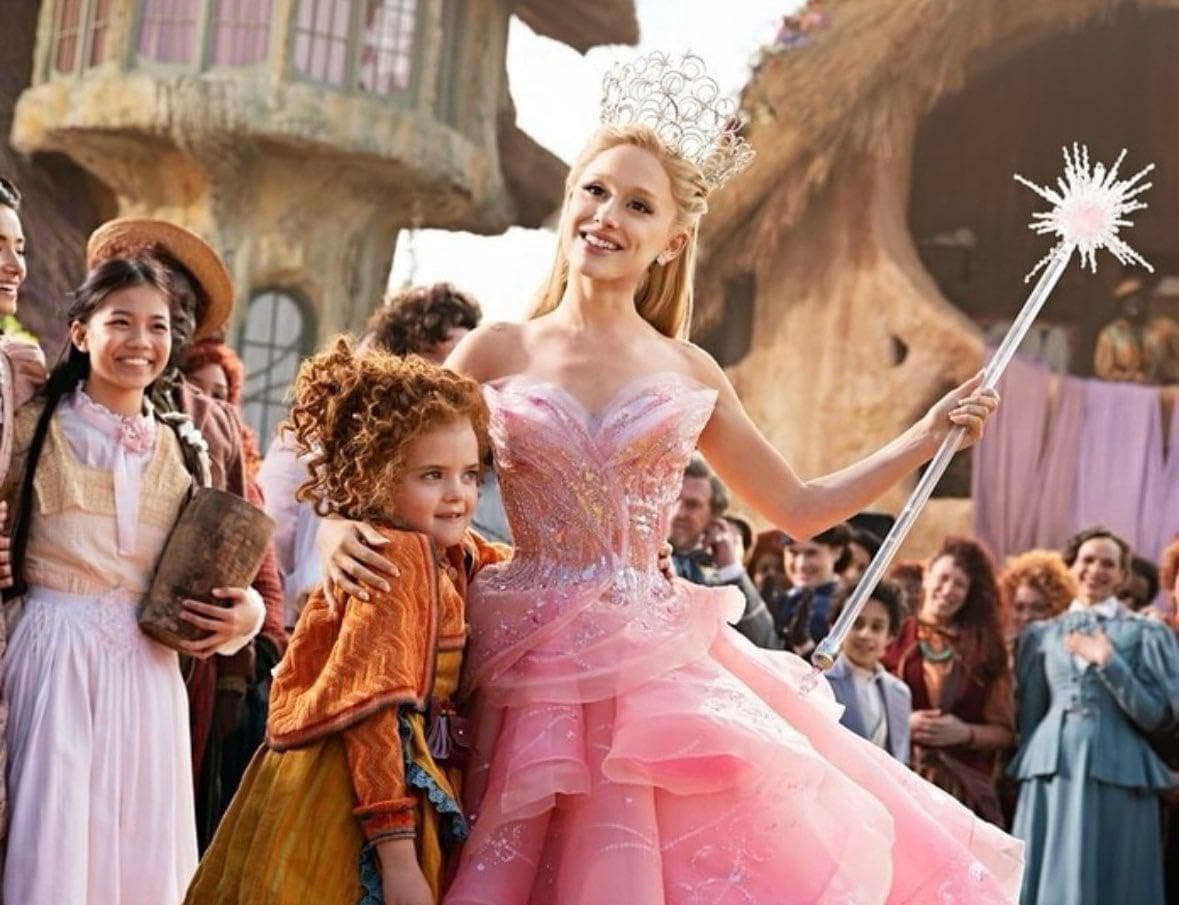
The movie reflects this duality. For instance, Glinda’s pained nuanced singing and expressions during “No One Mourns the Wicked” reveal her conflicted feelings about Elphaba’s fate. Meanwhile, Elphaba is proclaimed “wicked” for [Spoiler Alert] standing up for a persecuted group in their society: the Animals who should “only be seen.”
This theme provides an opportunity to teach children empathy and critical thinking. It encourages them to consider multiple perspectives before forming opinions and to question the labels society imposes on individuals.
Elphaba, marginalized right from the start, discovers her strength and voice, using them to champion a cause she feels deeply about. Similarly, Glinda uses her popularity and public image to forge her own path and fight for what she believes in.
It’s Better to Be Kind Than Nice
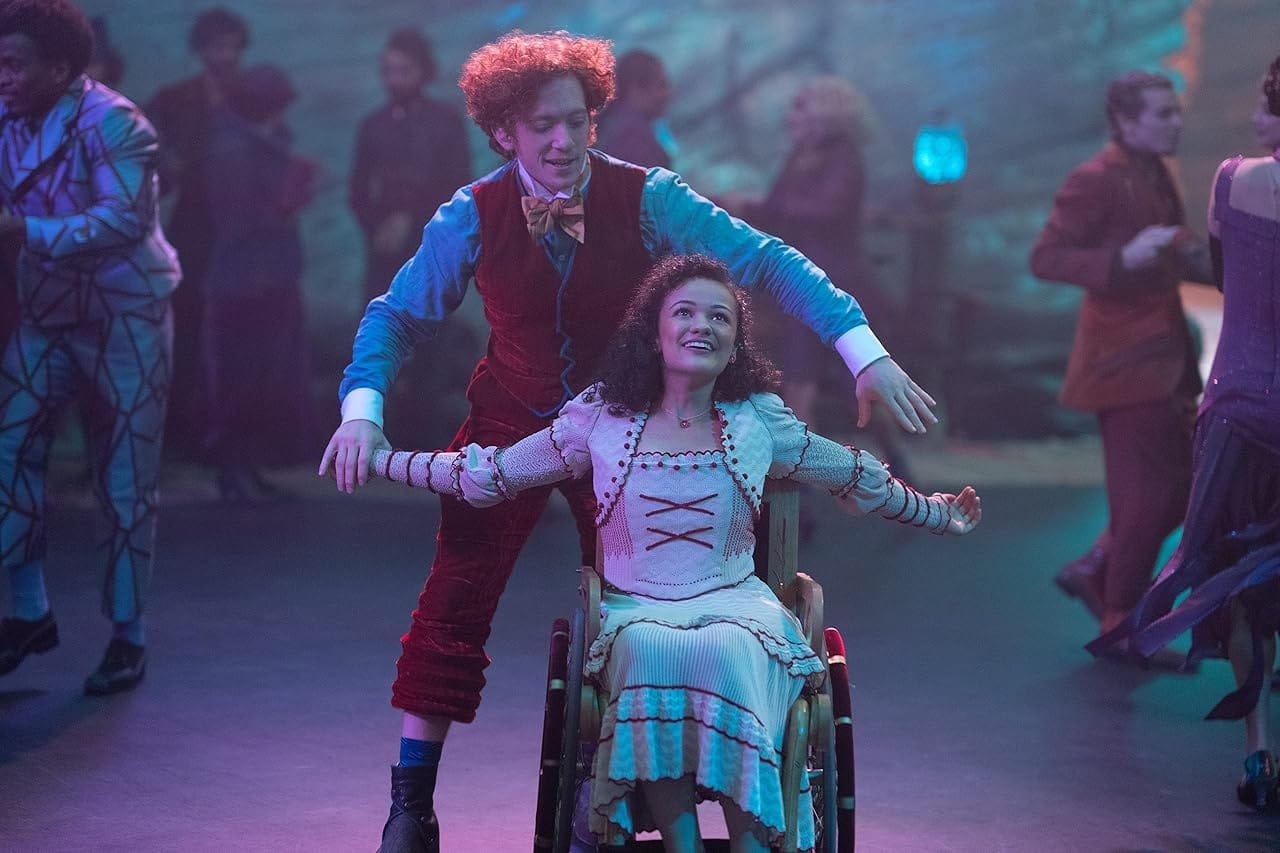
When my daughter asked if “nice” and “good” are the same, it opened the door to a valuable discussion: kindness and nice are not always synonymous. Personally, I love how this allowed me to emphasize how the motivations behind one’s actions shows one’s values more than anything one might show in public. Glinda might give the impression she’s nice, but what she did to Boq and Nessarose is definitely not kind. This allows children to remember to always rethink and consider others and even their own motives and actions. Allowing them to choose and embody the values that they would most like to adhere to.
Good and Evil are Not Black and White
Unlike many traditional stories, Wicked highlights that good and evil are rarely clear-cut. Glinda herself asks: “Are people born wicked? Or do they have wickedness thrust upon them?
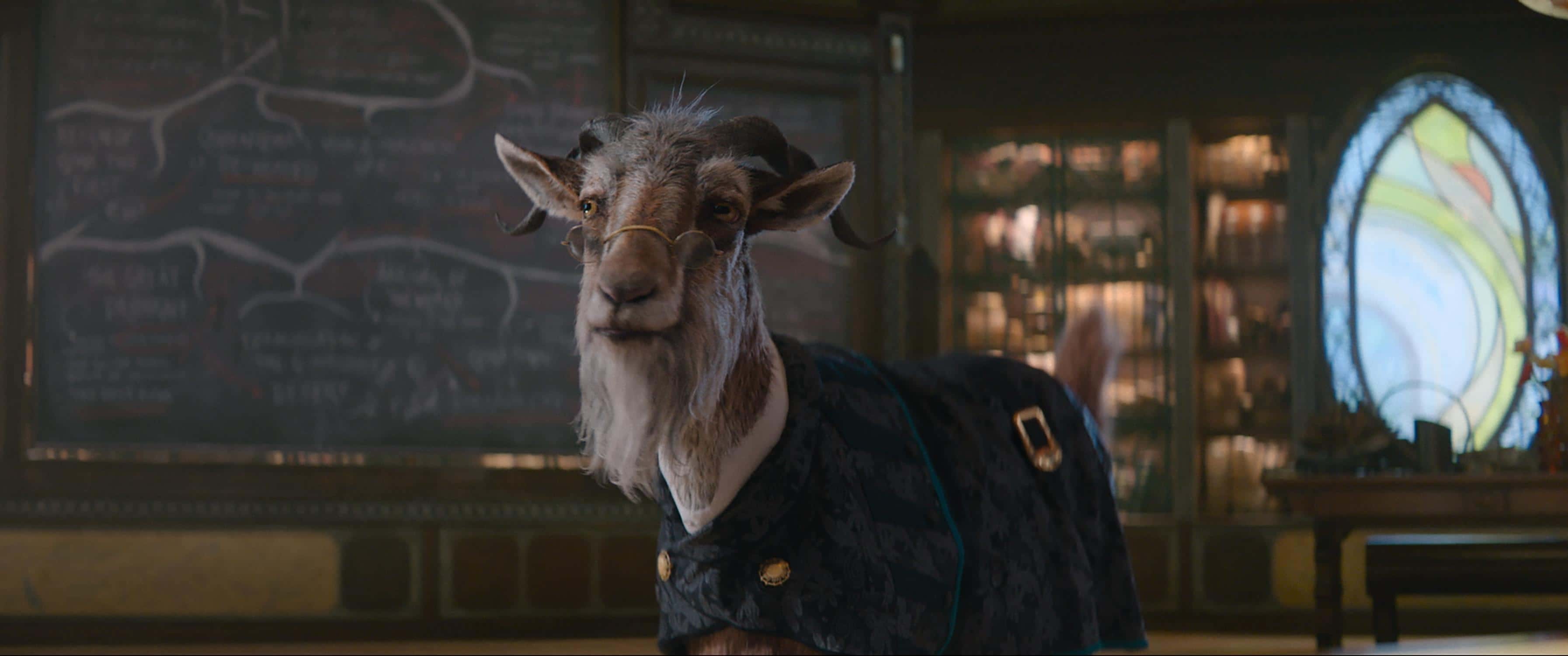
In Elphaba’s case [Spoiler Alert], wickedness was a label forced upon her. Her actions, though branded as “evil,” were often motivated by a desire to protect those close to her, including Nessarose, Dr. Dillamond, or even the lion cub.
This ambiguity teaches us and our kids to think critically about morality–that everyone is only as “bad” or as “wicked” as others proclaim them to be and it’s up to us to discern whether they are truly wicked or not. Moreover, it also reminds us that people’s choices are often shaped by their circumstances and the society they grow up in, like Elphaba, who was dismissed and discriminated against her whole life. Perhaps this upbringing has nurtured the strength she needed to ultimately stand up to those in power to defend the persecuted Animals that she can relate with. This offers valuable insights into the nature of judgment and justice.
Stay True to Yourself
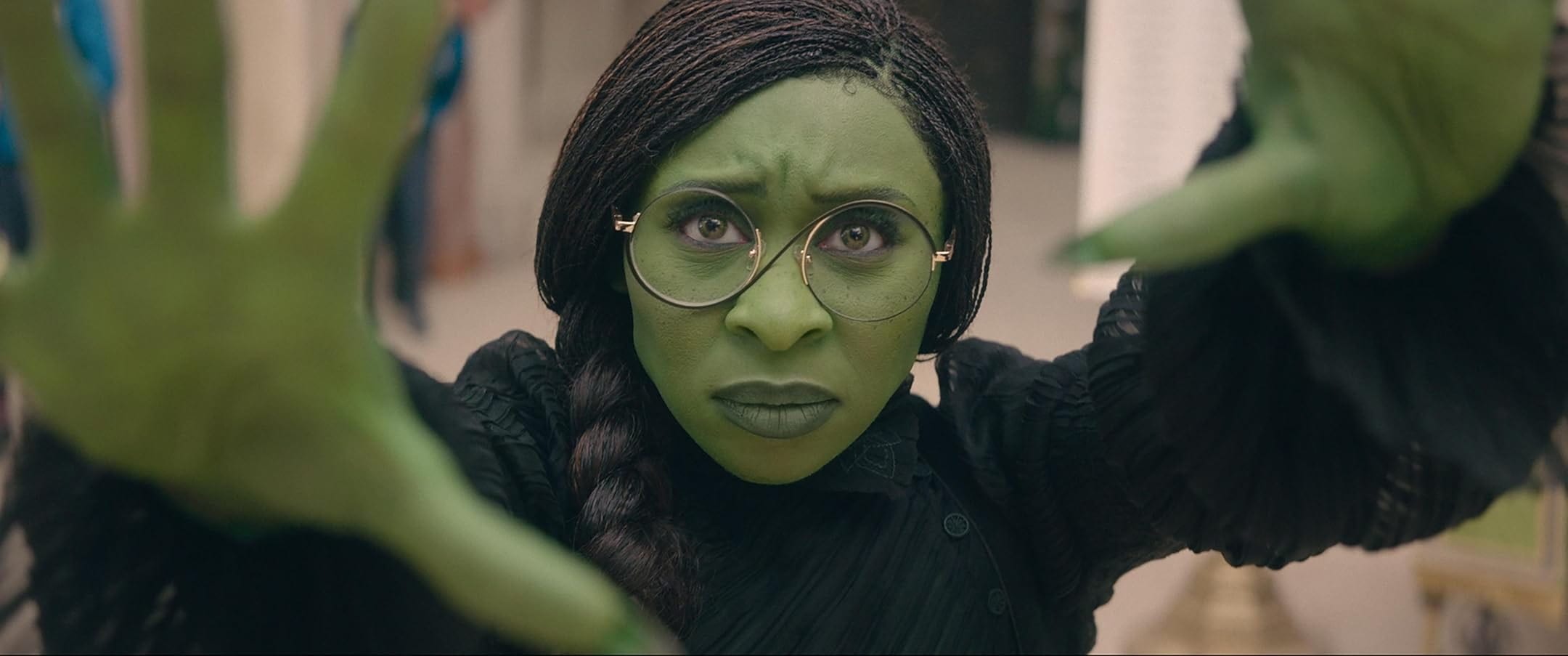
Perhaps the most important lesson from Wicked is the value of authenticity. Both Elphaba and Glinda find their own ways to embrace who they are and fight for what they believe in.
Elphaba, marginalized right from the start, discovers her strength and voice, using them to champion a cause she feels deeply about. Similarly, Glinda uses her popularity and public image to forge her own path and fight for what she believes in.
This message encourages kids to stay true to their values and beliefs, even in the face of challenges and consequences.
Ultimately, Wicked provides a good opportunity for parents to discuss complex issues like morality, empathy, and individuality to their kids. It’s nuanced themes of good and evil, niceness and wickedness, help children develop critical thinking and emotional intelligence, shaping their values as they grow. Such realizations allow children to be comfortable in their own uniqueness, have the fortitude to consider the perspectives of others, empathize with peers, and ultimately, use their power to fight for the causes they believe in.
And for one-on-one dates with your kids, the Opus Mall is a good place to go. Their VIP Cinema provides a luxurious movie experience. They also have the country’s first and only family cinema, which features colorful interiors and big couches that’s perfect for a family movie bonding experience.
Read here for a mom’s perspective on why the Barbie movie is a must-watch.
What other parents are reading

Lorem ipsum dolor sit amet, consectetur adipisicing elit, sed do eiusmod
Lorem ipsum dolor sit amet, consectetur adipisicing elit, sed do eiusmod
