
This article was updated on January 21, 2025.
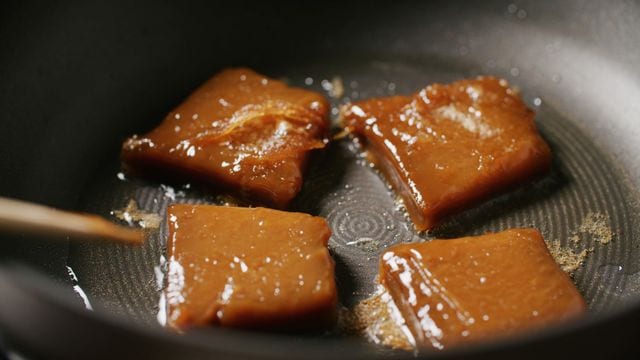
The Chinese New Year, also called Lunar New Year, falls on different date each year, but always between January 21 and February 21. One of the traditions of the Chinese is to dine together with the family to keep the familial bond intact. Here are some of the foods that are considered "lucky" to be eaten and served during this time.
10 lucky foods for your family's Chinese New Year celebration
1. Tikoy
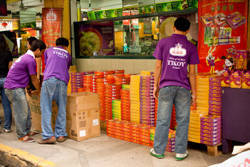
Our favorite sticky rice delicacy tops the list based on sheer popularity. As most Pinoys know, the stickiness represents the togetherness of the family and stronger bonds. Instead of the common round tikoy, try the fish-shaped tikoy, also known as prosperity fish, as fish symbolize prosperity in the Chinese culture.
Here are places where you can buy tikoy.
Photography by Rocel Ann Gonzales Junio
2. Prawns
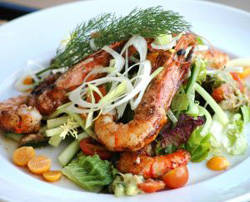
Whether fried or steamed, served as part of a dish, the Chinese believe that these symbolize liveliness. These make perfect toppings for salads, sauce dishes and more.
Photo from sxc.hu
3. Dumplings

A staple Chinese favorite, dumplings, when boiled in water, represent a family’s being able to recover a long lost wish.
Photo from sxc.hu
4. Pomelos

Similar to the Western beliefs we espouse during the traditional New Year’s celebration, round fruits, particularly this citrusy variety, celebrate abundance and prosperity. It is thought that round foods, having the same shape as coins, symbolize wealth.
Photo from sxc.hu
5. Good Luck Gabi or Taro

While we Pinoys generally use these edible root crop for sinigang and other dishes, the Chinese believe that bundling several and tying them with red ribbon symbolizes good fortune. The thought is that the luck “doubles;” akin to the bundled up tubers. Take note, though, These aren't meant for eating! They're more for decorative / lucky charm-type purposes.
Photography by Rocel Ann Gonzales Junio
6. Tangerines, Oranges, “Kiat Kiat”

Owe it to the similarity of their Chinese names’ sound to words such as “luck” and “wealth,” these fruits are believed to bring abundance and happiness.
Photo from flickr.com
7. Peanuts

Peanuts are generally believed to represent longevity or long life. Try these “Lowa Peanut” from Polland in Binondo. You can also try favorites such as the peanut-filled buchi (a sticky dessert with sesame seeds, nuts and at times with jackfruit). Peanut cookies are also a good alternative.
Photography by Rocel Ann Gonzales Junio
8. Roasted Chestnuts (Castañas)

One of the key ingredients in making nian gao or tikoy, roasted chestnuts, with their round shape also represent good luck for the Chinese New Year.
Photography by Rocel Ann Gonzales Junio
9. Ma Chang

Machang is a sticky rice dessert very much like the Pinoy suman, except it has a special pork and chicken filling, usually wrapped in pandan or bamboo leaves. Another sticky rice dessert that represents family togetherness.
10. Radish or Turnip (Daikon) Cake

Usually cut into squares and fried before serving, the radish cake is a common dessert during Chinese New Year festivals.
Photo from flickr.com
Read the dos and don'ts during Chinese New Year here.

Lorem ipsum dolor sit amet, consectetur adipisicing elit, sed do eiusmod
Lorem ipsum dolor sit amet, consectetur adipisicing elit, sed do eiusmod
