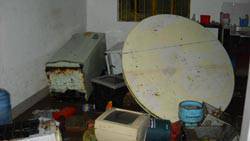
 The alarming statistics on deaths and property damages in our country, brought by Typhoons Ondoy and Pepeng in 2009, were something everyone had not expected. But have you really learned well from these tragedies? Or are you still clueless on what to do ahead of time, before another calamity strikes? Most disaster experts say the first key to surviving calamities is clear-headedness, and the other key is proper preparation.
Now, to help you out in terms of preparing the house before typhoons strike your home again, you may want to take a look at these tried and tested tips on house preparation.
Do Some Advanced Fixing
Check your home for any broken windows, doors, or leaky roofs. If you can already fix it, go ahead. If not, find experts who can do some repairs at home. Be aware of stuff in your balcony or backyard, and other detachable accessories outside your house that could be blown away easily by the strong winds. These items may not only hurt you, but could also hurt other people and damage their houses once they get caught by strong winds. If ever you receive a storm alert in your area, try taping your glass windows to prevent breakage, in cases when road signs or trees may hit your home and to ensure that your house is sturdy enough to stand the test of storms.
Elevate Your Appliances (Or Have A Quick Process To Do So)
If you live in a place where there’s a history of flooding, learn how to elevate your appliances to higher ground quickly, or move them away from windows, where flood waters won’t reach them easily. Doing so will save you from the troubles of getting your appliances damaged or experiencing serious electrical problems after the flood enters your home.
De-Clog Your Drainage System
Check the drainage around your house (including your roof drains), or in your community as well, and see if the drainage system is working well. If you notice that it’s clogged and within your jurisdiction, then have it cleaned up at once. You can also call the attention of your barangay captain or any local authorities in your area, if the entire neighborhood’s drainage system is clogged.
Click here for more tips on how to prepare your home for typhoons.
[previous|page|next]
Read on for more tips on how to prepare your home for typhoons.
Be Aware of What’s Happening and Cooperate with Local Government
Of course, you should also learn to listen to authorities and evacuate to safer grounds, even before the water level in your area reaches a meter high. Remember, a typhoon doesn’t develop in a single day; they develop in a period of a few days before they finally hit. Tune in to TV and radio announcements, or communicate with your local disaster coordinating council to get tips on what to do and where to go. Kagawad Pinky Gunting of Barangay Cabaroan, San Fernando City, La Union, saw the stubbornness of some locals in her area, who refused to evacuate to safety and attend meetings on disaster preparedness in their communities, thus endangering their homes and themselves. In the end, it’s better to be on the safe side. The most you lose by “over” preparedness is a little bit of your time. However, you gain invaluable safety for you and your family if you take the steps necessary to prepare ahead.
Keep in mind that from the time your area gets alerted on an approaching storm to the time it actually arrives, you can still engage the whole family in planning, preparing, and securing your home against possible damages.
For other helpful information on preparing against typhoons and other disasters, you may want to check out the following stories:
• Parent’s Guide to Safeguarding Important Family Documents from Potential Disasters Like Fires and Floods
• Survival Guide: What to do In a Flood
• Typhoon Preparation and Checklist
The author writes from experience, after just having survived Typhoon Pepeng, which surprisingly flooded their once-safe neighborhood in La Union.
Photo Courtesy: A Victim’s Flooded House by Manuel Co

Lorem ipsum dolor sit amet, consectetur adipisicing elit, sed do eiusmod
Lorem ipsum dolor sit amet, consectetur adipisicing elit, sed do eiusmod