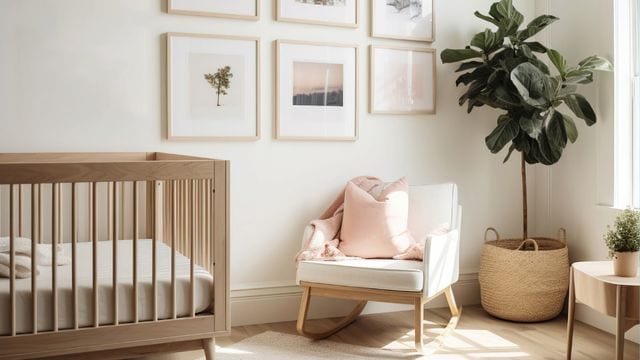
Welcoming a new family member doesn't always mean buying tons of new furniture or having a dedicated nursery. For parents living in tight spaces—or those who don't want to set up a full-blown baby room—there's still a way to carve out a cozy, practical space for your little one. Experts say the key lies in choosing hardworking pieces that work with your home and your lifestyle.
Today's parents are lucky to be raising kids at a time when baby furniture has evolved into versatile, compact, and functional pieces that consider space limitations and budget constraints. So even if all you've got is a corner of your bedroom for your baby, here's some expert advice on how to make it work—and make it beautiful.
How to make a cozy corner for your baby at home
Smart Parenting caught up with interior designer and mom of one Martina Bautista at a recent event. She generously shared her tips on choosing thoughtful, hardworking, and chic pieces for your baby's space—no matter how big or small it is.
1. Don't feel pressured.
For first-time parents, the nursery can feel like a big project. Reading articles and watching nursery tours of celebrity parents might be overwhelming. It's every parent's dream, but it's not for everyone. Take it from second-time parents (like me) and design experts: your baby doesn't need much space. Truth be told, they’ll likely spend more time with you than in their crib.
A better approach is to imagine your daily routine and how to make essentials accessible and your baby safe. That's where thoughtful design starts.
2. Start with the essentials.
What does your baby really need? A safe place to sleep, a compact storage for their clothes and daily items, and an area for diaper changes.
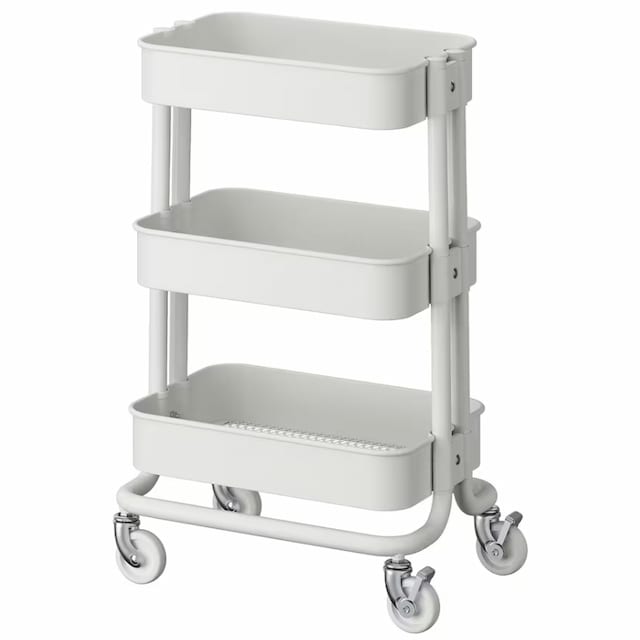
A movable utility cart is a great buy as it keeps essentials within reach. IKEA's RÅSKOG utility cart can be used in the toy room or kitchen when the baby no longer needs it.
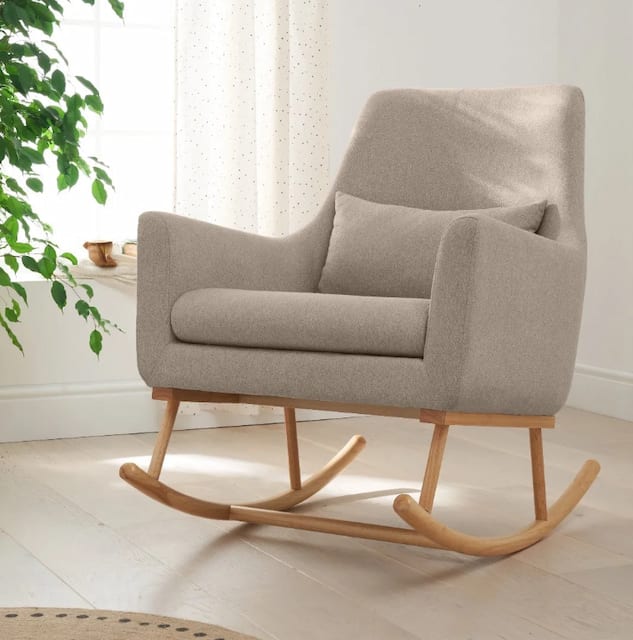
A cozy nursing chair can be a lifesaver if you plan to breastfeed and there's still space in your room. This Oscar Breastfeeding Rocking Chair from Tutti Bambini looks like a dream.
If not, a Nursing Pillow from Coco Lala works just as well.
Additionally, read about the nursery design trends that might pose more harm than good to your baby here.
3. Choose pieces that are durable and easy to clean.
Babies are adorable, yes. But caring for them is already a handful, so your furniture should be able to keep up. Martina stresses, "If you're putting anything in the nursery, ask yourself: is it durable? Is it easy to clean? Is it going to last long? Try to look for more hardworking pieces that will double in the future as something else." A dresser that doubles as a changing table or a crib that converts into a toddler bed is a wise investment.
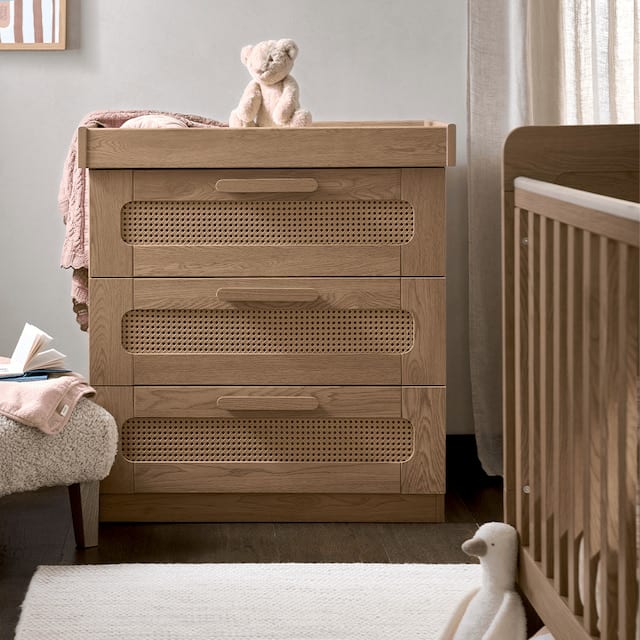
Mamas & Papas Esna Dresser Changer
For instance, the Esna Cotbed from Mamas & Papas offers three adjustable base heights, allowing it to grow with your child.
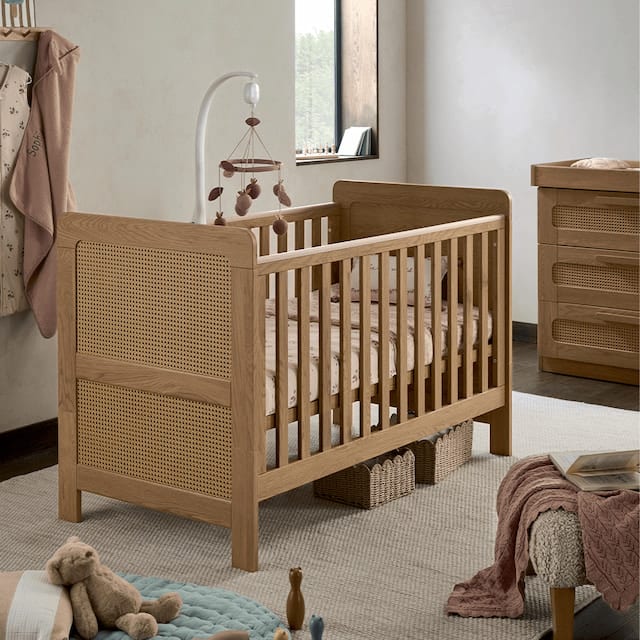
Mamas & Papas Esna Cotbed that converts into a toddler bed
When your child gets bigger (and I tell you, it happens fast), you can turn this crib into this:
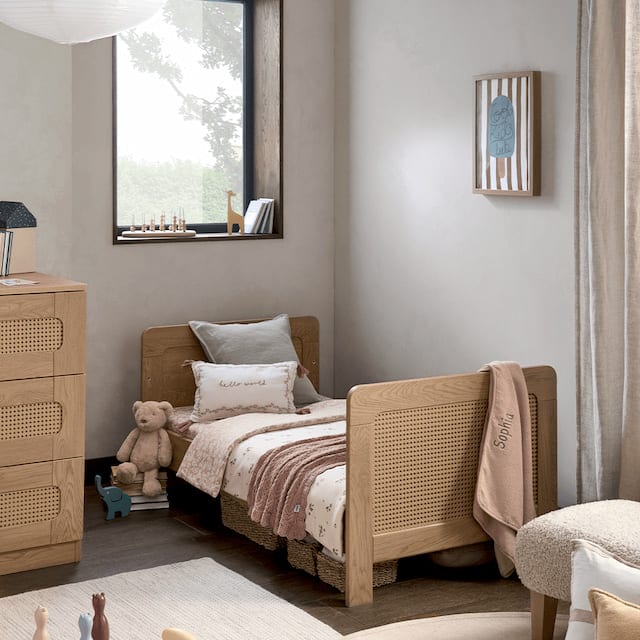
Value for money: check! Aesthetic: check!
4. Opt for furniture that blends in.
Your baby's furniture doesn't have to scream "nursery." Choose pieces that naturally fit your home's style. If your interiors lean toward neutral tones, warm oak or natural wood finishes work beautifully. Martina advises going for items that have longevity in terms of style—classics always win over trends.
Martina adds, "So if your child grows older and then all of a sudden wants to put decals on the wall, parang it's not like you chose a hot pink set na biglang hindi bumagay. At least this way, when your pieces are more natural or white, it grows with you."
Adding textiles, such as a rug, throw, or soft baby blanket, elevates the space without occupying extra room. Good lighting also makes a huge difference. You can also maximize your vertical space. Think shelves for the storage of toys and stock. And remember: your space should reflect you. In reality, the baby wouldn't mind, but trust us, you'll appreciate the comfort.
5. Be intentional when shopping for baby items.
A mom once shared with The Bump that she only bought what made sense for her home and lifestyle. Ask yourself: "Do I really need a wipe warmer? Is there even an outlet near the changing station?" If you have a two-story home, you may want to consider placing a second diaper caddy on the ground floor if there is no changing table available.
Have a checklist to keep things practical, and set up a gift registry if you plan to have a baby shower. This way, you will receive things you'll use, and not be overwhelmed with so many clothes, toys, or baby gear you don't need.
Designing your baby's corner doesn't have to be stressful and expensive. Cal Tavera, a mom and interior stylist, advises sticking to the theme and buying what you think is necessary for you and your baby. Most importantly, she says, "Have fun like I did!"
Ultimately, your baby's corner doesn't have to be Instagrammable or Pinterest-perfect to be special. What's important is that you and your baby feel safe, supported, and loved in your home.
Read about how I saved more than P70,000 by reusing baby gear here.
More from sp

Lorem ipsum dolor sit amet, consectetur adipisicing elit, sed do eiusmod
Lorem ipsum dolor sit amet, consectetur adipisicing elit, sed do eiusmod