
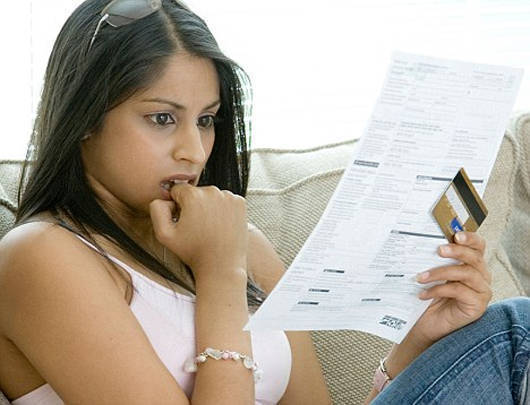
Many times it might seem that you’re working very hard… to pay your credit card bills. Financial experts tell you how to have control over your credit card.
1. “When is it better to use my credit card than to use cash?
”According to Rose Fres Fausto, former investment banker, Philstar.com financial columnist, and mom of three, there are three instances when using a credit card is better than using cash:
1. The card and cash prices are the same. Be careful when establishments say there’s no surcharge on the credit-card price. Ask if there is a cash discount. If the answer is yes, the establishment is just playing with words.
2. When carrying a huge amount of cash is not deemed safe
3. When you can invest the amount and earn from it (or “float”).
Reynold Gan, unit head of RGAN Financial Planning Group (affiliated with Philamlife and Philam Asset Management Company), agrees with Fausto. “Credit card use offers convenience especially when buying major items such as appliances and booking online tickets. Cash is better when merchants offer big cash discounts.”
Fausto cautions that only responsible spenders should use a credit card. “Cash is still better because of the psychology behind it: We feel the ‘pain’ more when we part with our cash than when we swipe our credit card.”
Related story: 5 Money Mindsets that Keep you in Lack
2. “How can I control impulse spending?
”Gan offers a great rule of thumb: “Use the two-week rule. Delay the purchase for two weeks. If, after two weeks, you still want to buy the item, then go ahead. However, make sure you have enough funds to pay the credit card balance. Never resort to the ‘bahala na’ mentality. Keep a handy record of your cash flow so you could easily check if you could fund a purchase.”
“Don’t go to sale events—avoid them like the plague!” Fausto advises. “If you tend to spend beyond your means, use cash for your expenses. Once you’ve taken control of your spending habits, then you can entertain the idea of using that mighty plastic again.”
[previous|page|next]
3. “When is it better to take out a loan than to use a credit card?”
“A loan and a credit card are both credit facilities. They are tools for borrowing, allowing someone to spend the money he doesn’t yet own,” explains Fausto.
A loan is more purpose-specific. There are housing loans, car loans, etc. It is approved based on its purpose and the borrower’s paying power. “These purchases are usually well thought of,” she says.
Related story: 14 Money Problems of Couples and How to Deal with them
On the other hand, credit-card purchases are approved without any purpose specified. “Before, ITRs (income tax returns) were required prior to getting a credit card. Now that it is no longer required, a credit card could fall into the hands of someone who’s unfit to carry one,” she laments. “The interest rate is usually a hefty 36 percent per annum. Plus, penalty fees could pile up, so paying only the minimum balance can bring you to debt levels of six figures or more.”
“Credit cards work best for tracking regular expenses such as fuel or groceries—the card statement serves as a record of your spending,” says Gan. He cautions, “[Credit cards can be] dangerous. Even if you use a personal loan to pay off an outstanding credit-card debt, without the discipline to curb impulse spending, you may find yourself with a personal loan and a mountain of credit-card debt.”
4. “Is it okay to own more than one credit card?”
According to Gan, there are two primary reasons when having more than one credit card is advisable:
1. You take advantage of promos and incentives when the company ties up with a merchant, and
2. You have a back-up card when another card fails for any reason. The disadvantage is having to pay more than one annual fee. Gan warns, “The temptation to do balance transfers to free up more credit limit is like burying oneself in more debt.”
Fausto adds, “Getting a second or third card because you maxed out the credit limit on your first one is a no-no. If this happens, you really have to do something drastic to curb your spending habits.”
5. “Is it ideal to have a high credit limit? I hear it’s good for my credit rating.”
“Having a good credit rating means having a record of timely payment of loans and no past dues,” says Fausto. “Banks and other creditors or lenders gather information to check your credit-worthiness. Your paying record is what counts more, not your credit limit.” Gan adds, “Earning a higher credit limit is a sign that the credit-card company trusts your ability to manage it based on your current income capacity.” Your credit rating indicates how much risk a bank will take based on your paying capacity. If you always reach your maximum credit limit, this would have a negative effect on your credit rating.
Next: 10 Apps that Help Keep your Spending on Track
Image from dailymail.co.uk

Lorem ipsum dolor sit amet, consectetur adipisicing elit, sed do eiusmod
Lorem ipsum dolor sit amet, consectetur adipisicing elit, sed do eiusmod
