
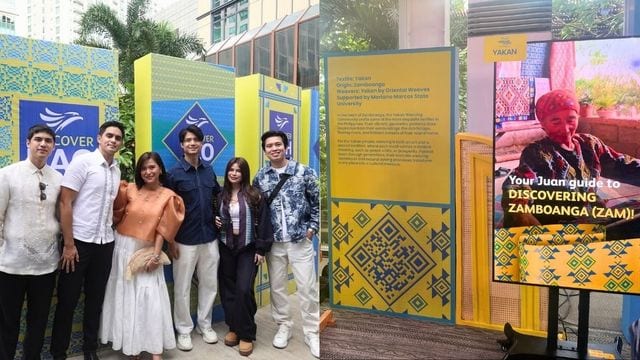
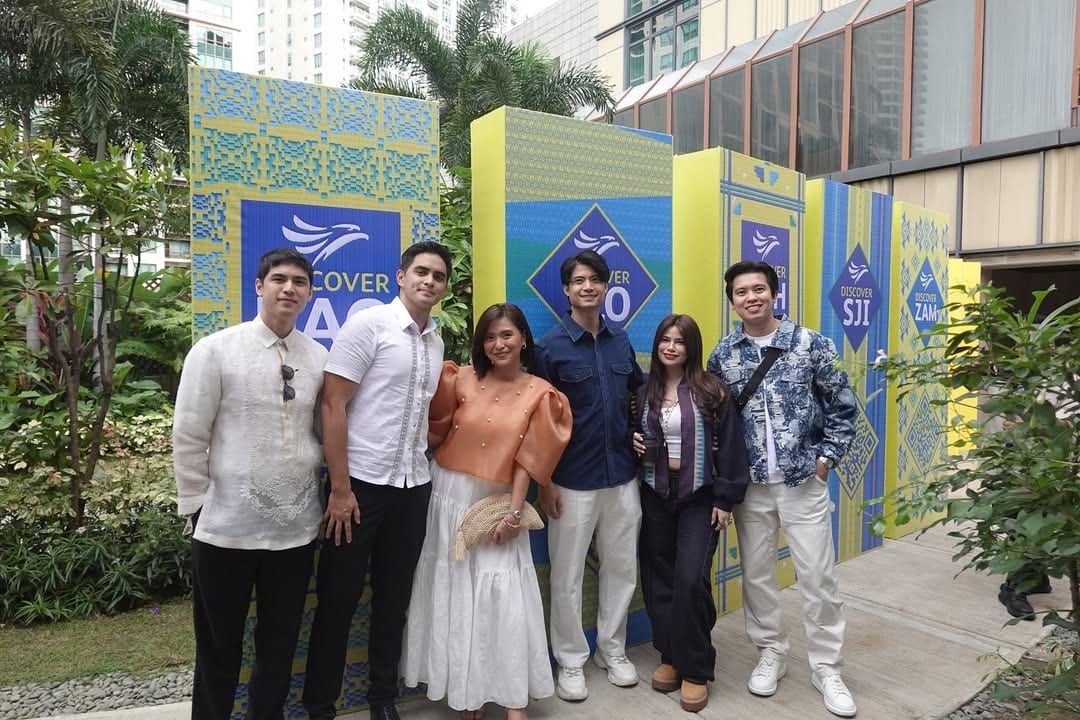
As part of its domestic campaign, leading carrier Cebu Pacific is showcasing Philippine textiles and traditional weaves through QR Flight Codes placed at major thoroughfares and airports across the country.
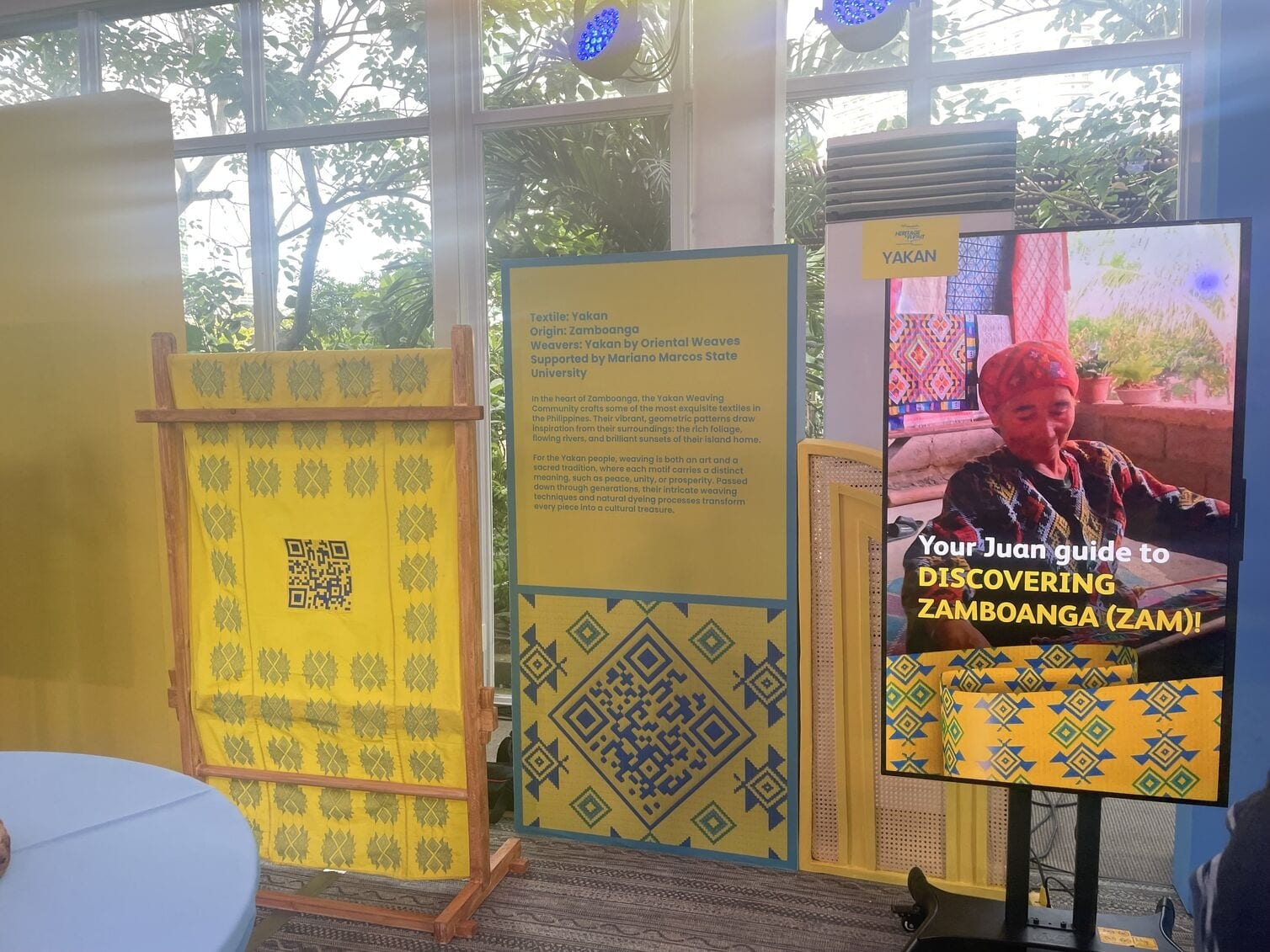
The QR codes highlight five distinct weaving styles: the intricate, nature-inspired patterns of Ilocos Norte's Binakol; the elegant stripes of Occidental Mindoro's Ramit; the bright hues and plaid designs of Iloilo's Hablon; the bold, checkered patterns of Antique's Patadyong; and the striking geometric and vibrant colors of Zamboanga’s Yakan.
Heritage in Flight
Cebu Pacific held the ‘Heritage in Flight’ event on January 8, 2025, at the Balmori Tent in Rockwell, Makati City. The event highlighted the importance of tourism and Filipino cultural heritage.
Department of Tourism (DOT) Secretary Christina Garcia Frasco attended and praised Cebu Pacific's initiative to promote the nation's rich tradition of weaving. She emphasized the significance of these efforts in preserving Filipino identity and creating economic opportunities for local communities.
The occasion is also celebrated during Philippine Tropical Fabrics (PTF) Month, which takes place every January to promote natural textiles, support local industries, and create livelihood opportunities.
Cebu Pacific has partnered with the Department of Science and Technology–Philippine Textile Research Institute (DOST-PTRI) for this domestic campaign.
"We take pride in honoring the rich tapestry of our nation's cultural heritage," said Candice Iyog, Cebu Pacific's Chief Marketing and Customer Experience Officer.
"Using our platform for inclusive and sustainable growth, we celebrate the artistry of our local weaving communities, ensuring their timeless traditions are preserved and appreciated by every Filipino." Julius Leaño, Director of the PTRI, expressed his enthusiasm about the collaboration, noting that it helps bring weavers' stories to a broader audience.
"The convergence of our weavers with yet another window for a wider market brings with it the narrative of their communities, their dreams, and aspirations," Leaño added.
"Tourism can be further enriched by not just showcasing beautiful sceneries but also highlighting our weavers' creativity and ingenuity." Leaño also pointed out that the partnership also focuses on incorporating science, technology, and innovation.
He highlighted the PTRI's DigiTELAzation program, which uses data analytics, IoT, robotics, and AI to enhance the productivity of local handloom weaving and other textile industries.
In addition, Cebu Pacific collaborated with local weaving communities to ensure the history and significance of each fabric are preserved. These partnerships include the Paoay Weavers of Ilocos Norte, supported by Mariano Marcos State University (MMSU); the Hanunuo Mangyan of Occidental Mindoro, supported by the Awati Ti Kape Community Development Program; the Baraclayan Weavers Association of Iloilo; the Patnongon Multipurpose Cooperative and Bagtason Loom Weavers Association of Antique; and the Yakan Weavers of Zamboanga, supported by MMSU.
"Every weave is a community's cultural fingerprint with a story to tell, just as every destination has a unique experience," said Iyog. "We encourage every Juan to scan the QR flight codes to explore more of the Philippines and learn about our rich culture and heritage."
The event was made livelier thanks to the several celebrities and influencers who were present. Among the notable attendees were Juancho Triviño, Joyce Pring, Mikael Daez, Denise Laurel, and Kimpoy Feliciano.
More from sp

Lorem ipsum dolor sit amet, consectetur adipisicing elit, sed do eiusmod
Lorem ipsum dolor sit amet, consectetur adipisicing elit, sed do eiusmod
