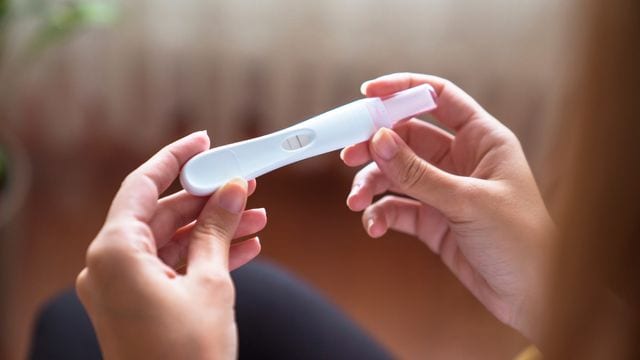
Childhood pregnancy has become a pressing crisis in the Philippines that requires urgent attention. In an ambush interview by GMA News, Health Secretary Ted Herbosa raised the alarm, emphasizing the "very high incidence" of childhood pregnancy in the country and citing data from the Philippine Statistics Authority (PSA).
Herbosa stated that "teenage pregnancy" for individuals aged 15 and younger should be classified as "childhood pregnancy" and is considered "unplanned." According to data from 2022, there were 59 pregnancies per 100,000 children under 15 years old.
"We have a big problem with teenage pregnancy. Number one, ‘yan ang nagko-contribute sa maternal mortality kasi hindi sila nagpapa-prenatal [check up]. Sila ang high-risk sa what we call eclampsia and hemorrhage at childbirth. So kung ma-control natin ‘yan, we will actually be able to decrease maternal mortality," said Herbosa.
Herbosa attributed the rising rates of childhood pregnancy to several factors, including the widespread use of the internet. "Number one, our children are already exposed to the internet. What we discovered is that internet was a big influence on sexual behavior of our teens. And then there’s peer pressure, of course." said Herbosa.
"Then the socioeconomic classes. Many in the lower socioeconomic classes, ang gusto ng iba makapag-asawa, makatakas sa poverty ang kanilang family. ‘Yan, social factors, cultural factors," he continued.
According to PSA, the number of live births from pregnancies among girls aged 14 and below surged by 35.13% from 2,320 in 2021 to 3,135 in 2022.
The Commission on Population and Development (CPD) has been calling for the Senate to prioritize the passage of the Adolescent Pregnancy Prevention Act, a measure seeking to help prevent teenage pregnancy and institutionalize social protection for adolescent parents.
Understanding the Stigma Around Adolescent Pregnancy
Health Secretary Ted Herbosa's identification of the factors behind the alarming rise in childhood pregnancies is valid; however, he overlooks an issue contributing to this troubling trend: sexual abuse.
According to recent data from the Philippine National Police (PNP), there were 18,756 reported cases of violence against children in the Philippines in 2023. Among these, child abuse represented the largest percentage, with 7,933 incidents reported. Furthermore, there were 7,262 cases of rape and 2,049 incidents of acts of lasciviousness.
While the exact number of pregnancies resulting from abuse remains unknown, it's likely that a significant portion of adolescent pregnancies may be the result of sexual abuse. This highlights a disturbing reality that is often overlooked: the tendency of people to victim-blame rather than address the root causes of these pregnancies.
Adolescent pregnancy is often met with stigma. When a group is labeled, for example, as "teen moms," they are stereotyped based on assumptions about their behavior, which often include perceptions of promiscuity or carelessness. This stigma creates a divide between "us" and "them," leading to the isolation of those who are affected.
This stigmatization is not without consequences. Studies have shown that pregnant and parenting adolescents often experience shame and guilt, which can lead to negative coping mechanisms. They may avoid attending school or medical appointments due to the fear of judgment. This isolation can have long-term consequences, affecting their overall health, education, and future.
The rising rates of childhood pregnancies, alongside the widespread issue of sexual abuse, call for more comprehensive policies and protective measures. It's essential that these issues are discussed and addressed together, as the impact of sexual violence on young girls cannot be ignored in any conversation about adolescent pregnancies.
Learn more about the complications of teen pregnancy here.
More from sp

Lorem ipsum dolor sit amet, consectetur adipisicing elit, sed do eiusmod
Lorem ipsum dolor sit amet, consectetur adipisicing elit, sed do eiusmod