
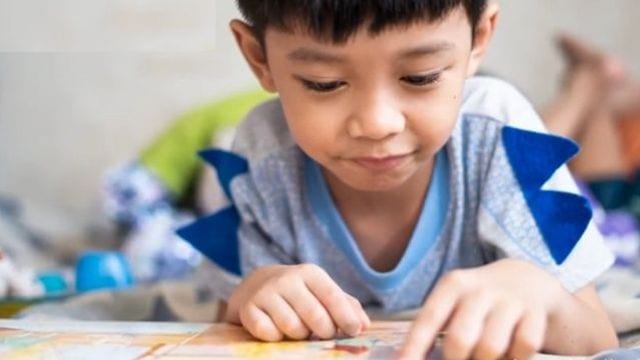
Today, Filipino parents (and research) are noticing that fewer kids are reading widely and for fun. See: the 2023 National Book Development Board (NBDB) survey, which shows that only 47% of children were reading last year. Given this, it’s no longer surprising that literacy rates in the country have also dropped. But why has it come to this? Hint: It’s not just the screens.
A Philippine Institute for Development Studies (PIDS) study highlighted that literacy in the Philippines "varies across gender, geographical location, socioeconomic status, and school attendance." For example, literacy rates range from a low of 80.4% in the Bangsamoro Autonomous Region in Muslim Mindanao (BARMM) to a high of 99.1% in the National Capital Region (NCR). Regional disparities are evident, which contributes to lower literacy rates.
"Literacy is also ultimately tied to socioeconomic status," stated PIDS, noting that children aged 10 to 17 with access to safe water and sanitation from nonpoor households have higher functional literacy rates than those without.
According to the NBDB 2023 Readership Survey, three out of 10 respondents consider books a luxury, viewing them more as gifts than something they'd regularly buy. For many, the price limit for purchasing a print, non-school book from a physical bookstore is P99 or less. Additionally, 55% of adults and 49% of children prefer borrowing books because it's free. So, while Filipinos are interested in reading, affordability and access are key factors that influence their reading habits.
That said, there's a silver lining: findings also show that media exposure can positively influence kids' literacy.
ALSO READ: 5 Ways to Make Kids Who Don't Seem to Like Books Grow Up to Love Reading
Media Exposure and Its Influence on Literacy
As expected, the PIDS found that media exposure also influences literacy outcomes. Children who read newspapers, magazines, or posters have higher literacy rates than those who don't, with basic literacy being 8-11 percentage points higher and functional literacy 12-14 points higher. Similarly, children who listen to the radio or watch TV and movies show higher levels of functional literacy. This proves that media exposure can be beneficial for kids' literacy development.
Media exposure—whether through reading, listening, or watching—provides children with different ways to interact with language and information, boosting their vocabulary, comprehension, and critical thinking skills. Consuming various types of media helps improve literacy by opening their minds to content that challenges their thinking and supports learning.
However, not all media exposure is equally beneficial. The quality of content matters. Educational programs, age-appropriate books, and informative shows are more likely to enhance literacy. Parents and teachers can guide children toward media that promotes learning while balancing screen time with activities like reading, socializing, and physical play.
To make the most of media exposure and its impact on literacy, it's best to:
Encourage variety
Let kids experience a mix of print and digital media, from books and articles to educational videos and interactive apps.
Set limits
While media exposure can be helpful, it's essential to keep screen time in check and encourage activities that engage their minds more deeply.
Be involved
Watching TV shows, reading articles, or listening to podcasts together can open up conversations that strengthen understanding and vocabulary.
Promote critical thinking
Help kids reflect on what they consume—whether it's discussing a book's themes or analyzing something they see on screen.
Media exposure—when used wisely and in moderation—can be a powerful tool to improve literacy. It helps children develop key reading and language skills while also preparing them for a future where digital literacy is just as important as traditional literacy.
Read the piece 'Why Filipinos Need A Guide To Raising Kids In The Digital Age' here.
More from sp

Lorem ipsum dolor sit amet, consectetur adipisicing elit, sed do eiusmod
Lorem ipsum dolor sit amet, consectetur adipisicing elit, sed do eiusmod
