Senators Push Stronger Anti-Bullying Measures, Eye Penalties for Parents of Bullies
Senators call for tougher anti-bullying measures, including possible penalties for parents of bullies.

Published on Mar 19, 2026
During a Senate hearing, lawmakers raised urgent concerns about the state of bullying in Philippine schools, pointing to underreported cases and gaps in enforcement that allow harmful behavior to continue unchecked.
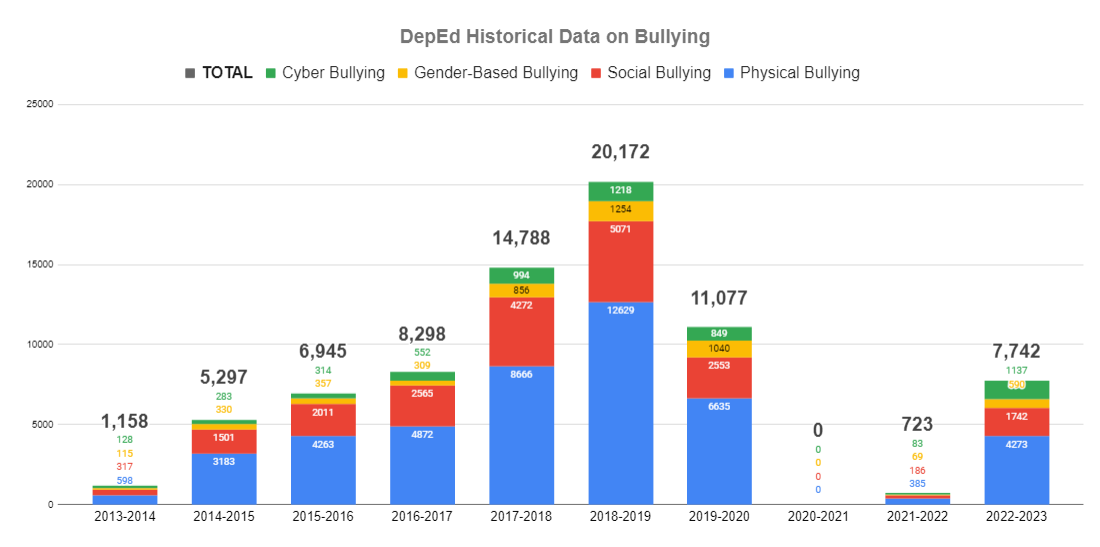
At the center of the discussion is data from the Second Congressional Commission on Education (EDCOM 2), which shows that bullying cases remain significantly underreported. The Department of Education (DepEd) also faces a severe shortage of guidance counselors in public schools, limiting support for affected students.
According to Senator Bam Aquino, who chairs the Senate Committee on Basic Education, systemic issues contribute to the lack of accurate reporting.
“In the past, schools have historically underreported incidents because monitoring and evaluation processes rewarded “zero cases” as a sign of good performance,” Aquino revealed.
He explained that when incidents are not reported, consequences for bullying do not follow.
“‘Yung pagbibigay ng penalty sa mga bully, tatlo ‘yan ‘di ba? Reprimand, suspension, expulsion. Kung underreported ‘yan, wala ring penalty sa mga nambubully. Pag ‘di siya nirereport, ‘di siya magkaka-consequence.”
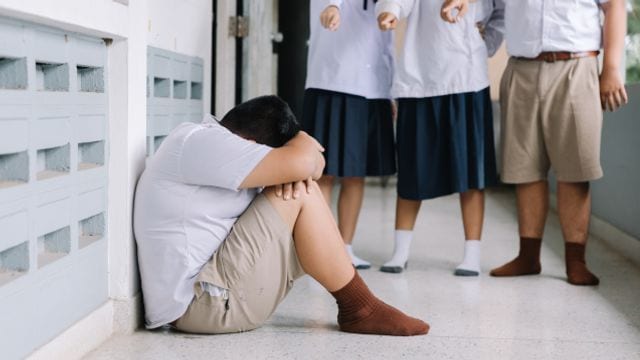
Alarming Bullying Rates in PH Schools Revealed in New Studies
“The Philippines had the highest percentage of bullying among all participating countries and territories.”
READ HERE“‘Pag ‘di siya nirereport, ‘di ka pwede magbigay ng penalty or consequence, ‘di matitigil... Ang worry ko is ‘yung mga nambubully wala talaga silang nakikitang consequence sa ginagawa nila” he added.
Aquino stressed that prevention should be a priority, not just punishment.
“How do we go from being the bullying capital to having a zero-bullying policy? Unang-una, ‘yung preventive—mahalaga ‘yan. Dapat alam ng mga tao na hindi dapat ito ginagawa,” Aquino said.
He also raised the idea of increasing parental accountability when children engage in bullying.
“And then ‘yung parents, the parents need to be involved here. May nag-suggest online na baka raw ‘yung magulang kailangan din ipenalize kapag ‘yung mga anak bully,” he said.
Senator Raffy Tulfo supported this proposal and suggested community service as a possible consequence for parents.
“Tama ka, Mr. Chair, dapat may parusa sa mga magulang. When I say parusa, siguro community service. Tapos ikaw maging janitor sa school,” Tulfo said.
A growing crisis in schools
Lawmakers described bullying in the Philippines as a growing crisis, affecting both physical spaces and online environments. Aquino reiterated findings that the country has been labeled the “bullying capital of the world,” based on global education studies.
“Mayroon pong krisis sa pambu-bully sa ilang mga eskuwelahan sa ating bansa,” he said.
Recent data underscores the severity of the issue. The Southeast Asia Primary Learning Metrics report shows that about half of Grade 5 students in the Philippines experience bullying at least once a month.
Meanwhile, the Programme for International Student Assessment (PISA) reports that one in three Filipino students experience bullying, with repeated incidents affecting 43% of girls and 53% of boys.
“The bullying we are seeing is not just physical, or shaming someone face to face. It also includes online bullying, or in social media. The bullying does not stop in the school, and many young people feel they have no one to turn to,” Aquino said.
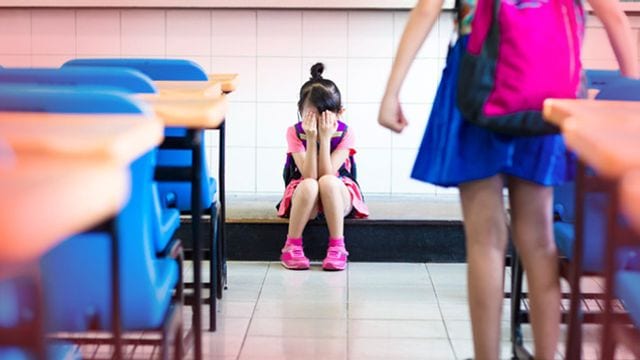
How Bullying Affects Academic Performance and What Parents Can Do
Bullying requires a "whole-of-society response," says DepEd.
READ HEREThe Senate hearing also examined how schools, which are meant to nurture learning and development, can become unsafe environments for many students.
“We called this hearing because of the rising concern that our schools and public places are becoming havens for bullying. Instead of nurturing, learning, innovation and empathy, our schools are becoming spaces for fear,” Aquino stressed.
He added that bullying contributes to long-term consequences, including lower literacy levels, poor academic performance, and increased absenteeism.
“When our children are bullied, we are forming a generation steeped in trauma. Instead of embracing education, the youth are scared of the very spaces for learning,” Aquino stressed.
Calls for proactive action
Lawmakers also criticized the current response to bullying as reactive rather than preventive.
Senator Erwin Tulfo urged schools and government agencies to act immediately when incidents occur, instead of waiting for formal complaints.
“That’s our problem, we are reactionary. What do you do when you find out that a child has been bullied in a certain school? Do you call the parents? We rely on you to implement the law, execute it, but what’s happening?” Tulfo asked.
He pointed out that in other countries, schools immediately notify parents of both the bully and the victim.
“Why don’t you immediately call the parents to inform them? That’s what is being done in other countries—they immediately call the attention of the parents of the bully and the bullied to warn them of the penalties,” he added.
Tulfo also noted that under the Implementing Rules and Regulations of the Anti-Bullying Law, a formal complaint is often required before an investigation begins. This requirement can delay intervention and allow harmful behavior to continue.
Education officials clarified that reports from bystanders are recognized and that teachers can begin preliminary fact-finding even without a formal complaint. Still, senators emphasized the need to revisit Republic Act No. 10627 or the Anti-Bullying Act of 2013 to strengthen its implementation.
“Our aim is simple yet very important: every school should be a safe space for every Filipino child,” Aquino said.
Proposed reforms to strengthen protection
To address the issue, lawmakers proposed several reforms aimed at improving prevention, reporting, and accountability.
Among the recommendations from Raffy Tulfo are stricter penalties for schools that fail to act on bullying incidents, installation of CCTV cameras, and mandatory training for teachers and parents. He also suggested online seminars for overseas Filipino worker parents to ensure their involvement.
Other proposals include mandatory counseling and psychological support for students, strengthening Good Manners and Right Conduct (GMRC) programs, and increasing school security through coordination between DepEd and the Department of the Interior and Local Government.
An anonymous reporting system is also being pushed to encourage more students to come forward without fear of retaliation.
Lawmakers agree that addressing bullying requires a coordinated effort across schools, families, and government agencies. With cases continuing to rise and many incidents still going unreported, senators stress that reforms must move quickly. Schools must return to being safe spaces where students can thrive without fear.
Hanna is a News Desk Writer at Smart Parenting, covering parenting, health, culture, and more. Off the clock, she’s likely people-watching at a café or park, matcha latte in hand.