
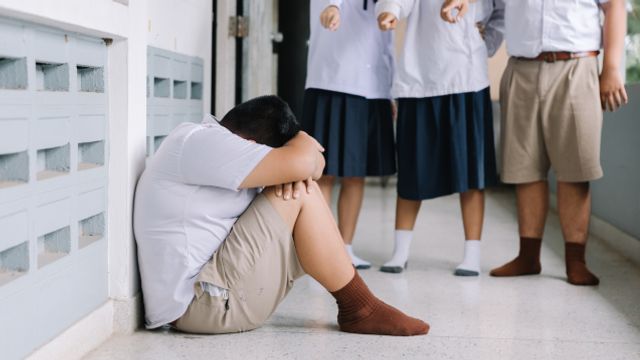
Bullying cases in Philippine public schools have increased, as revealed by several studies released during EDCOM 2's meeting at the University of the Philippines-BGC Campus last June 13, 2024.
EDCOM 2 Sub-committee's Meeting on Bullying and Home & School Environment
Second Congressional Commission on Education (EDCOM 2) convened a meeting on "Basic Education on Bullying and Home & School Environment." In the meeting, a series of studies titled "Understanding Bullying in Philippine Education: Impacts and Opportunities for Change" was presented.
EDCOM 2 emphasized the alarming prevalence of bullying in schools in the Philippines based on studies conducted by researchers from De La Salle University (DLSU), led by Dr. Allan B.I. Bernardo, a distinguished university professor and fellow.
"One of the most striking findings in the Program for International Student Assessment (PISA) 2018 results was that the Philippines had the highest percentage of bullying among all participating countries and territories," said Bernardo.
The professor continued, "This trend was also observed in the PISA 2022 assessment, although the percentage was lower in this round of assessment (OECD 2023)."
ALSO READ: What Are The Causes of Bullying?
One in Three Filipino Students Suffers from Bullying
According to the PISA 2018 results, 65% of Filipino students are reportedly victims of bullying a few times a month, with 40% bullied frequently (once a week or more).
On the other hand, the PISA 2022 report states that one out of three Filipino students suffer from various types of bullying, such as physical and verbal abuse and cyberbullying, in schools.
The data indicates that approximately 43% of girls and 53% of boys in the country experience multiple bullying a few times a month. This percentage is higher than the Organisation for Economic Co-operation and Development (OECD) average, which reports that 20% of girls and 21% of boys experience similar incidents.
Furthermore, the DLSU study highlighted how the school structure and environment, and the level of support kids receive from adults, can predict exposure to bullying among students.
RELATED: Filipino Students Lag Behind In Creative Thinking—New OECD Study
Bullying Hotspots in the Philippines
According to Nob et al., bullying is prevalent in public schools with large class sizes, discriminatory teacher behavior, and lower levels of competition and discipline. Bullying is also more common among students from lower socioeconomic backgrounds.
A digital visualization tool was developed to map bullying hotspots in the country, which used data from the 2019 PISA report. According to Cordel et al., Regions XIII and IV-B MIMAROPA had the highest incidence of bullying, followed by Regions XII, V, and I.
Furthermore, the study by Baloloy et al. showed that Filipino individuals who experience bullying encounter mental health challenges, including depression and anxiety.
Additional factors that contribute to bullying include psychosocial issues and the individual's environment, such as school safety, parental relationships, and prevailing attitudes toward bullying.
Bullying Cases in the Philippines, According to DepEd
According to the Learner Rights and Protection Office (LRPO) of the Department of Education (DepEd), a total of 7,742 cases of bullying were reported in the 2022-2023 school year, as of June 10, 2024.
Despite the passing of the Anti-Bullying Law in 2013, there was a significant increase in reported bullying cases based on DepEd's data. The cases rose from 1,158 to 20,172 in the span of five years (2013 to 2018), as noted by EDCOM 2.
When questioned about the discrepancies in the data from DepEd and the actions taken by the agency in response to the law's passing, Revsee Escobedo, DepEd Undersecretary for Governance and Field Operations, explained that annual reports are compiled at the Central Office from divisions, but these reports remain "unverified."
Usec. Escobedo also clarified that the responsibility of monitoring bullying cases has been passed between different units in DepEd over the years. In addition, he pointed out that not all Child Protection Committees (CPCs) in schools were functional due to lack of personnel.
School-wide Anti-bullying Solutions
In presenting a summary of the research, Bernardo highlighted the need for school-wide anti-bullying strategies, which involve raising awareness among students, parents, teachers, schools, and the community.
"Bullying is a continuum; every point of the continuum should be addressed... We need to look at it as sustaining and supporting the whole school environment," said Bernardo.
He emphasized the necessity of implementing programs that cover education, prevention, and addressing the effects of bullying on victims, perpetrators, and witnesses.
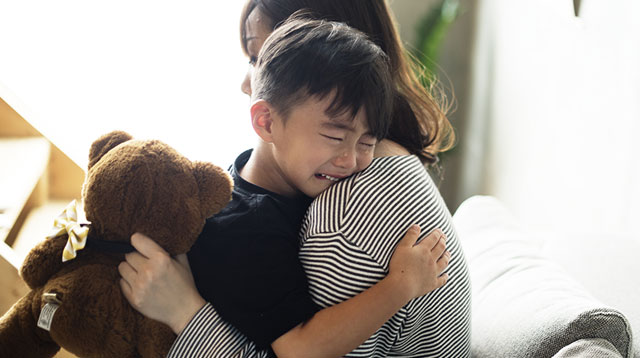
How Parents Can Help Protect Children from Bullying
Parents play a crucial role in preventing bullying in schools. They can act as a strong support system for their children and help promote a culture of kindness through the following measures:
Open communication channels
Create a safe space for your child where they can talk to you about anything without fear of judgment; this is crucial if they are being bullied or witnessing bullying. Moreover, make it a habit to talk to your child about their day at school. Ask open-ended questions to encourage them to share their experiences, both positive and negative.
Empowering children
Help your child understand the impact of their words and actions on others. Encourage them to be kind and inclusive. You can also teach your child assertive communication techniques. Help them navigate disagreements peacefully and stand up for themselves without resorting to aggression.
Working with your child's school
Familiarize yourself with the school's anti-bullying policies and reporting procedures. More importantly, maintain open communication with teachers and school counselors. Get involved in school-organized anti-bullying efforts.
Teach your child to stand up to bullies
Parents should teach their children to be upstanders rather than passive bystanders. Being an upstander means taking positive action when they see someone, whether a friend or another student, being bullied.
As the data above shows, bullying often goes unreported. Children need to understand that they have the power to speak up and report what they see. While adults may naturally think to inform authorities, this isn't always obvious to children. That's why it's important to guide and remind them.
Ask your child how they would feel if someone stood up for them while they were being bullied. This helps them understand how much of a difference one person can make and why it's important to act when others need help.
Practice what you preach
Model respectful behavior in your interactions with others, both online and offline. Children learn by observing their parents. Refrain from negative talk about others, especially in your child's presence. This can send a mixed message about kindness and respect.
Read here to know more about bullying and tips on how to prevent it from happening to your child.
What other parents are reading

Lorem ipsum dolor sit amet, consectetur adipisicing elit, sed do eiusmod
Lorem ipsum dolor sit amet, consectetur adipisicing elit, sed do eiusmod
