
Lastly, collaboration with parents and school staff is much needed in tackling bullying. Teachers can work closely with parents to ensure that students receive the support they need, both in and out of the classroom.
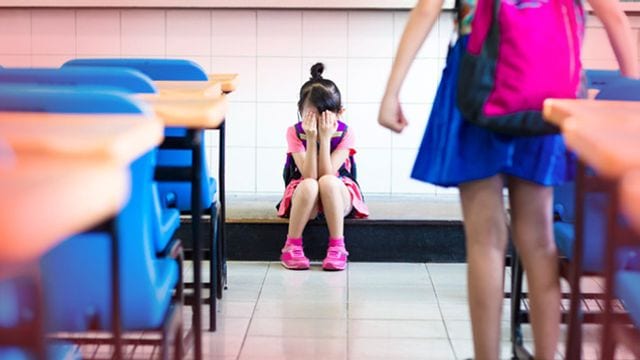
PHOTO BYiStock
Bullying is something too many students face, and often, they don't know how to handle it. There's no textbook for dealing with bullies, and even when resources exist, most aren't tested for effectiveness. This leaves children to navigate it on their own while trying to fit in. Meanwhile, the effects of bullying, especially on their mental health and academic performance, continue to worsen.
ALSO READ: What Are The Causes of Bullying?
Bullying is a National Priority Amid Rising Cases
The Department of Education (DepEd) has acknowledged the persistent issue of bullying, calling it a "national priority that needs a whole-of-government, whole-of-society response."
DepEd Secretary Sonny Angara emphasized the need for collaboration between government agencies, local communities, and parents to tackle this widespread problem during the largest Executive Committee (Execom) meeting in DepEd's history.
Data shared at the meeting revealed that the DepEd National Capital Region (NCR) recorded 2,500 cases of bullying in School Year (SY) 2024–2025, an increase from 2,268 the previous year.
Similarly, the Program for International Student Assessment (PISA) 2018 found that 65% of Filipino students report being bullied a few times a month, with 40% experiencing bullying frequently—at least once a week or more. These troubling statistics contribute to the Philippines' reputation as a "bullying capital" in the world, with some of the highest rates of bullying globally.
The Negative Effects of Bullying on Academic Performance
A study, conducted by the Philippine Institute for Development Studies (PIDS), explores the impact of bullying on academic performance. It found that physical bullying, particularly when perpetrated by adults or parents, has a clear negative effect on schooling outcomes, especially for girls. This form of bullying harms both academic performance and overall well-being.
Moreover, the 2024 study School Bullying Contributes to Lower PISA Achievement among Filipino Students: Who Gets Bullied? Why Does It Matter? presents well-documented findings on the effects of bullying on academic performance. It found that students who experience bullying tend to have poorer academic outcomes and reduced school connectedness, both of which may persist over time. Bullied students are also more likely to exhibit anti-school behaviors such as substance use, social withdrawal, and violence.
watch now
Other research using data from PISA 2018 supports these findings, showing a consistent negative association between bullying and performance in mathematics, science, and reading.
"To effectively combat bullying, we need to work not just inside the schools but also in the households and communities where our learners come from," Angara said on April 14. It is a fair point. Given how pervasive bullying is, it does not start and end in the classroom. Recognizing that bullying is a complex issue is one thing. Figuring out how to address it in real, practical ways is the bigger challenge.
What Parents Can Do to Address Bullying
In a Smart Parenting article, family psychologist Dr. Michele Alignay, also a member of the Smart Parenting Board of Experts, said the first thing parents should do when their child says they've been bullied is to be there for them.
Dr. Alignay said, "Gauge your priority—supporting your child, plus getting the needed help (therapy/family counseling) is critical at this age. Allow them to grieve, express themselves or be vulnerable to you (if needed). They do not need judgments or comments when they share what they are going through. They need emotional support and utmost understanding."
Below are more steps to remember when having a conversation about bullying with your child:
- Have a calm, supportive conversation with your child. Avoid jumping straight into what they may or may not be doing in class, as this can make them feel like they're being blamed. Instead, allow them to open up about their feelings without judgment.
- Remember, people have different levels of tolerance for emotional pain. What might seem minor or petty to you as a parent could feel overwhelming to your child. Their experience is real to them, and dismissing it can shut down future conversations.
- If possible, gently encourage them to discuss what they're going through. Give them time to share how they feel, what happened, and who was involved if they're ready. Make them feel safe and heard. When you understand their perspective, it becomes easier to determine how to support them and decide together on the next steps.
- If you notice signs of anxiety, withdrawal, or depression, don't hesitate to seek help from a counselor or therapist.
What Teachers Can Do to Help Stop Bullying
As educators, teachers play a crucial role in preventing and addressing bullying within the classroom and school environment. Below are some actions they can take:
- Set clear expectations for behavior: Teachers must establish clear guidelines for behavior in the classroom to ensure a positive learning environment. Creating a culture of respect, inclusivity, and kindness helps prevent bullying from taking root.
- Teachers should consistently model positive behavior and address any instances of teasing, exclusion, or harmful comments promptly. When students understand that bullying is not tolerated, they are more likely to embrace these values.
- Incorporate anti-bullying lessons: Teachers can integrate anti-bullying lessons into their lessons. By helping students understand the consequences of bullying and the importance of empathy, teachers can empower them to take action when they witness bullying.
- Provide a safe space for reporting bullying: Teachers should foster an environment where students feel safe and supported in reporting bullying. This could involve offering private meetings, using anonymous reporting systems, or ensuring students know they can trust and rely on their teacher. Since victims often feel afraid or ashamed to speak out, it's essential to provide a space where they feel heard and valued.
-
Immediate Measures and Policy Reforms to Combat Bullying in Philippine Schools
During DepEd's largest Executive Committee meeting, participants agreed on several immediate actions to address bullying in schools. The discussions emphasized the need for urgent, coordinated efforts between government agencies, local communities, and schools to tackle the issue effectively.
The Philippine National Police (PNP) pledged to intervene in bullying cases that violate the law. CCTV cameras will be installed, and police presence will be increased outside primary urban and high-risk schools to ensure the safety of students.
Additionally, the Department of Social Welfare and Development (DSWD) committed to investigating reported cases through its field offices and establishing a Parent Effectiveness Office to educate families and address root causes, such as domestic issues, that may influence student behavior.
These actions are part of DepEd's broader strategy to address the bullying crisis nationwide and create a safer, more supportive environment for students.
Click here for more advice on how to address bullying from parents and teachers.
More from sp

lorem ipsum
Lorem ipsum dolor sit amet, consectetur adipisicing elit, sed do eiusmod
Lorem ipsum dolor sit amet, consectetur adipisicing elit, sed do eiusmod
Read more
lorem ipsum
Lorem ipsum dolor sit amet, consectetur adipisicing elit, sed do eiusmod
Lorem ipsum dolor sit amet, consectetur adipisicing elit, sed do eiusmod
Read more
lorem ipsum
Lorem ipsum dolor sit amet, consectetur adipisicing elit, sed do eiusmod
Lorem ipsum dolor sit amet, consectetur adipisicing elit, sed do eiusmod
Read more
