
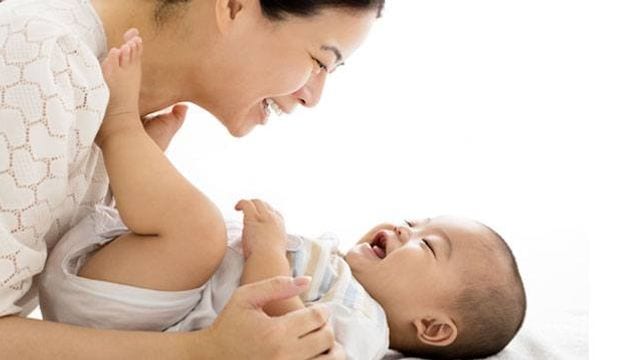
Paarawan si baby continues to be a strong Filipino tradition and a natural way to give the baby vitamin D. Lack of vitamin D can lead to rickets, which softens and weakens bones. But when you search online, many do not recommend putting the baby under direct sunlight especially babies under 6 months old, whose skin is much more sensitive and vulnerable to damage. So what to do?
Below are five things you can do to shield your little one’s skin from the sun whenever you go outside.
Keep your baby in the shade
Parents are advised to keep babies under 6 months of age away from direct sunlight as much as possible, especially during the time of day when it’s hottest (between 10 a.m. and 4 p.m.). When you do need to get out of the house when it’s hot, add shade to your baby’s stroller to keep him protected from UV rays. Note that this shade can only provide partial protection so you still need to take other measures to keep your baby safe.
In the Philippines, the “paarawan” custom happens early in the morning around 6 to 7 a.m, and it never goes beyond 30 minutes maximum. Parents seek shade and keep the baby well-bundled up to protect the skin from sunlight. They are rarely brought outside at 10 a.m.
Dress your baby in light, loose-fitting clothes
BabyCenter advises parents to cover their baby’s arms and legs in lightweight, light-colored clothes that can reflect heat and keep the baby’s skin cool. Clothes made of fabric with a tight weave are a good option since these can protect your little one’s skin better. To know if a fabric has a tight weave, hold it up to the light. The less light you see shining through it, the tighter its weave.
What other parents are reading
Give your baby a hat and shades
In addition to loose-fitting and light-colored clothes, hats are also helpful in protecting babies from the sun. Make sure to find a hat with a brim that is wide enough to shade his face as well as flaps that can protect his neck and ears. UV-protective sunglasses are another option you can try (if your tot agrees to wear them, that is).
Make sure your baby is well-hydrated
Babies need to be protected from heat because are more vulnerable to heatstroke, so keep your baby hydrated. Babies under 6 months old are only to be given breast milk or infant formula, which contains all the nutrients they need and will keep them well-hydrated.
What other parents are reading
Apply some sunscreen
Parents of babies under 6 months old are typically advised to avoid applying sunscreen on their babies’ sensitive skin, but according to the American Academy of Pediatrics (AAP), if protective clothing and shade are not available, babies within this age range may be given sunscreen on small areas of their body, such as the face, the back of the hands, and the tops of their feet. Make sure to use baby-safe sunscreen with an SPF of 30 to 50.
On the other hand, for babies ages 6 months old and above, sunscreen is to be applied to all parts of their body. Be careful about putting sunscreen on the area around his eyes; if he gets some sunscreen into his eyes, the AAP advises wiping both his hands and eyes using a clean, damp cloth.
Another important thing for parents to note is that sunscreen is to be applied to a child’s skin any time he goes outdoors. It is not only during hot, sunny days when they are at risk of being exposed to UV rays; even during cloudy days, UV rays can get through the clouds and bounce back from water and concrete. Regardless of the weather, make sure to give your child some sunscreen before you go outside.
Not all sunscreens are created equal. To learn about the different things you need to look for when purchasing sunscreen for your child, click here.
What other parents are reading

Lorem ipsum dolor sit amet, consectetur adipisicing elit, sed do eiusmod
Lorem ipsum dolor sit amet, consectetur adipisicing elit, sed do eiusmod
